<link rel="stylesheet" href="https://fonts.googleapis.com/css2?family=Material+Symbols+Outlined:opsz,wght,FILL,GRAD@20..48,100..700,0..1,-50..200" />
Program III · Big Cat

Big CatsInitiative

The Big Cats Initiative began with National Geographic in 2009. Today the Great Plains Foundation runs the program, from the savanna grasslands of the Mara to Duba’s delta floodplains.

Big Cat Archives · Guided Safaris® Research Lab

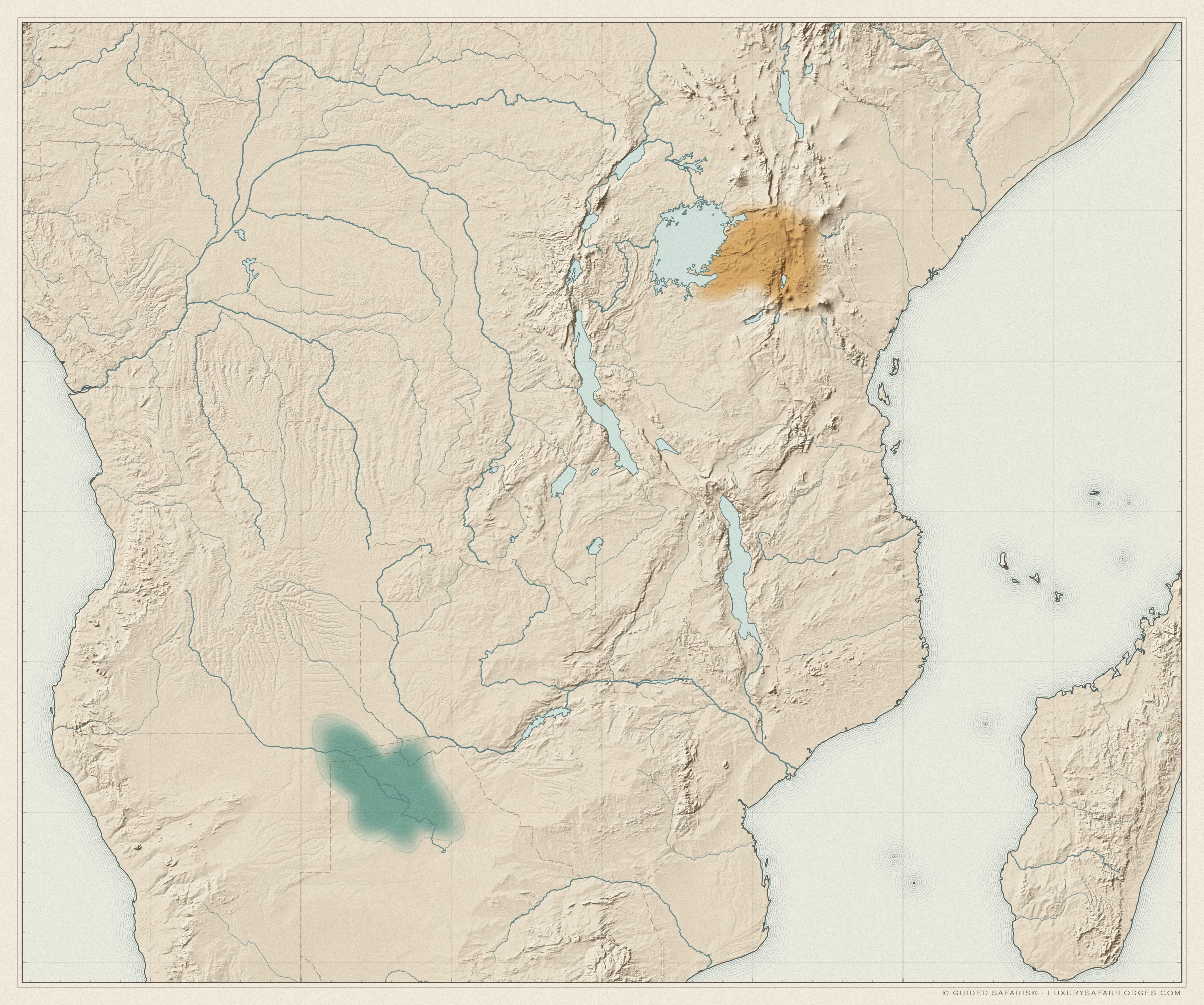
Where the cats are

2009

National Geographic

In 2009 Dereck and Beverly Joubert, then National Geographic Explorers-in-Residence, brought the National Geographic Society a challenge: protect Big Cats in the wild before it was too late. The Society co-founded the Big Cats Initiative with Dereck and Beverly that year, and the Jouberts announced the program on the Today Show in October 2009.

For 13 years the Big Cats Initiative funded field projects designed and run by people living among Lions, Leopards and Cheetahs. Dereck Joubert writes that a study commissioned through the program, showing where Lions had been 15, 10 and 5 years before and where those trends would take them, became the blueprint for Great Plains Conservation.

2022

Great Plains

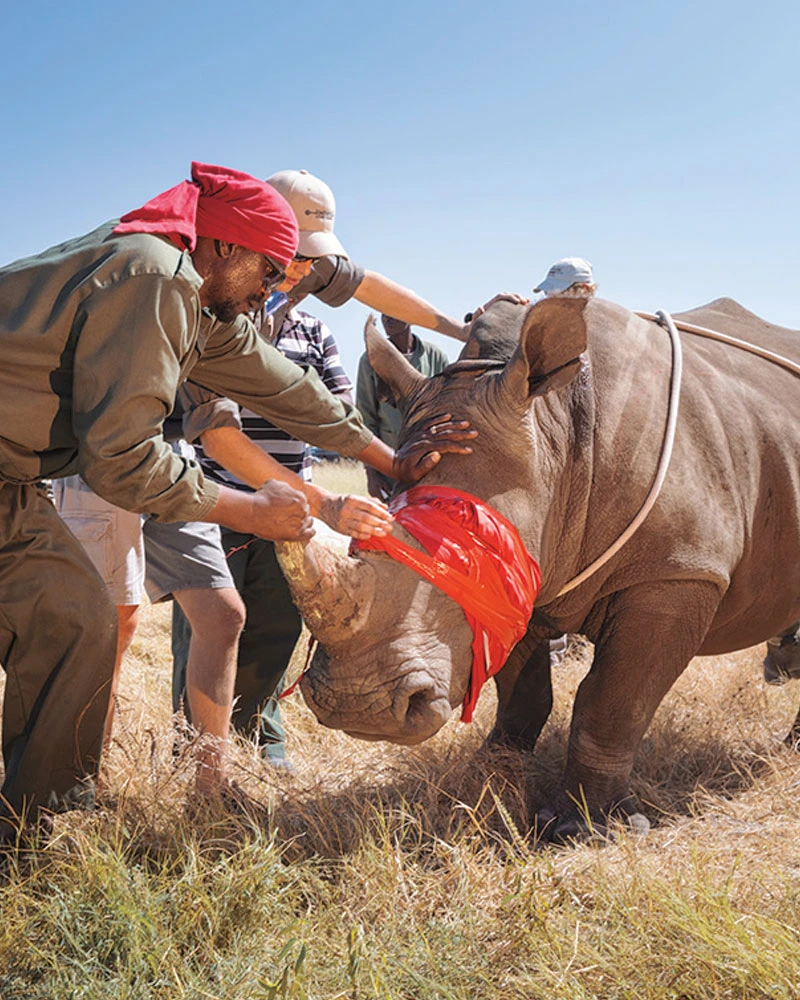
National Geographic handed the Big Cats Initiative to Great Plains Foundation in 2022, bringing all of the Jouberts’ management of conservation and community work under one roof. With 1.5 million acres of wild Africa to protect, the Jouberts had relocated Rhino from the poaching pressure in South Africa through Rhinos Without Borders and kept rangers in the field through the pandemic with Project Ranger.

The Big Cats Initiative came with a record to build on: more than 150 grants for research and field projects in 28 countries, credited with easing the threats to almost 3,000 Big Cats. On ground, that meant 13,000 snares pulled out of Big Cat country and 2,000 livestock enclosures, built so a family’s cattle stay safe through the night and a Lion lives to see the morning.

Great Plains Foundation carries that work on with the people who share the land with the cats. Along the northern Okavango, the warning on a herder’s phone gives the Lion’s name, one the community chose, and how far away that Lion is.
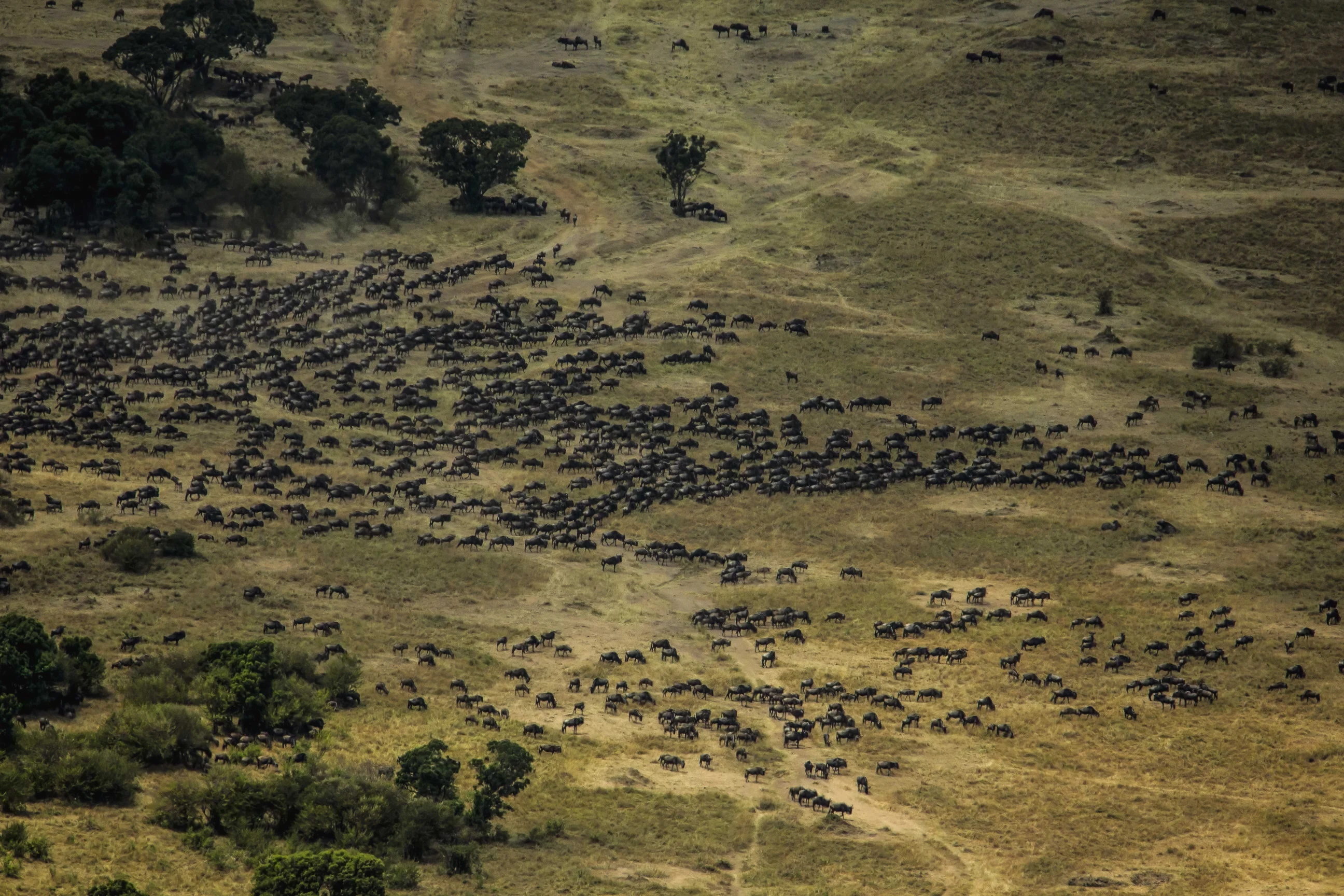
The plains of the Mara from above, a great herd of Wildebeest spread across the grass among dark trees
A camera grid now covers two Mara conservancies · Kenya
Private Mara · Kenya

The Mara

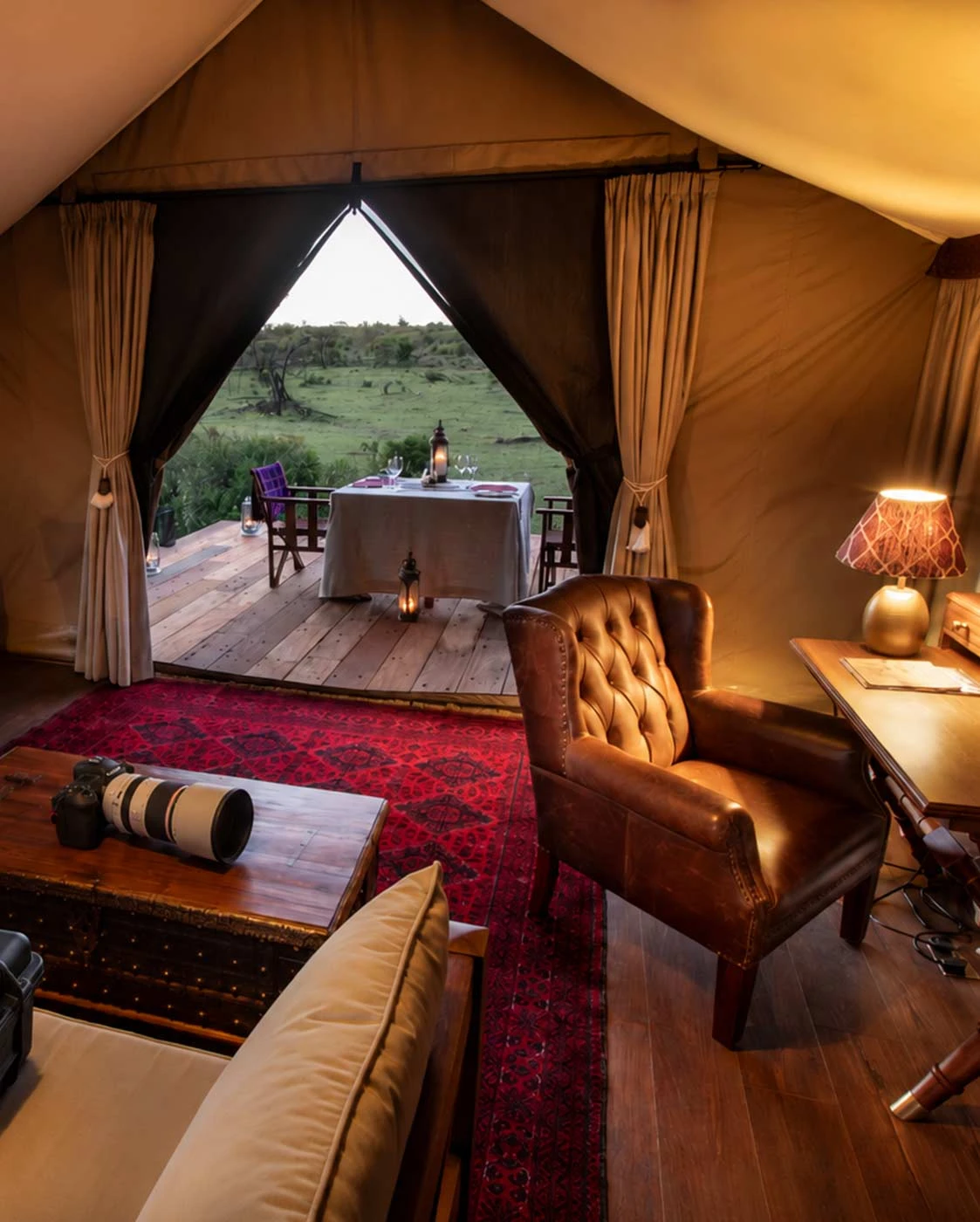
Great Plains Conservation calls the Olare Motorogi Conservancy the place with the highest concentration of Big Cats anywhere in Africa. Across Olare Motorogi and its neighbor Naboisho, home of Mara Nyika Camp, the Big Cats Initiative is learning which cats are where.

Cameras
A Big Cats Initiative grant to Wild-Tech pays for a grid of camera traps across both conservancies. Artificial intelligence identifies the species in each frame, and software puts the results in rangers’ hands.
Cheetahs
The Kenya Wildlife Trust’s Mara Predator Conservation Programme puts its grant into new recruits, field kit for its rangers and Predator Ambassadors in the corridors where people and Cheetahs meet.
On film
Dereck Joubert filmed The Way of the Cheetah in these same two conservancies.
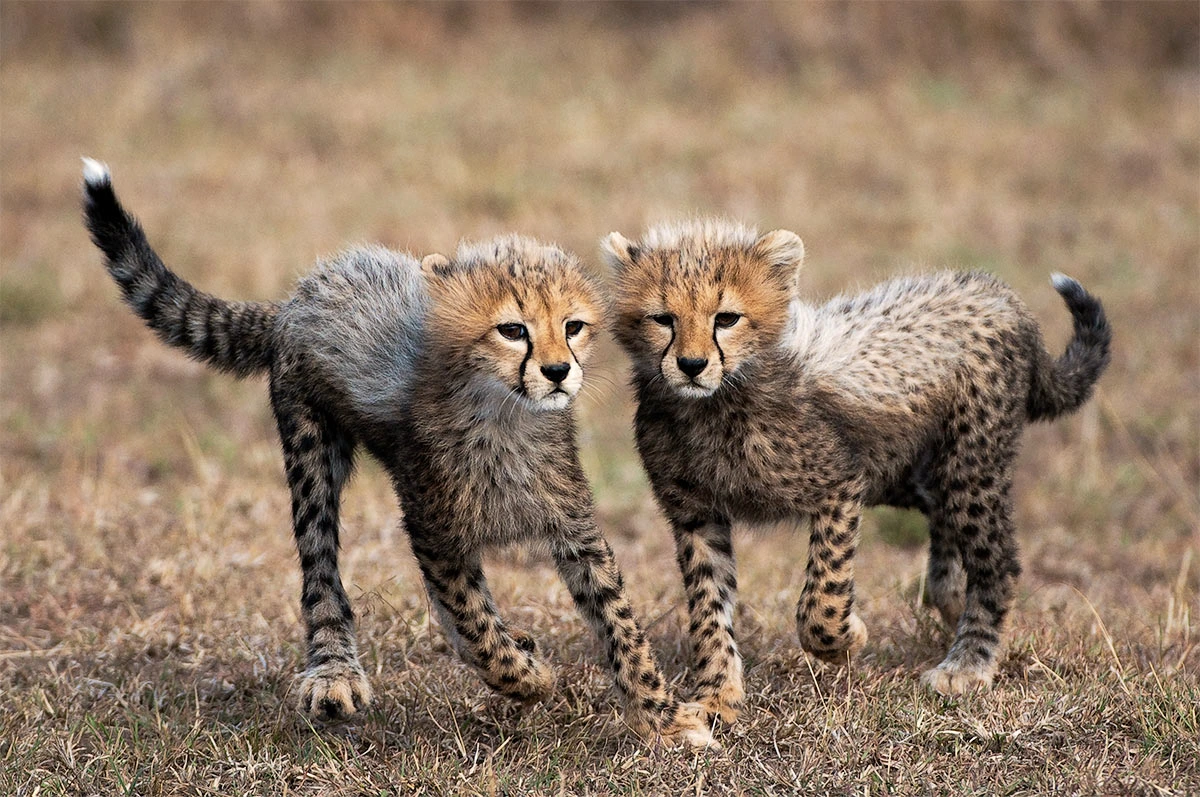
Two Cheetah cubs walking side by side through dry grass, looking toward the camera
Survey teams know each Cheetah by its spots · The Mara
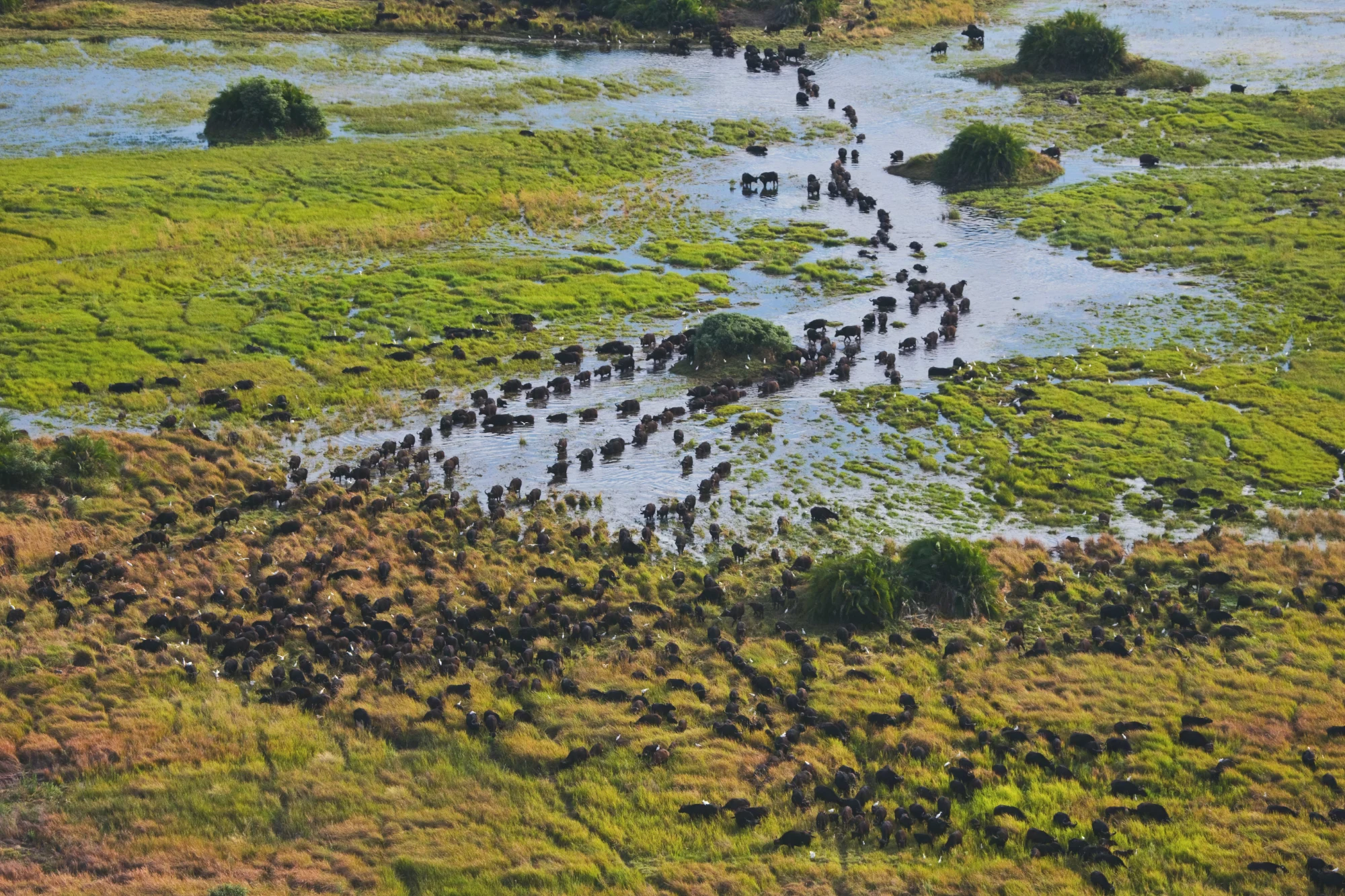
The Okavango’s green floodplain from the air, a long line of Buffalo crossing a shining channel
Surveyed from the air · Duba Concession
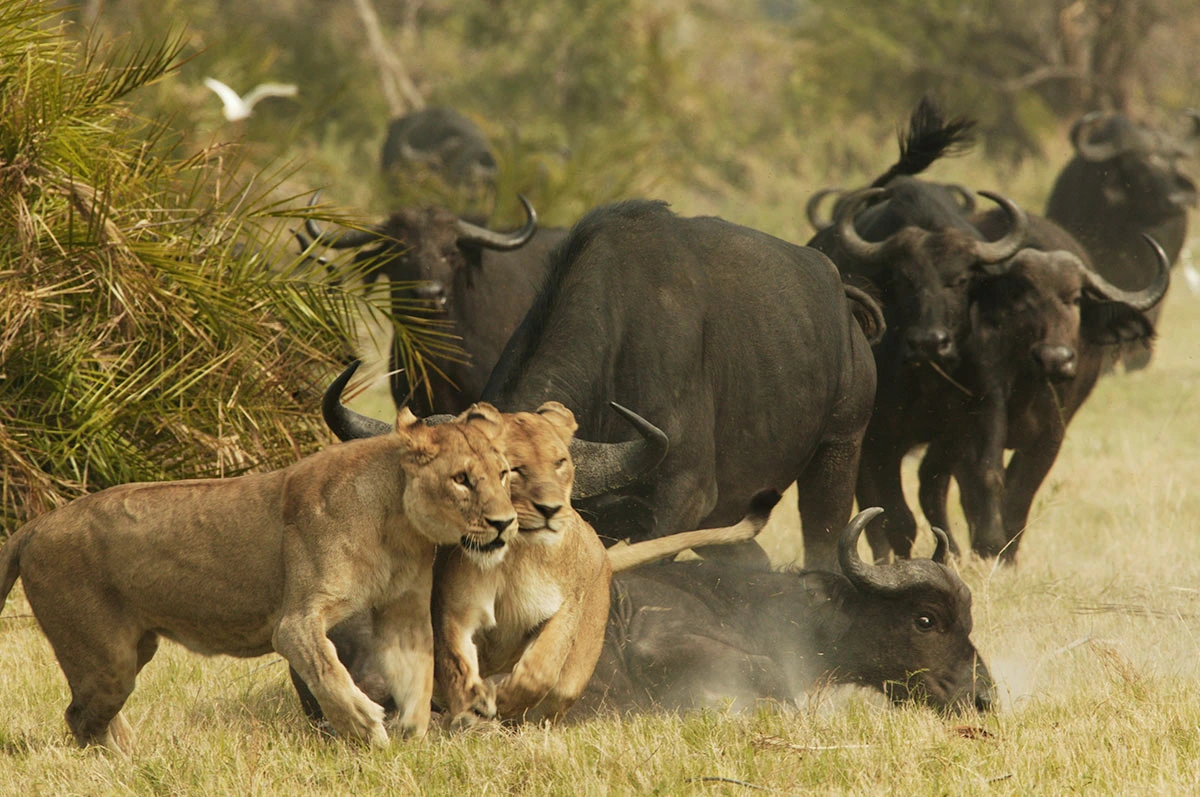
Two Lionesses bringing down a Buffalo, the herd pressing in behind them
Lion · Duba Concession
Okavango Delta · Botswana

Duba

Duba is home. Dereck Joubert has filmed in the Duba Concession for a little over 20 years, following the Lion prides who swim the Okavango’s channels hunting Red Lechwe and Buffalo. This is the story told in Relentless Enemies and The Last Lions for National Geographic.

From the air
In 2024 Great Plains flew the whole concession with camera pods on a fixed-wing aircraft, then tagged the images to teach software to recognize each species.
Rangers
The Great Plains Foundation’s Wildlife Rangers, many of them women, record species, vegetation and flood levels across the concession every day.
Herders
In the northern Okavango, Big Cats Initiative grants back CLAWS Conservancy. Collars send herders a message when a Lion comes near, and communal herds spend the night in mobile bomas. The Great Plains Foundation cites that this work has helped more than double the known Lions of northern Botswana since 2013.
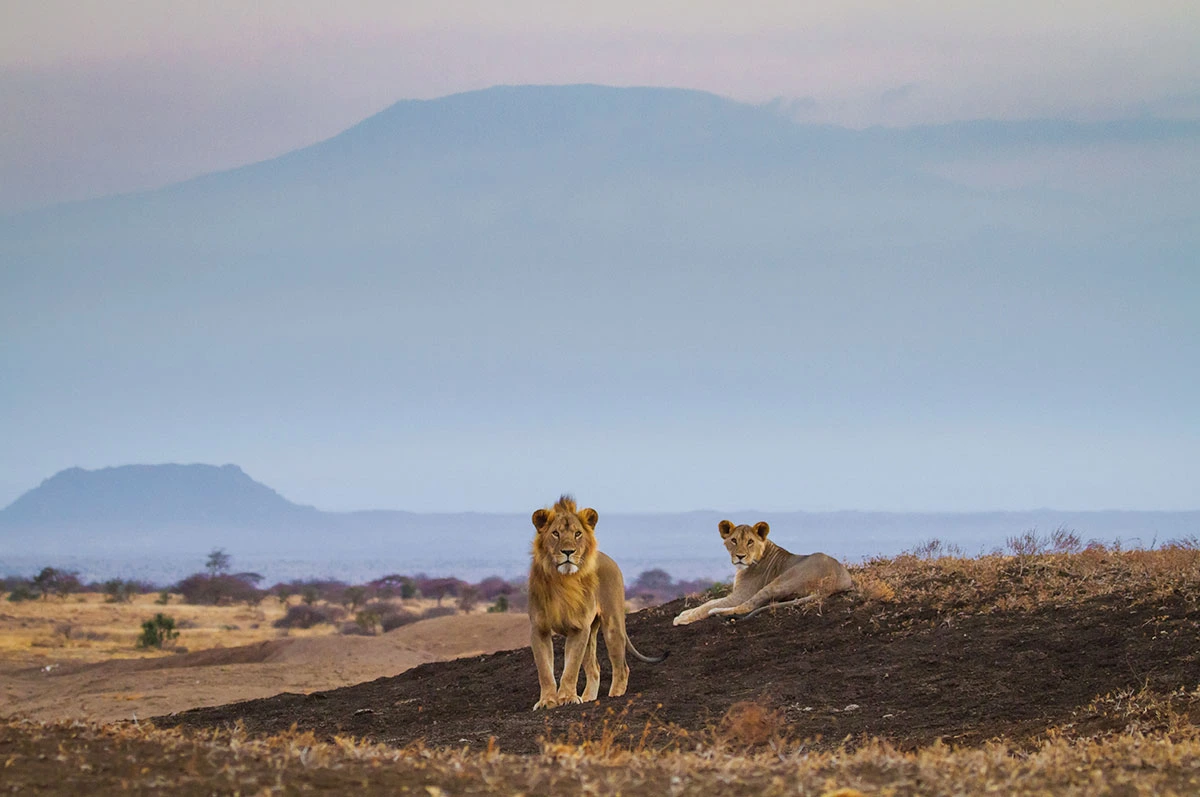
A Lion standing and a Lioness at rest on dark earth, Kilimanjaro rising blue through the haze behind them
Lions in the Chyulu Hills · Great Plains
Chyulu Hills · Kenya

Maasai Olympics

In the Chyulu Hills, Great Plains works beside Big Life Foundation, whose Predator Compensation and Maasai Olympics have given the area’s Lions substantial opportunities to recover. The Maasai Olympics bring young Maasai men and women to the track in the spirit of sportsmanship to help protect Lions by changing traditional custom, through funding from the Great Plains Foundation and the Big Cats Initiative.

Dereck Joubert reported in April 2025 that the decline of Big Cats is reversing in both the Chyulu Hills and Duba regions.

Big Cats, Great Plains Foundation

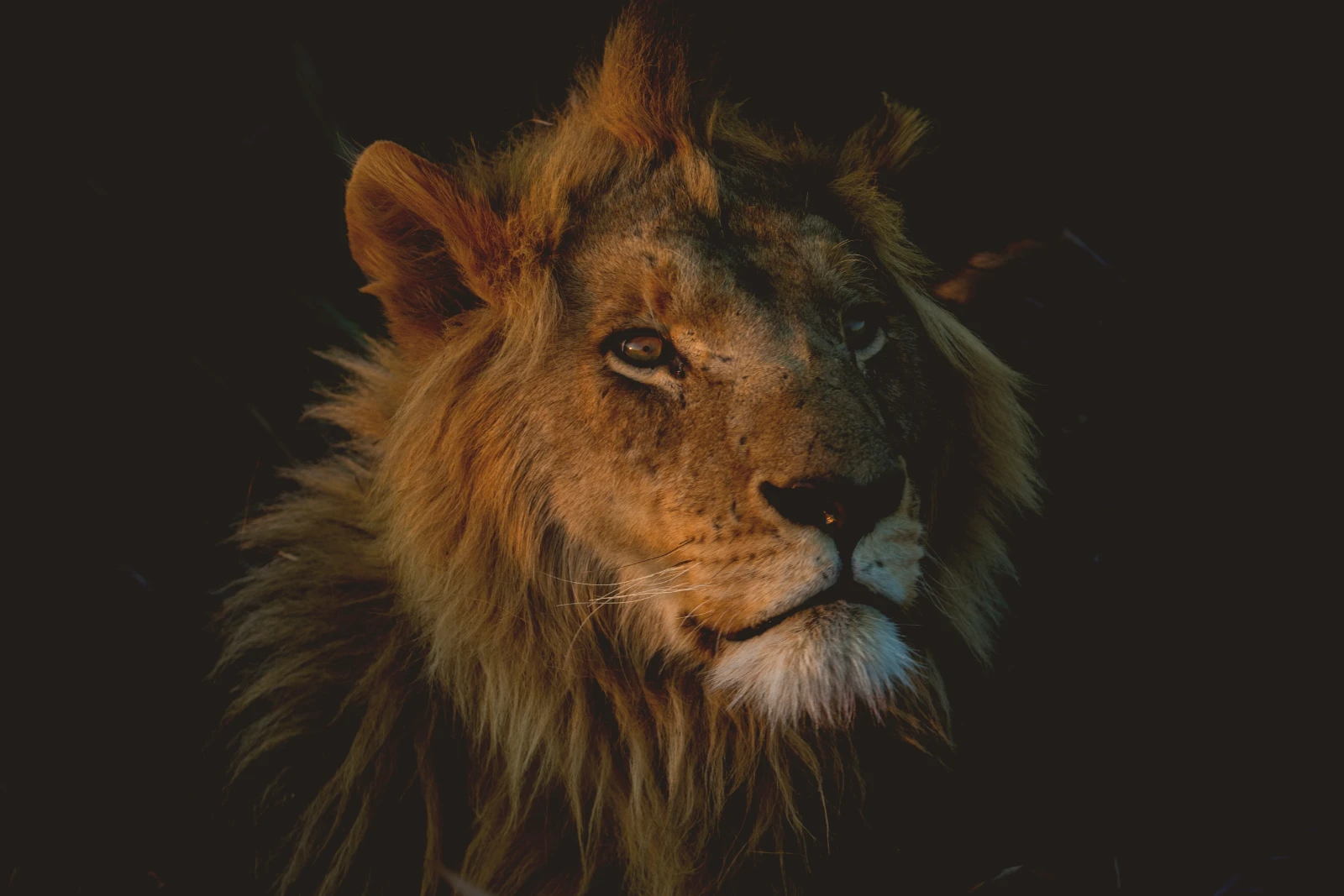
A male Lion at dusk, his mane lit gold against the dark

Great Plains Foundation

We have identified what works and now we must scale up these successes

Great Plains states that Lions have disappeared from 95% of their historic range in Africa, and their population declined 43% in the 21 years between 1993 and 2014. Cheetah populations have disappeared from more than 90% of their historic range, and Leopards are facing similar declines.

“We’ve learned that there are vital things we can do to elegantly solve the problem, flatten the curve, and reverse it. But doing the same thing time and again will not yield any different results,” states Dereck Joubert.

The partnersOn the ground
  • Great Plains FoundationBotswana · Kenya
  • National GeographicFounding partner
  • Kenya Wildlife TrustThe Mara
  • Wild-TechThe Mara
  • CLAWS ConservancyOkavango
  • Big Life FoundationChyulu Hills

Working with travel partners and conservation projects in the field, the Guided Safaris® research lab teams share new ideas from across Africa that highlight key conservation efforts on ground. Staying in close contact throughout this supplier chain ensures that the whole network shares a responsible and innovative approach.

A Living Thread

Conservation at the heart of every journey

Over 30 years in Private African journeys.

Supporting key conservation initiatives across sub-Saharan Africa, Guided Safaris® journeys feature the continent’s finest private game reserves and award-winning eco-luxury camps and lodges that safeguard endangered wildlife through low-impact, sustainable travel.

We are honored to share our stories, safari craftsmanship and commitment to the African wilderness with you.

Discover Signature Journeys
Guided Safaris® · San Francisco · Est 1995

Every journey with Guided Safaris® carries the conservation work and crucial programs behind the regions you visit. Tell us where you’d like to begin, and we’ll take care of the rest.

© Guided Safaris® 2026 • All Rights Reserved Luxury Safari Camps  ·  Luxury Safari Lodges