
Program II · Elephant
Elephant Archives · Guided Safaris® Research Lab
SheldrickWildlife Trust
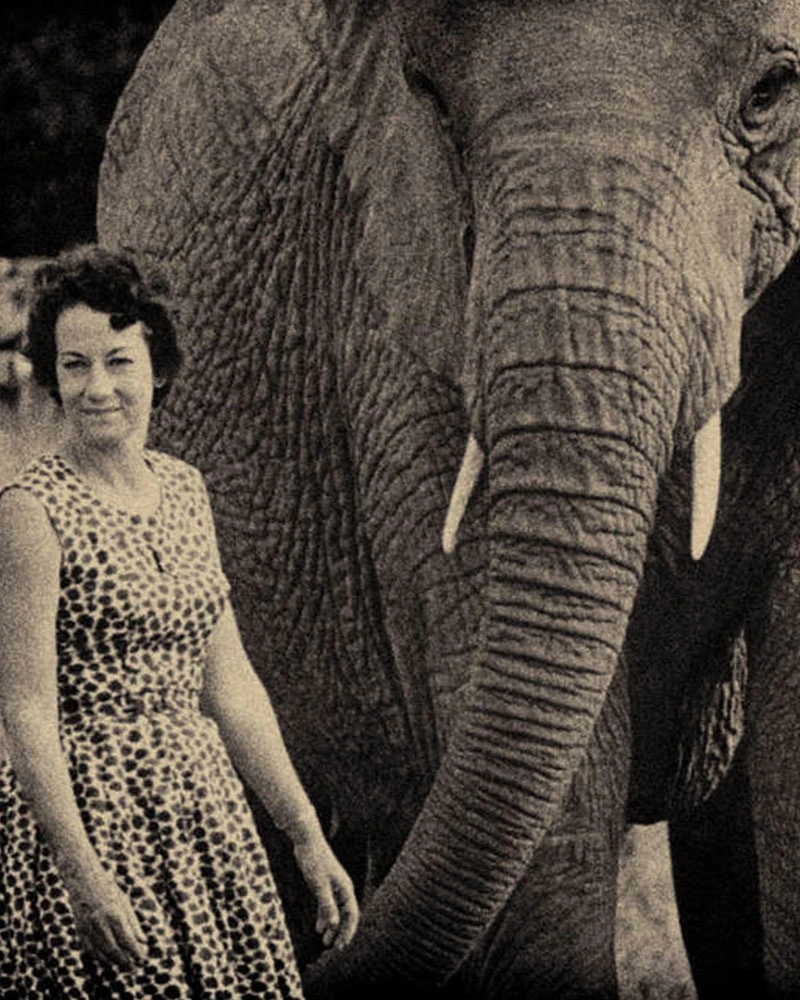
Dame Daphne Sheldrick developed the breakthrough baby Elephant milk formula for a rescued orphan in the ’70s, and then worked out how to return the grown Elephant to the wild. Every animal the Sheldrick Wildlife Trust helps today is raised her way.
Gilgil · Kenya
A farm in the Rift Valley
Daphne Jenkins was born in Kenya on June 4, 1934, and grew up on the family farm at Gilgil.
Sheldrick
Today
To Tsavo
Daphne came to Tsavo in 1953, to the wilderness David Sheldrick was shaping as the park’s founding warden. A year later an abandoned calf named Samson was rescued and needed a safe place to grow, so David built the stockades at Voi. Today that ground is the Sheldrick Wildlife Trust’s Voi Reintegration Unit.
Tsavo East
The Orphans
Daphne and David married in 1960. By then he was hand-rearing orphaned Elephants, and heartbreak came with it: by the Trust’s account, only those over 2 years old survived. David held to one rule through all of it. Every orphan was taken in only to secure its dependent years and must one day be released back into the wild.
Aisha
The formula
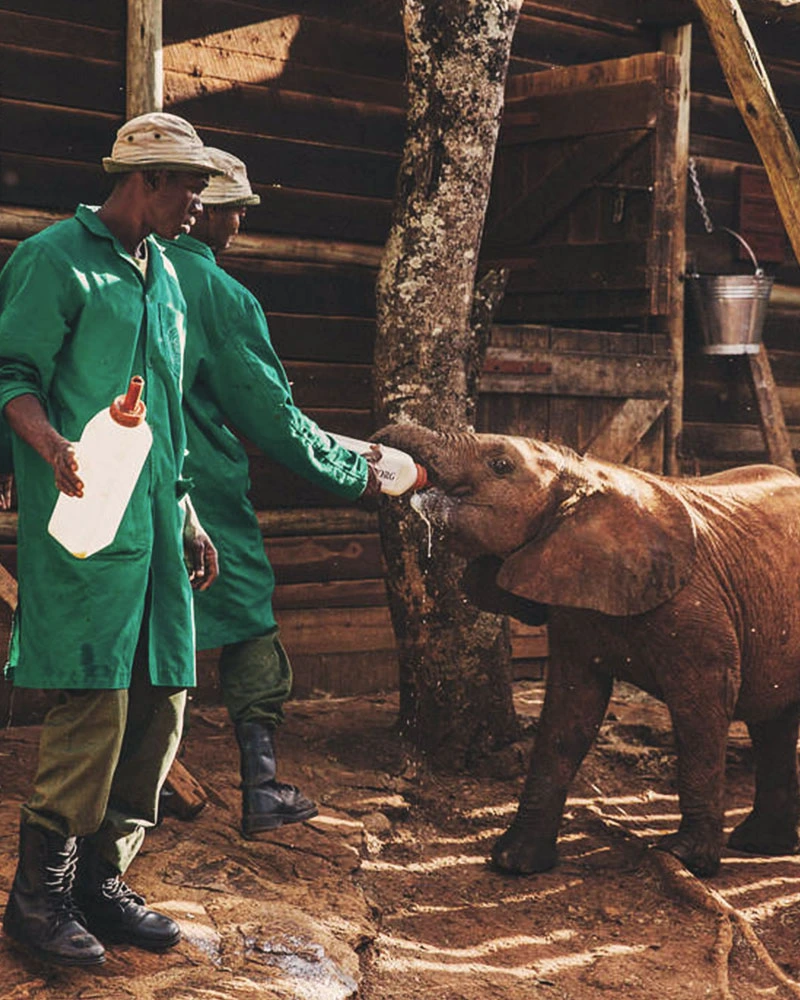
Two decades of trial came down to one bottle: a baby milk formula from Europe, made with coconut oil, first tried on the infant Aisha in the mid-1970s. The Trust calls Dame Daphne the first person to perfect the milk formula and husbandry needed to raise milk-dependent Elephants and Rhino.
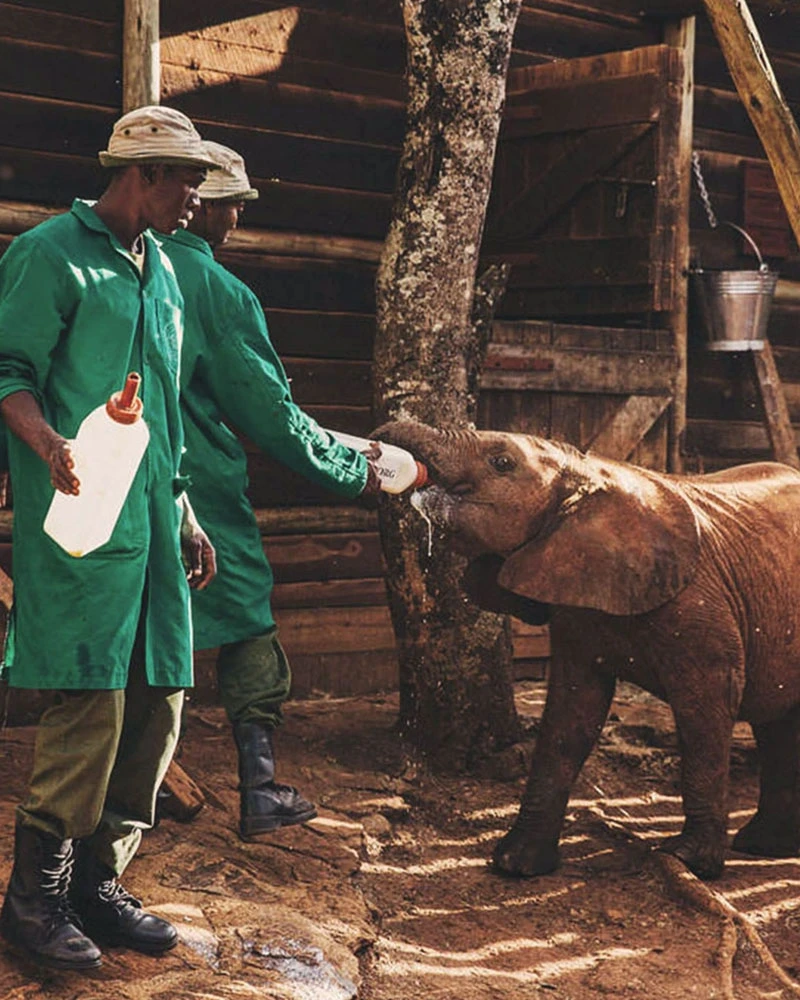
Aisha left Daphne a second lesson, as lasting as the first: an orphan thrives with a whole family of carers around it. The Keepers still take turns today, so every calf grows up with many familiar faces beside it.
Nairobi National Park
The Sheldrick Trust
When David Sheldrick died in June 1977, Daphne carried his work forward and founded the Trust in his memory. A year later the Kenyan government gave her leave to build a home in Nairobi National Park, and the orphanage grew up around it.
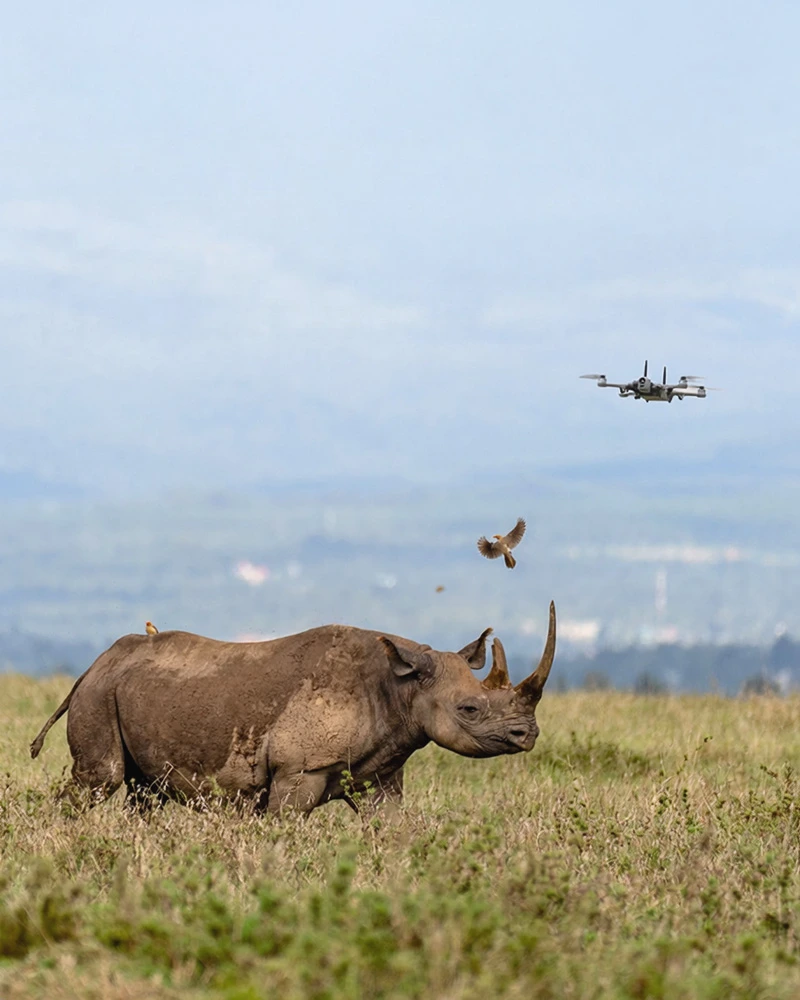
Rhino came first. By the Trust’s account, the first decade went largely to them, helping fund the Ngulia Rhino Sanctuary in Tsavo West and supporting the founding of the sanctuaries at Lake Nakuru and Meru. For four decades the Trust carried David’s name. In 2019 that name became the Sheldrick Wildlife Trust, as Dame Daphne had wished, the name she and David shared.
The Nairobi Nursery
The Orphanage
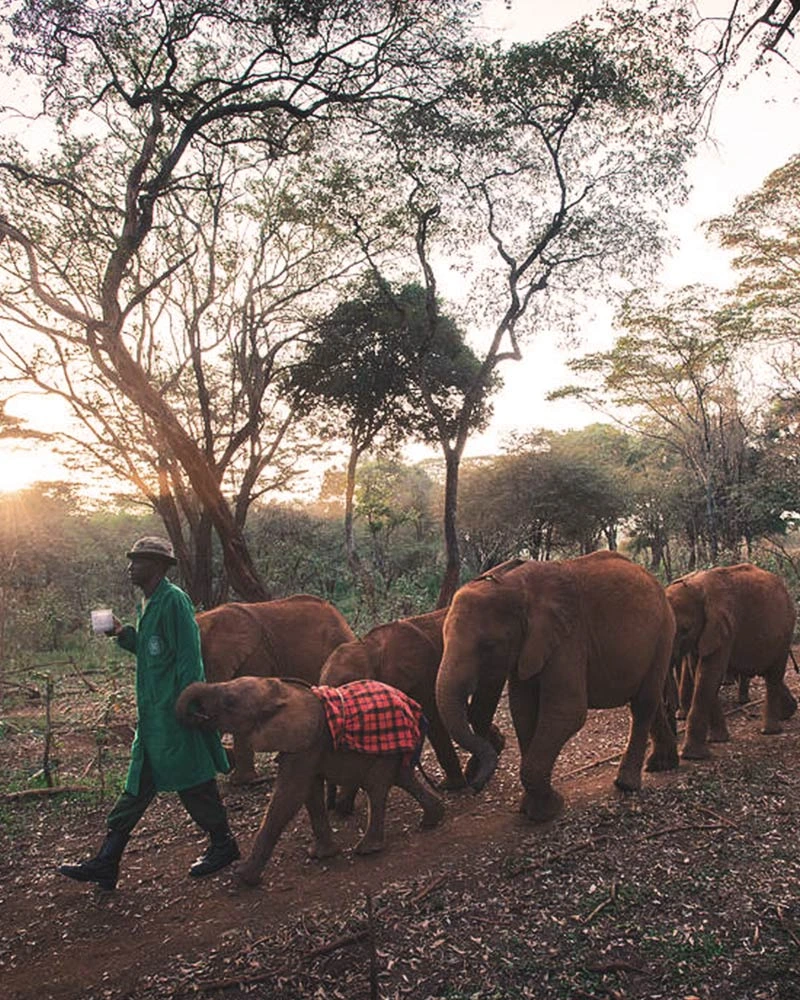
A calf can lose its herd to poaching, habitat loss, conflict with people or drought, or be found alone, stuck in mud or trapped in a well. When the Kenya Wildlife Service makes the call, the Sheldrick Trust’s teams set out with helicopter and planes to bring the calf home.
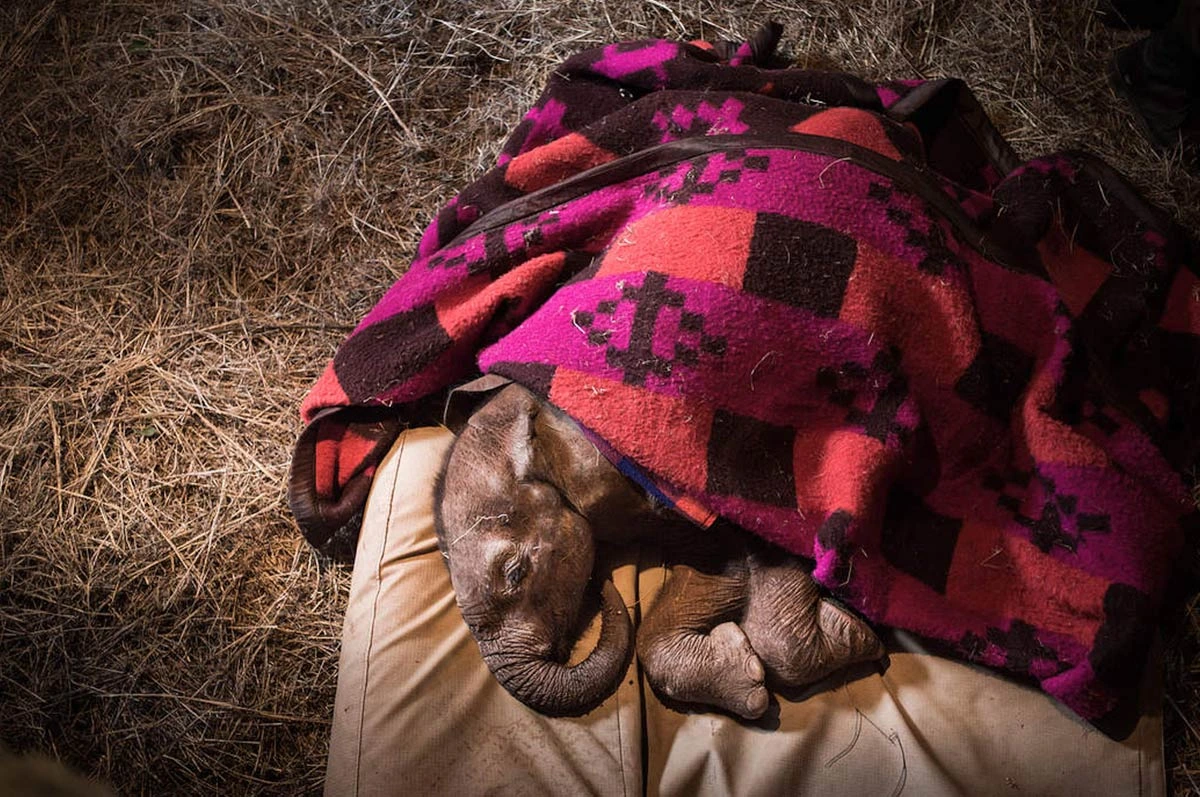
For most orphans, home starts at the Nairobi Nursery, which began in 1987 with a two-week-old calf named Olmeg. Each one sleeps in its own stable, with a Keeper on a bunk beside it through the night. Since 2018 the most fragile newborns have found their start at Kaluku, the Trust’s field headquarters on the edge of Tsavo East.
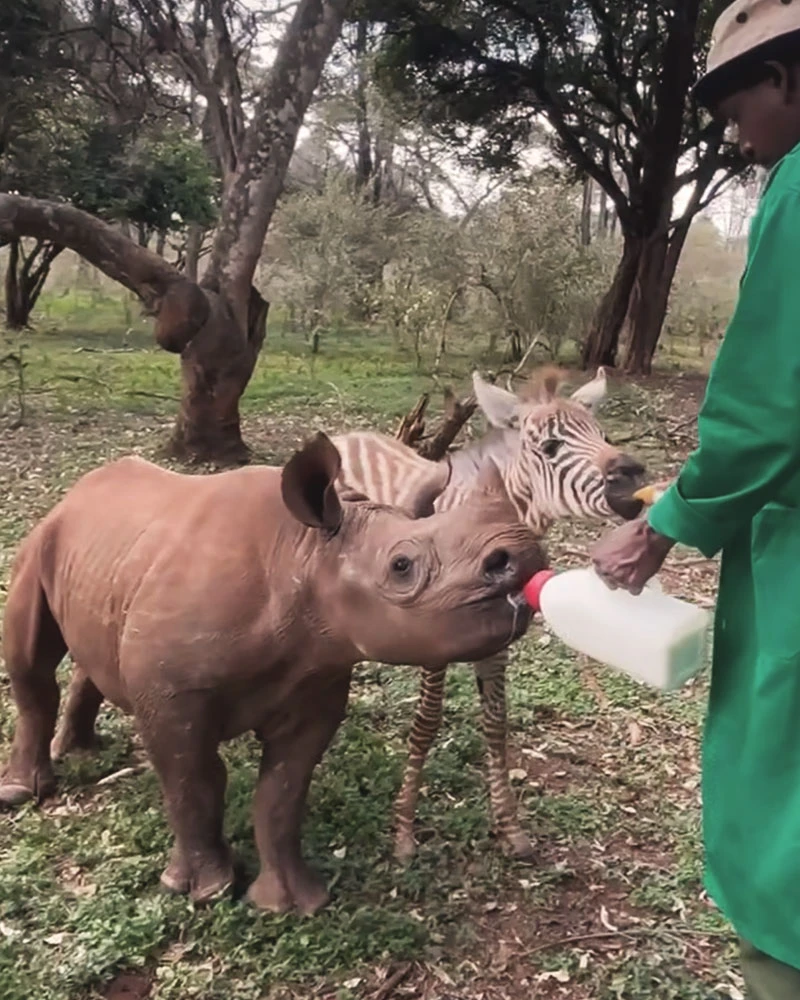
The orphanage is a haven for more than Elephants. Baby Rhino, Buffalo, Zebra and other orphans are rescued and raised here too, with the same care.
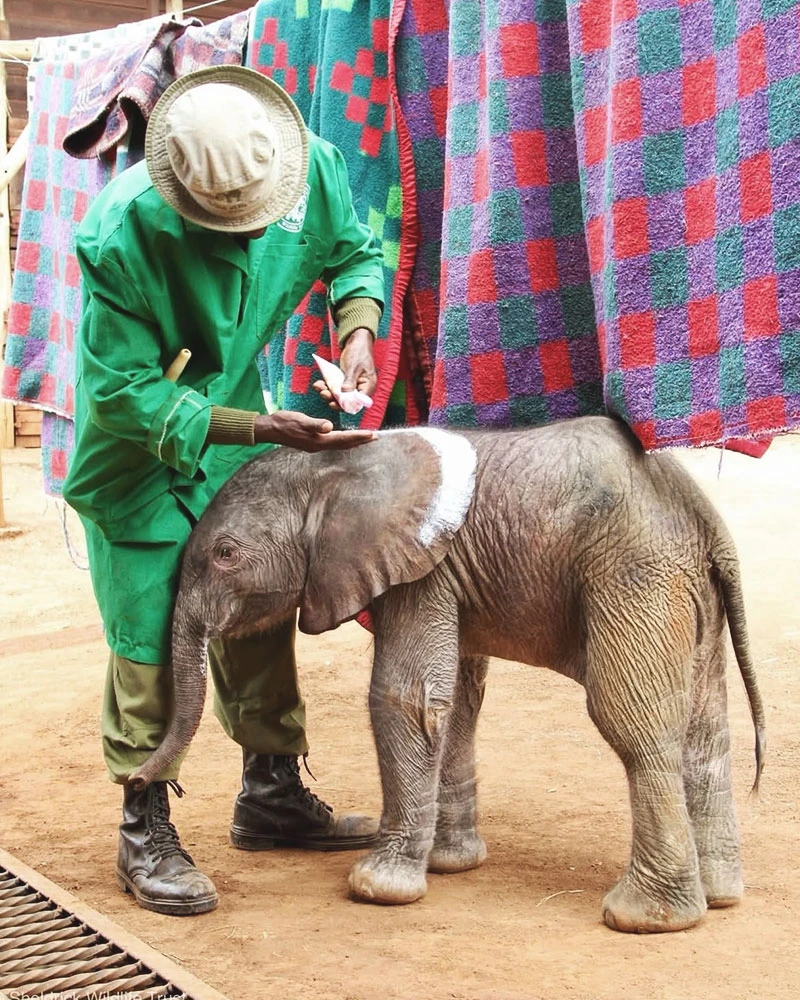
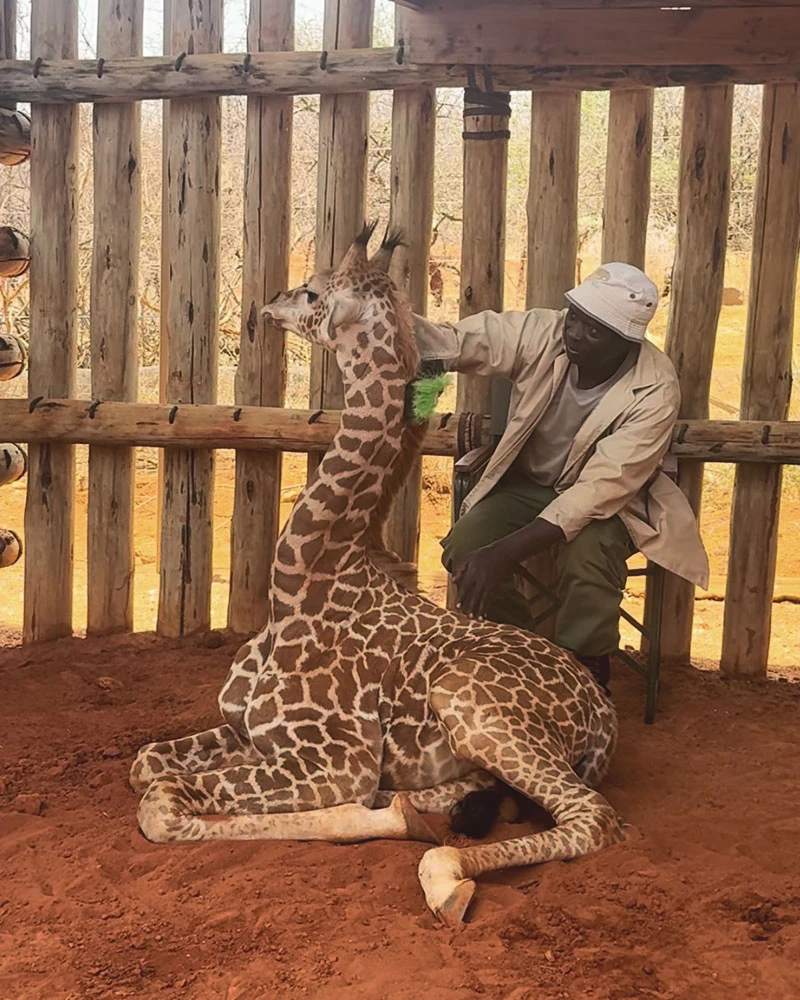
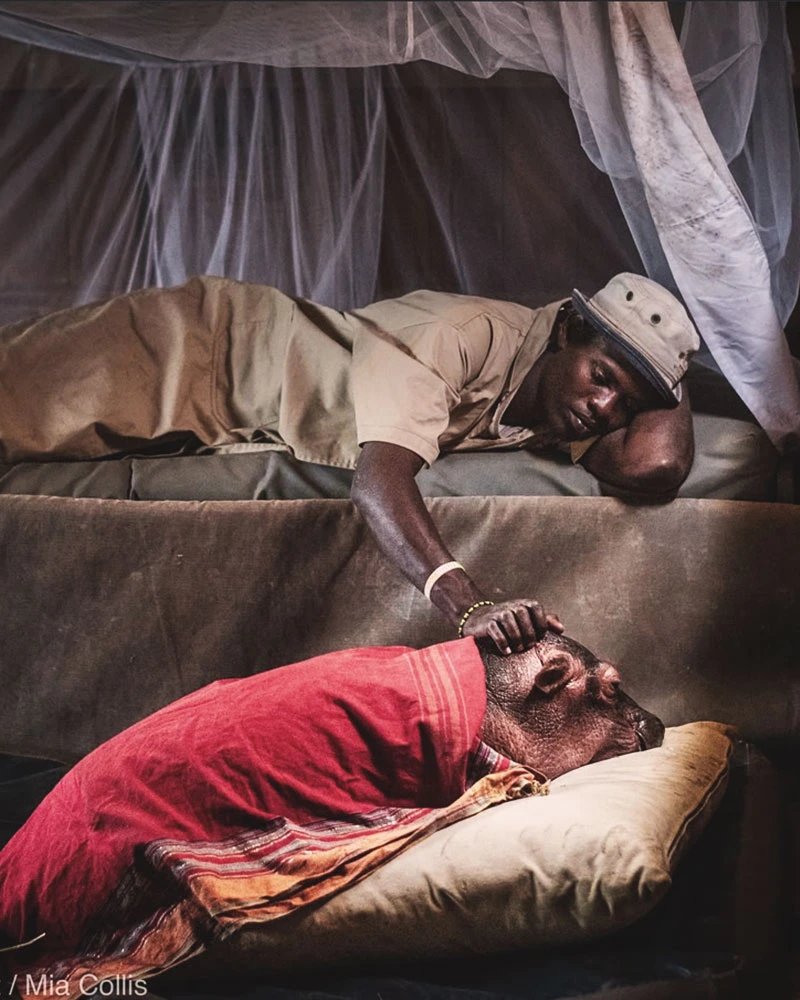
All imagery courtesy of Sheldrick Wildlife Trust © All rights reserved
Behind the scenes · Nairobi
Private Visit
Guided Safaris® journeys offer a Private Donor visit behind the scenes in Nairobi, exclusively hosted by the program, where guests adopt the orphans. Each donor receives a Personalized Adoption Certificate, routine updates and a monthly newsletter directly from the Sheldrick Wildlife Trust.
Become a donor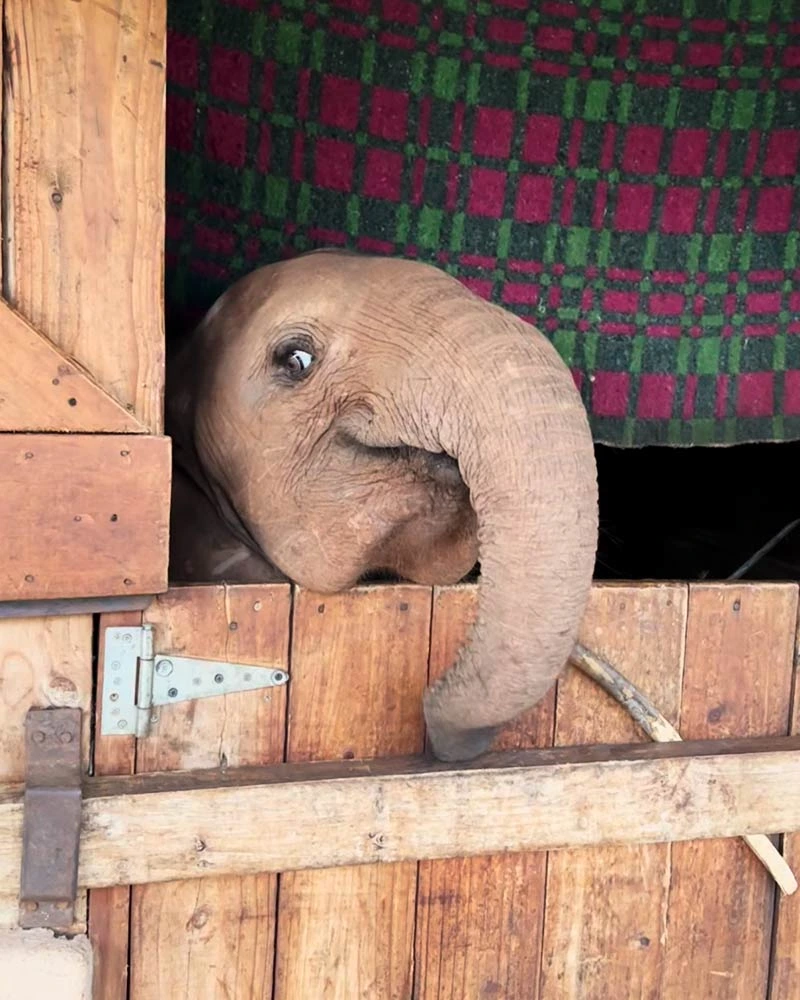
Voi · Ithumba · Umani Springs
Into the wild
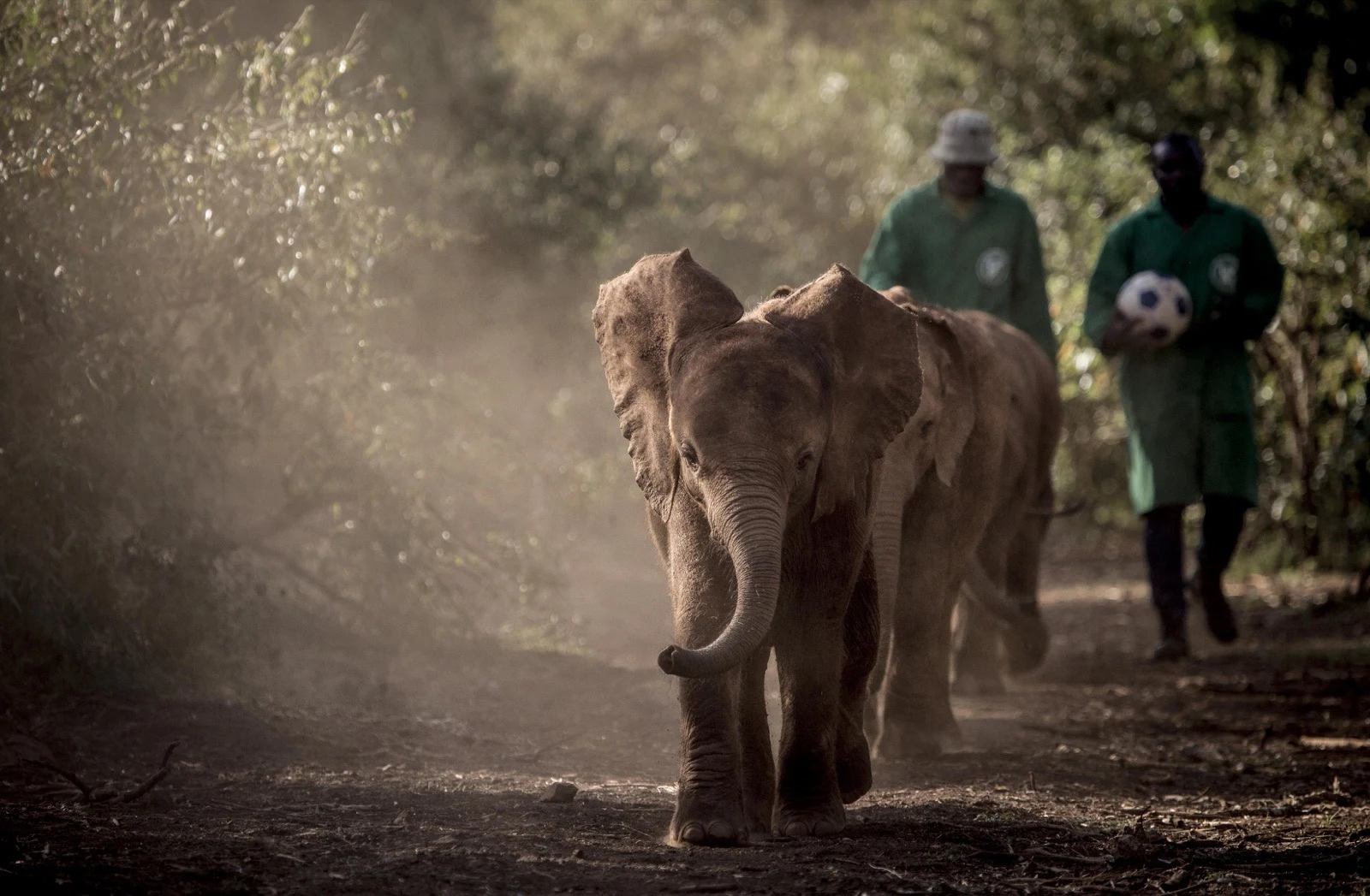
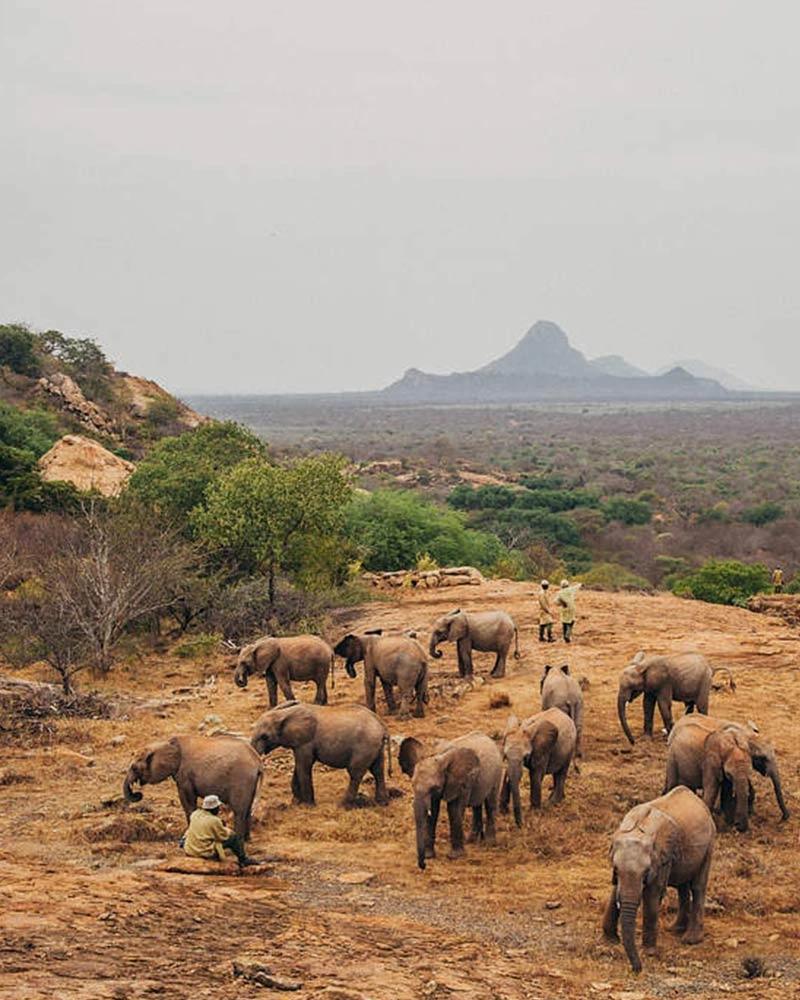
In 1989 Olmeg and Taru became the first Nursery orphans to move on to Voi, and in 1991 Eleanor walked back into the wilds of Tsavo. Around the age of 3, orphans now leave the Nursery with their friends beside them, bound for one of three reintegration units: Voi, David Sheldrick’s original stockades; Ithumba in northern Tsavo East, opened in 2004; or Umani Springs in the Kibwezi Forest, opened in 2014 as a gentler home for orphans with lasting injuries.
The orphans are weaned slowly off the milk, the Keepers step back, and ex-orphans and wild Elephants take over as mentors. The journey can take up to 10 years, at a pace each orphan sets, and the Sheldrick Trust says the decision to leave belongs to each Elephant. By the Trust’s account, most keep coming back to visit for the rest of their wild lives.
Anti-poaching
The rangers
Every orphan goes back to the wild, so the wild has to be safe. The Sheldrick Trust’s first anti-poaching team went out with the Kenya Wildlife Service in Tsavo in 1999, and today the rangers train at the KWS law enforcement academy at Manyani and work side by side with KWS rangers. Together they stand against snares, ivory and horn poaching, charcoal burning and illegal logging, mostly in the Greater Tsavo Conservation Area and also in Meru and on the coast.
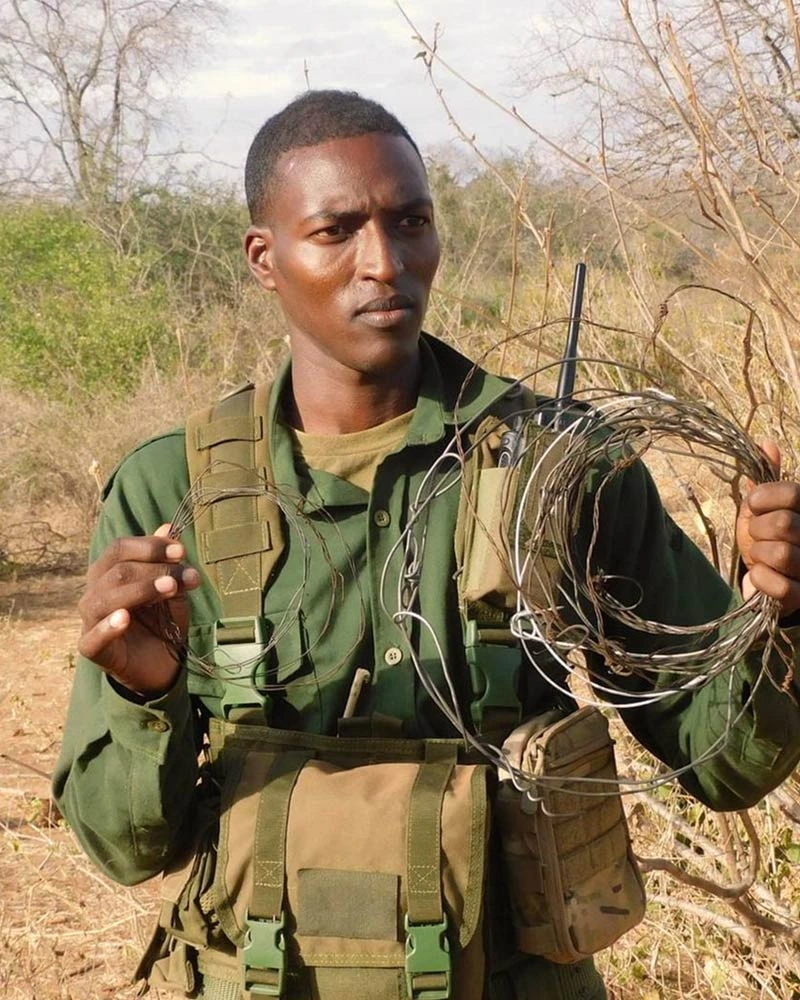
A foster family
Next generation
Dame Daphne’s daughter, Angela Sheldrick, took the helm in 2001 and still runs the Trust. With Robert Carr-Hartley she designed the digital fostering program, and the orphans gained families far from Kenya. The Keepers began recording each orphan’s days, and on the 15th of every month foster parents still hear how their orphan is doing.
Every fostering helps them, paying for the milk, the Keepers, the rescues, the ranger patrols and the flying for every orphan in care.
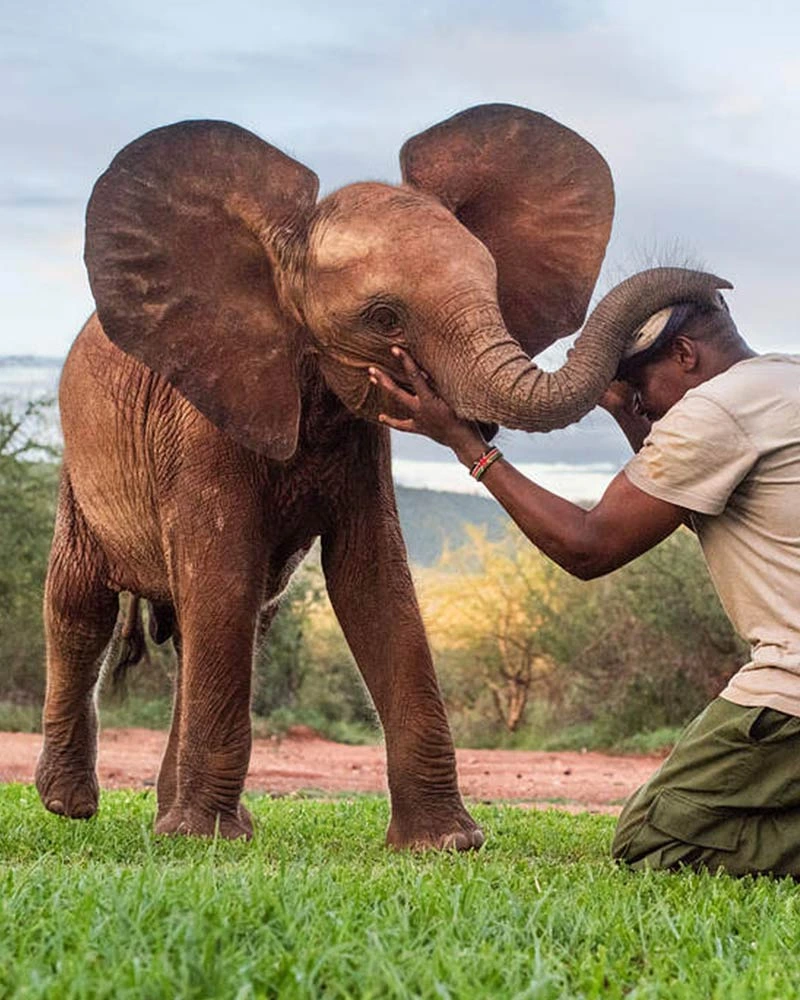
Mobile Veterinary Units
A vet in the field
The first Mobile Veterinary Unit took to the road in Tsavo in November 2003, so that help could reach a wounded animal where it stands. The Trust funds and equips the units, each led by a Kenya Wildlife Service vet with KWS capture rangers and a driver from the Trust. The vets treat snare, spear, arrow and gunshot wounds and disease in Elephants, Rhino, Giraffes, Zebras and Lions, and the aim is always the same: back on its feet in the wild.
Around Amboseli the vets treat Elephants found by Big Life’s rangers, and Sky Vets flies the on-duty vet to an animal in need anywhere in Kenya.
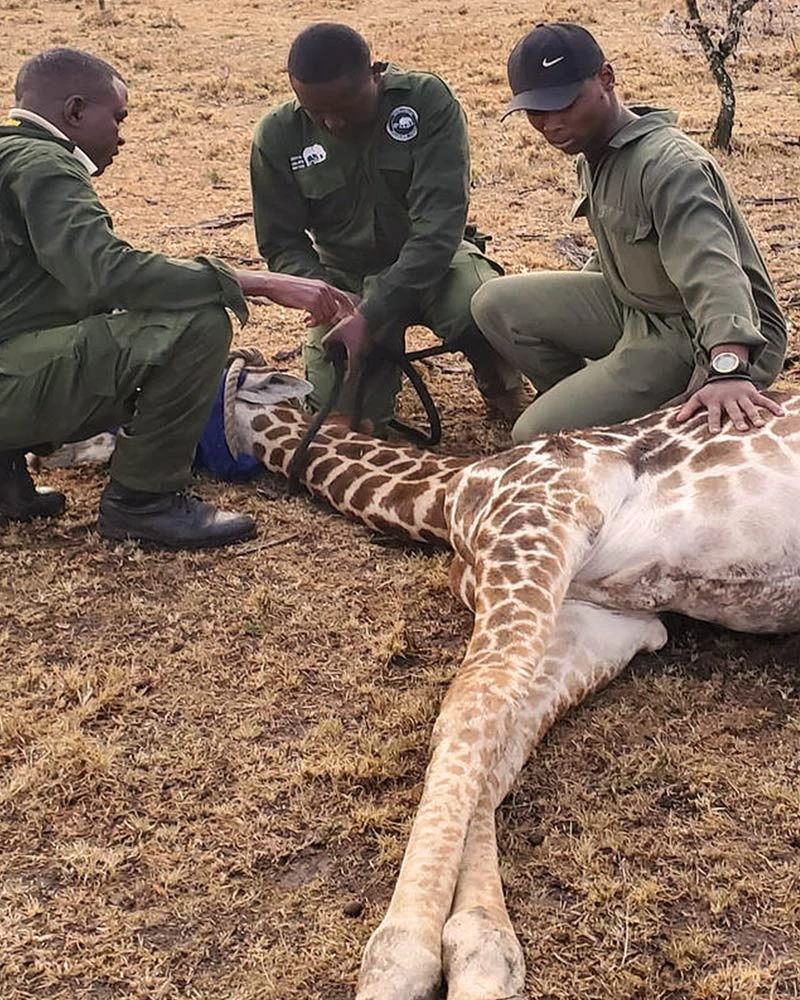
The Aerial Unit
Helicopter patrol
The Aerial Unit began in 2008 with a single Super Cub, and the view from above changed what could be saved. Today the unit flies an average of 220 hours a month, covering around 17,300 miles, on daily security patrols, veterinary interventions for injured Elephants and other wildlife, search and rescue for orphaned calves, firefighting, easing conflict between people and wildlife, and emergency medevacs. Many rescues begin with what a pilot notices from the air: dragging footprints that point to a snare, a tiny bump that means a poisoned arrow.
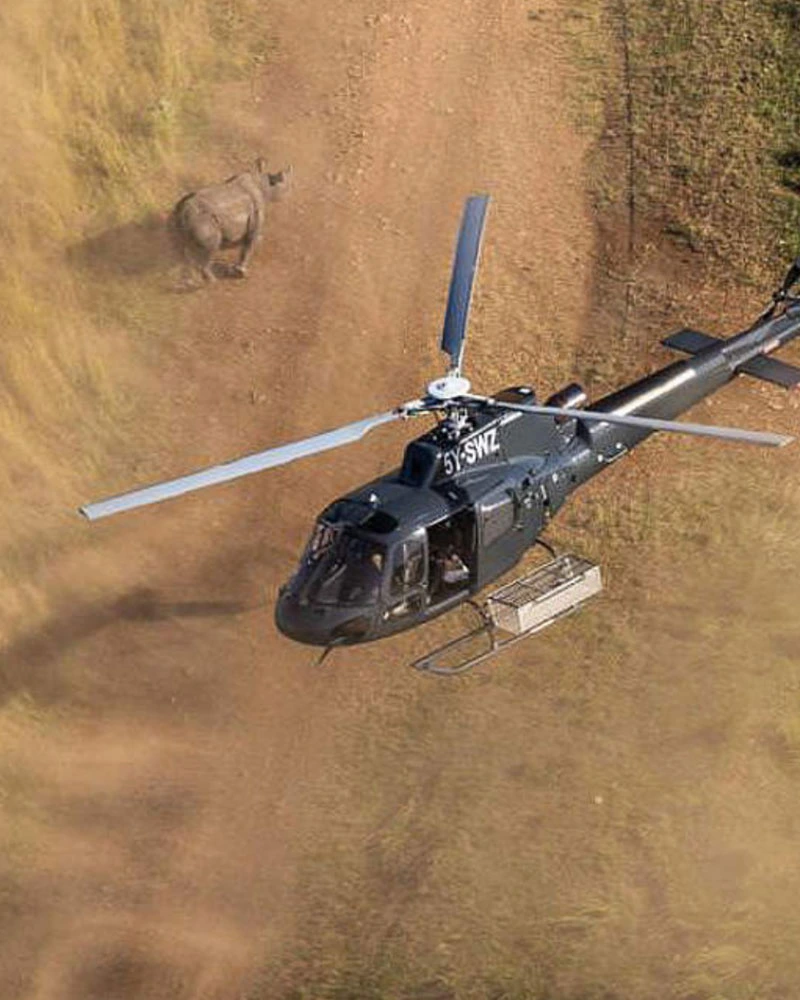
Water and habitat
Community
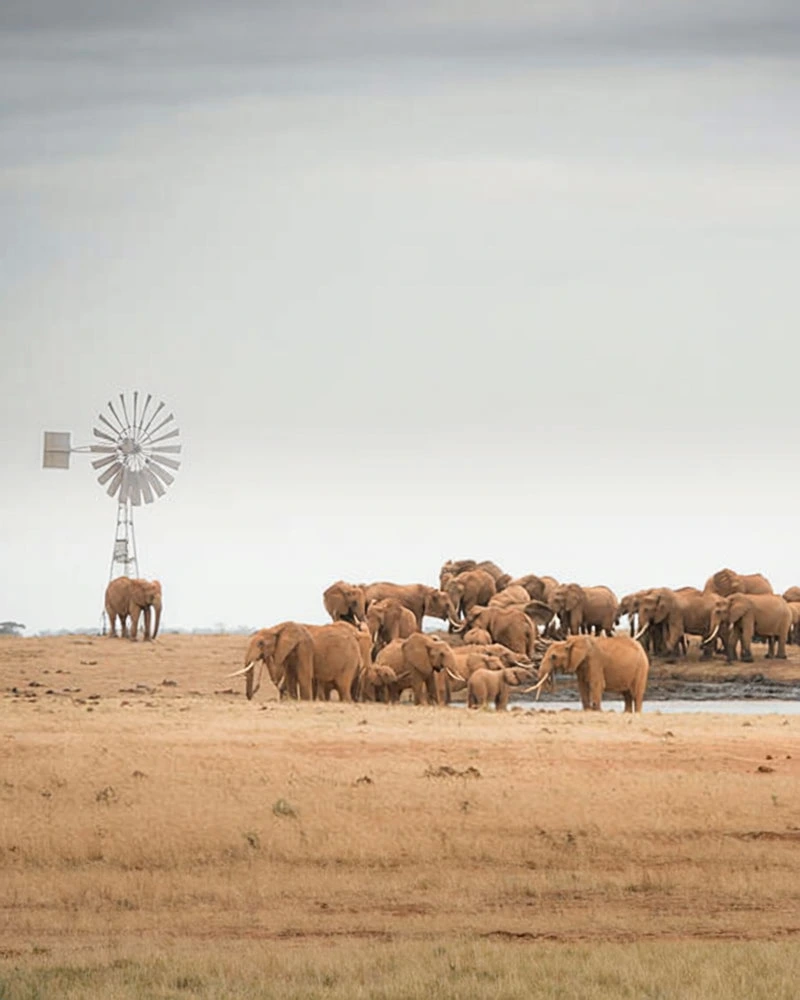
When drought comes to dry Tsavo, the Trust drills boreholes, runs water bowsers and fills troughs so that the wild has water. With partners the Trust protects habitat such as the Kibwezi Forest, which the Trust calls one of Kenya’s last remaining groundwater woodlands. Beehive fences have kept the peace between Elephants and farmers since 2014, and school lunches, field trips and scholarships reach the children who will inherit all of it.
Sheldrick Wildlife Trust
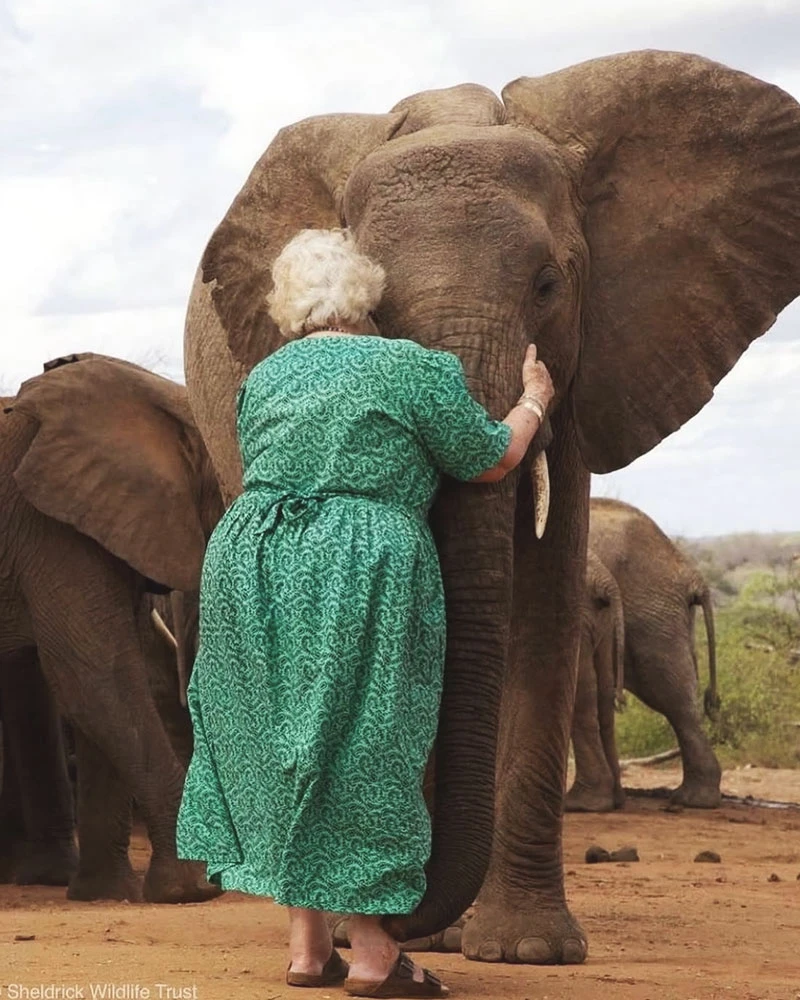
Each elephant is a unique individual, just as are we, and each has its own unique personality.
After her
The orphans bring their calves home
The world took notice: the MBE in 1989, the United Nations Environment Programme’s Global 500 Roll of Honour in 1992, an honorary doctorate from Glasgow University in 2000 and, in 2006, appointment as a Dame Commander of the Order of the British Empire. Dame Daphne told her own story in her autobiography, An African Love Story.
Dame Daphne Sheldrick passed away in April 2018, aged 83, and the family she built carries on. Orphans she never met now bring calves of their own back to the Keepers who raised them.
Travel with the workSignature Guided Safaris® Journeys
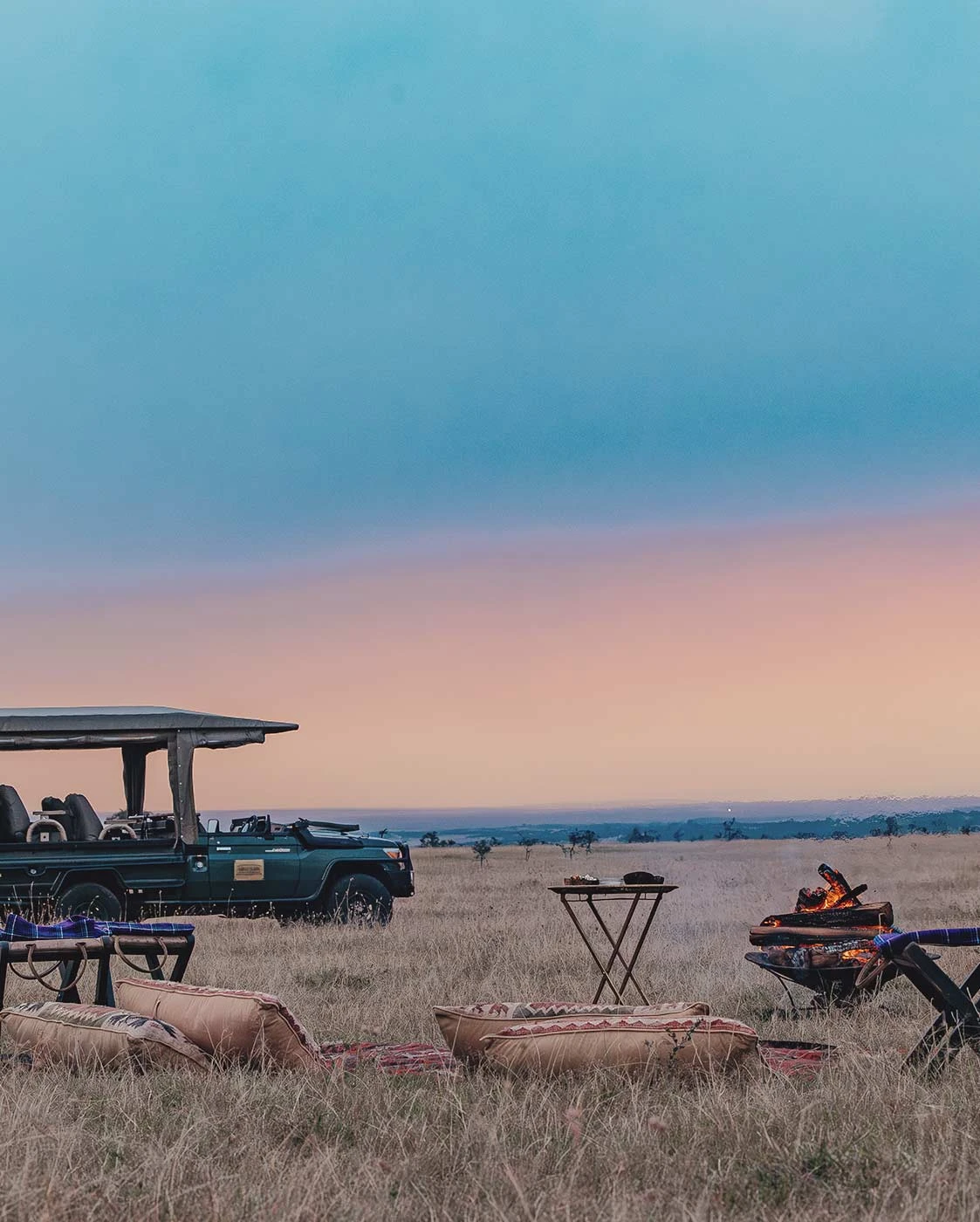
Private Kenya Safari
Kenya’s Elephant country in one exclusive itinerary, from Segera to Private Mara, with a private donor Sheldrick visit, by request.
View journey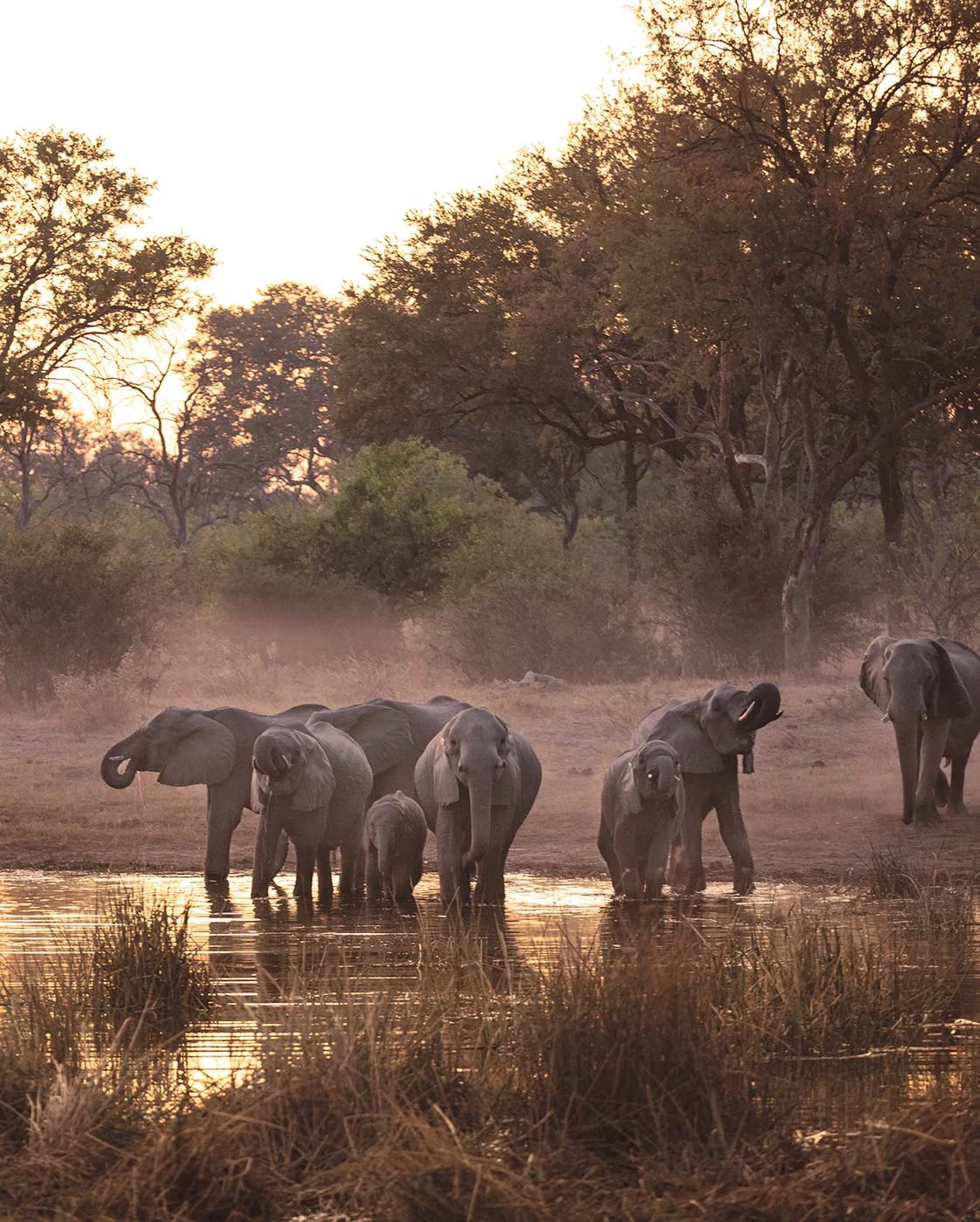
Private Africa Safari
From Gorillas to the Big Game country of Segera, Private Mara and Mombo, on an exclusive Private Jet Safari.
View journeyThe partnersOn the ground
- Sheldrick Wildlife TrustNairobi · Tsavo
- Big Life FoundationAmboseli
- Amboseli Trust for ElephantsAmboseli
- Kenya Wildlife ServiceKenya
- Great Plains FoundationChyulu Hills
Working with travel partners and conservation projects in the field, the Guided Safaris® research lab teams share new ideas from across Africa that highlight key conservation efforts on ground. Staying in close contact throughout this supplier chain ensures that the whole network shares a responsible and innovative approach.
Next · Program III
Big Cat
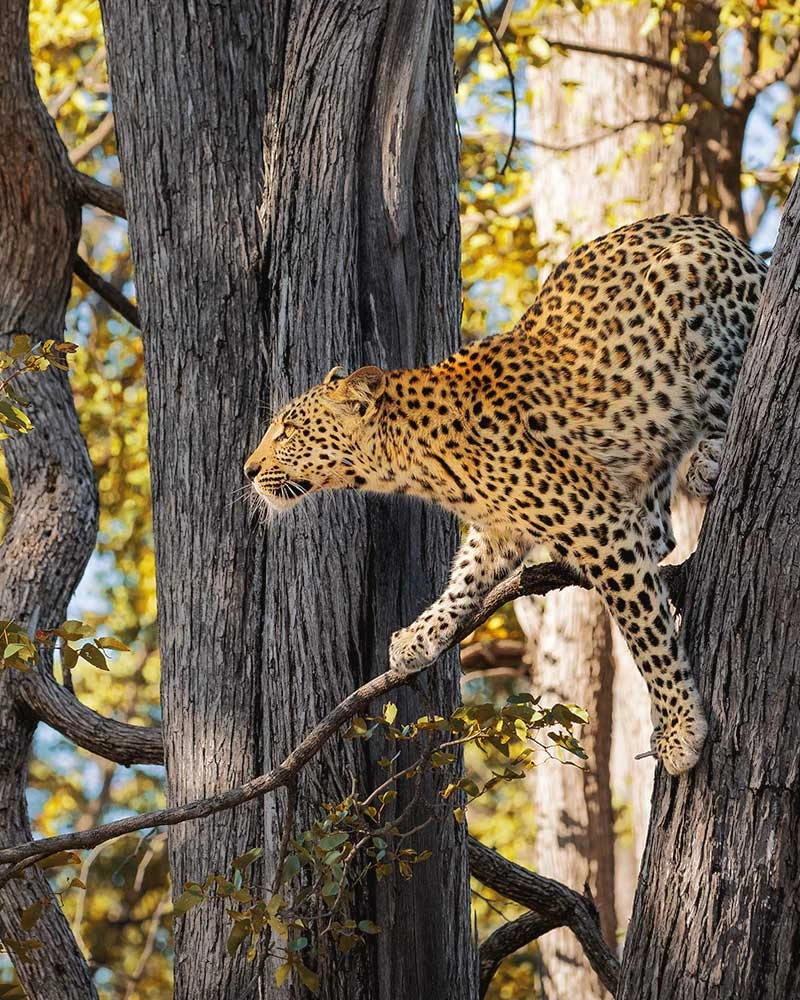
The Great Plains Foundation’s Big Cats Initiative secures land for Lions, Leopards and Cheetahs beyond Africa’s national parks.
Enter the program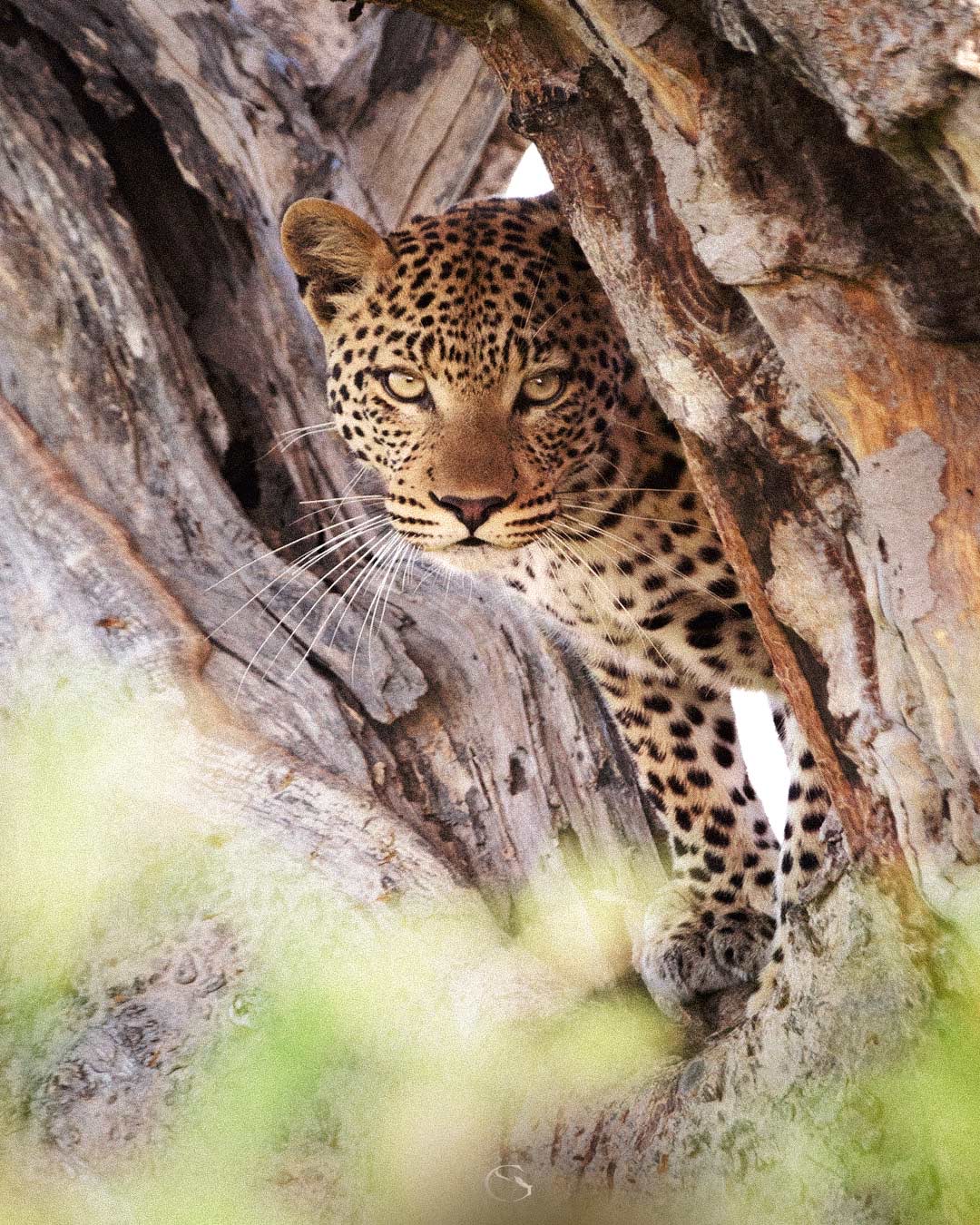
A Living Thread
Conservation at the heart of every journey
Over 30 years in Private African journeys.
Supporting key conservation initiatives across sub-Saharan Africa, Guided Safaris® journeys feature the continent’s finest private game reserves and award-winning eco-luxury camps and lodges that safeguard endangered wildlife through low-impact, sustainable travel.
We are honored to share our stories, safari craftsmanship and commitment to the African wilderness with you.
Discover Signature Journeys