
Program III · Big Cat
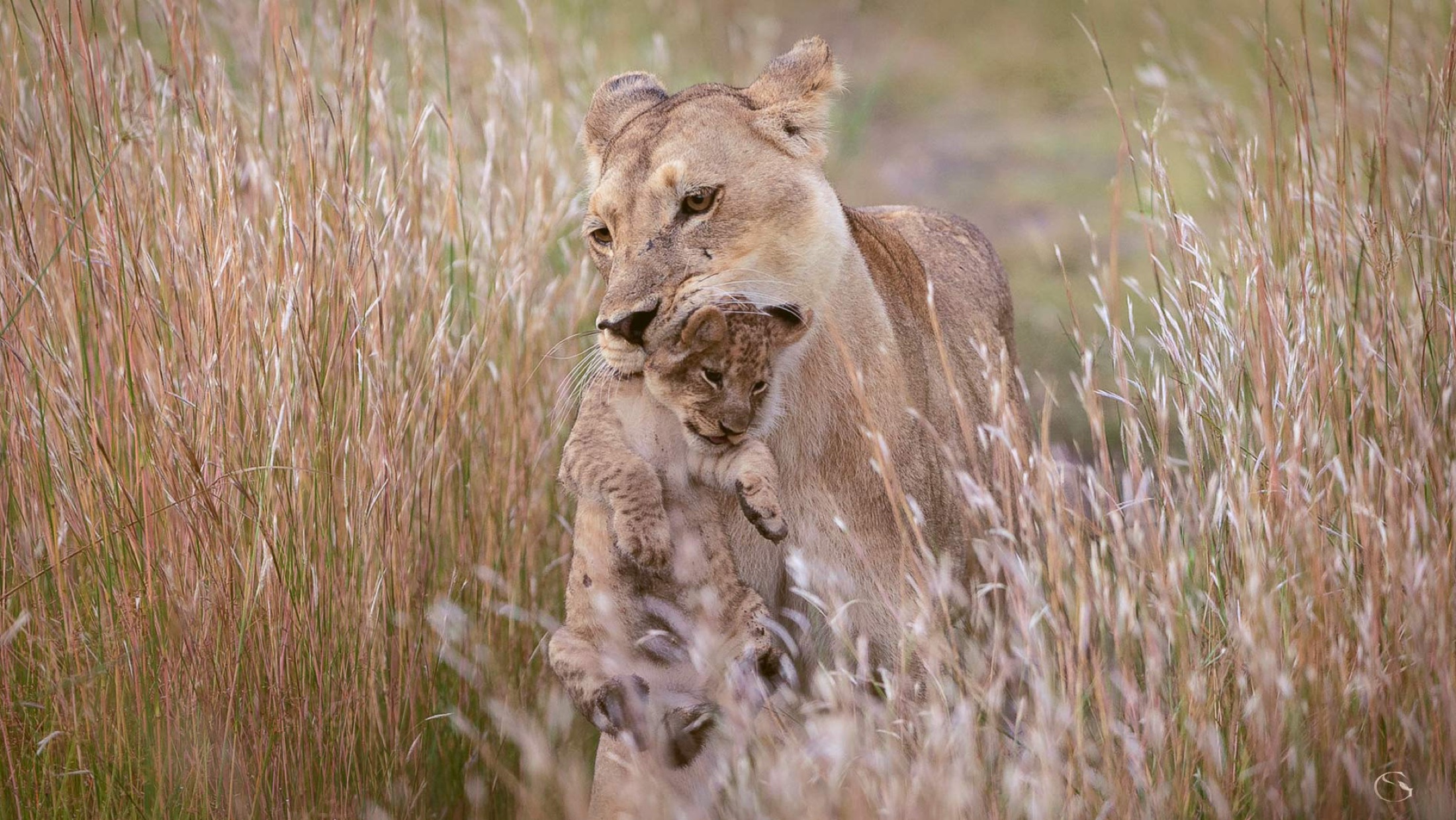
Lioness and cub
Bold ideas,wild cats
Big Cats need land. The Big Cats Initiative secures it beyond the national parks, working with the communities who live alongside Lions, Leopards and Cheetahs.
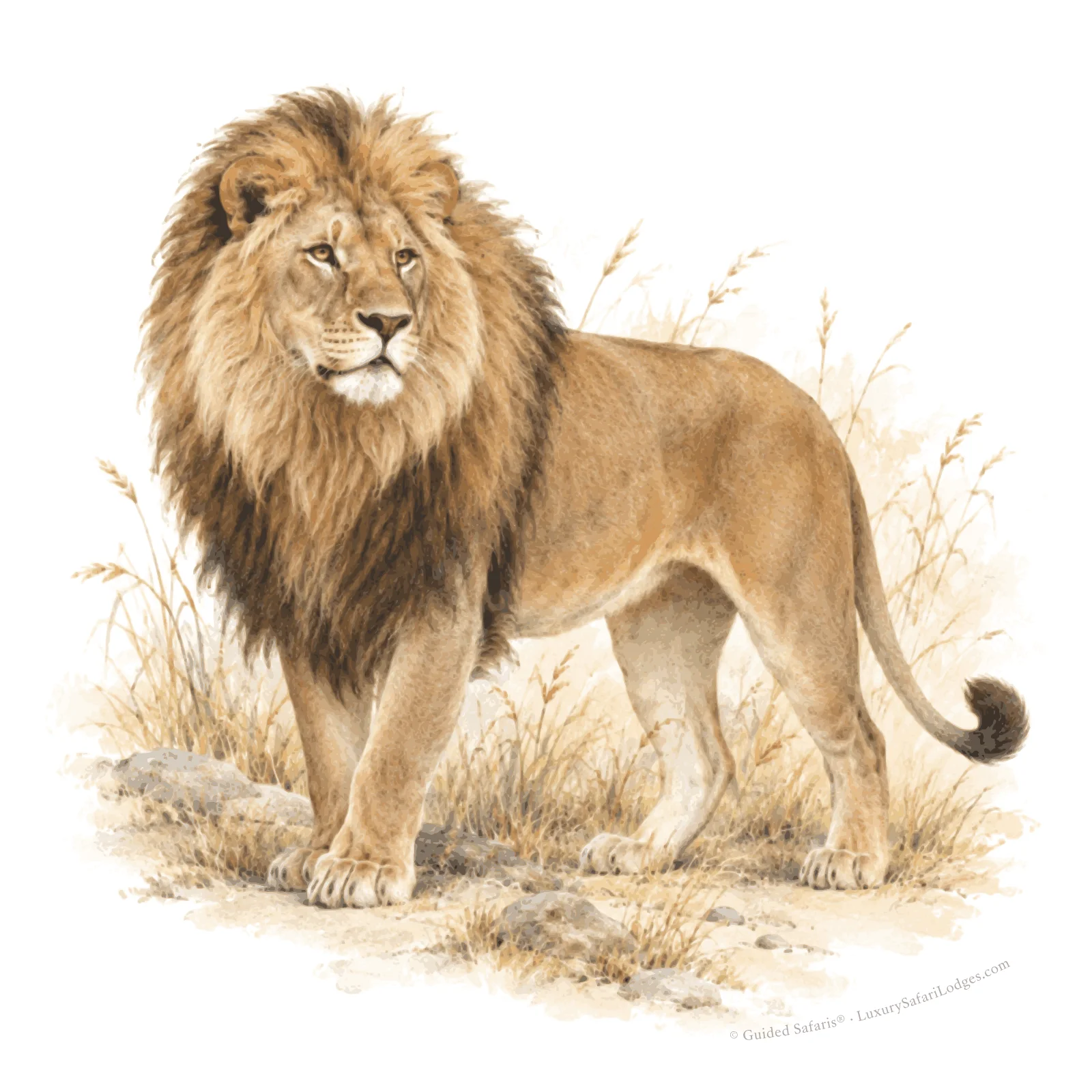
African Lion
Status
Vulnerable
3 crucial projects
- Big Cats Initiative
- The leopards of the Sabi Sand
- Living with lions
III · i
Big Cats Initiative
Pan-African · Great Plains Foundation · since 2009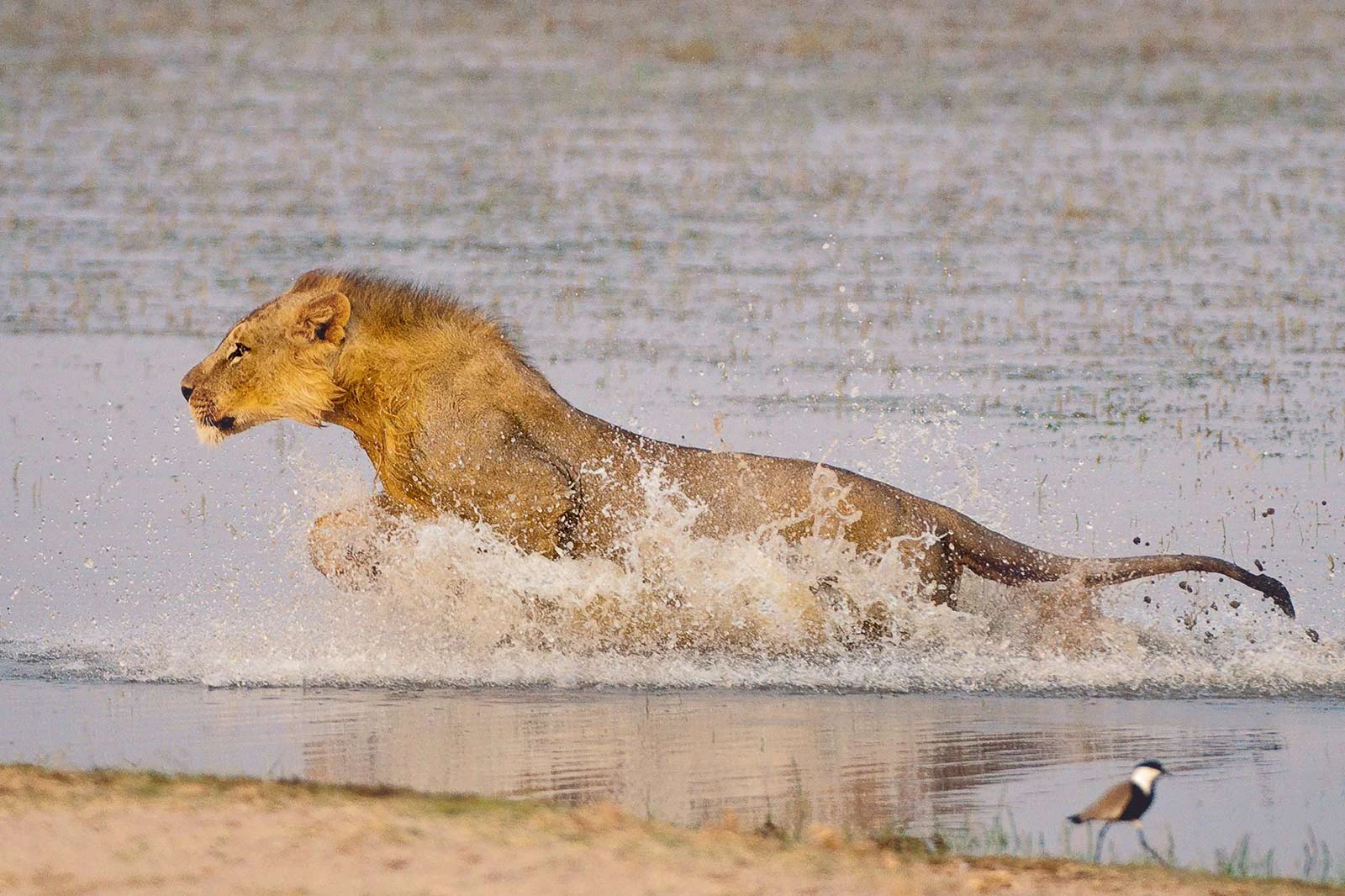
Founded with National Geographic
Big Cats Initiative
A lifelong goal, carried by Great Plains for Lions, Leopards and Cheetahs
The Big Cats Initiative began in 2009 with Dereck Joubert and the National Geographic Society, funding projects to halt the decline of Lions, Leopards and Cheetahs across their range. Since 2022, it has been run solely by the Great Plains Foundation, the Jouberts’ own foundation.
At the Kenya and Botswana camps in the Guided Safaris® journeys collection, each night carries a Great Plains Foundation conservation and community contribution. The Big Cats Initiative’s grants reach far past the camps: the Maasai Olympics in Kenya and communal cattle herding, which help herders and Lions share the land, CLAWS and Botswana’s Lions, the Lions of Kidepo in Uganda and the rangers guarding West Africa’s Lions in Senegal.
- Founded
- 2009 with the National Geographic Society
- Founders
- Dereck and Beverly Joubert Great Plains Foundation
- Impact
- Land, corridors and coexistence Lion-proof bomas, pastoral support and the Maasai Olympics
- Support
- Duba Plains · Mara Concessions $100 per guest per night, foundation contribution
Great Plains Foundation
More than a decade of the Big Cats Initiative’s fieldwork shows what Big Cats need most: room to roam and neighbors who can live alongside them. Great Plains backs the boldest ideas that deliver both, from new land and wildlife corridors to herders who keep their cattle and Lions apart.
The Great Plains Foundation’s grants are already at work. In Kenya, camera traps funded by Great Plains let the Tsavo Cheetah Project identify individual adult Cheetahs, mothers with young cubs among them. In Tanzania, Great Plains helps WASIMA build Lion-proof bomas with pastoral communities to keep livestock safe.
Great Plains Foundation
All of our work, filming, photography, research, tourism and the Big Cats Initiative, fits into a single lifelong goal, to make a difference for conservation
III · ii
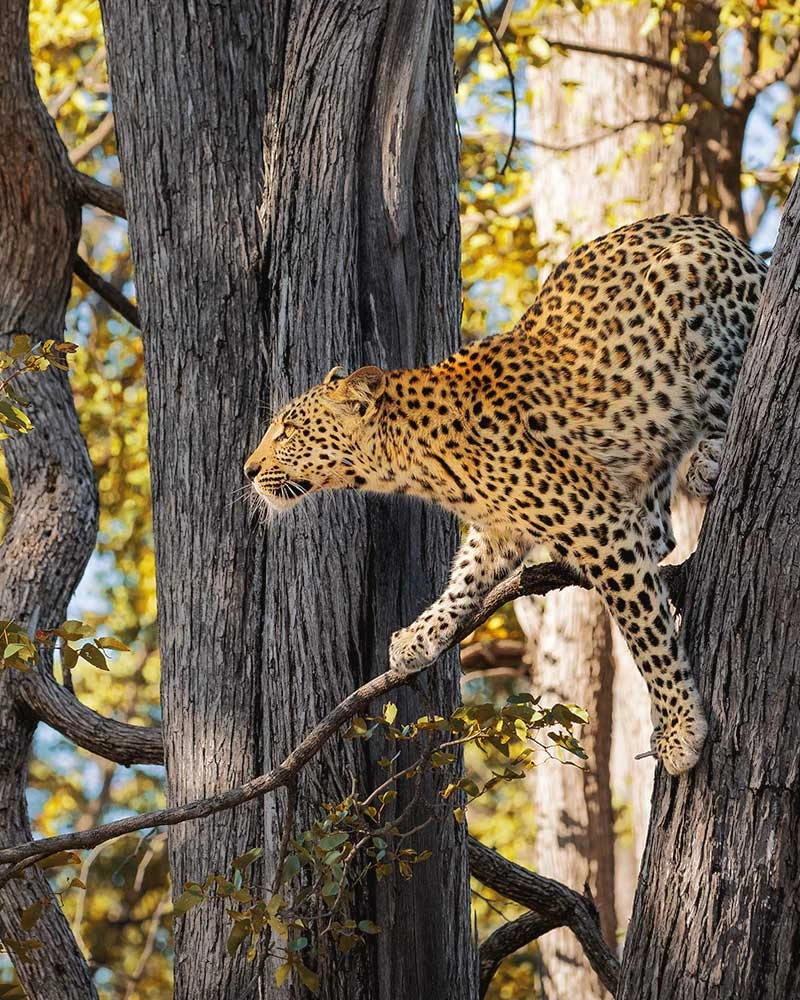
The leopards of the Sabi Sand
South Africa · Panthera · since 2009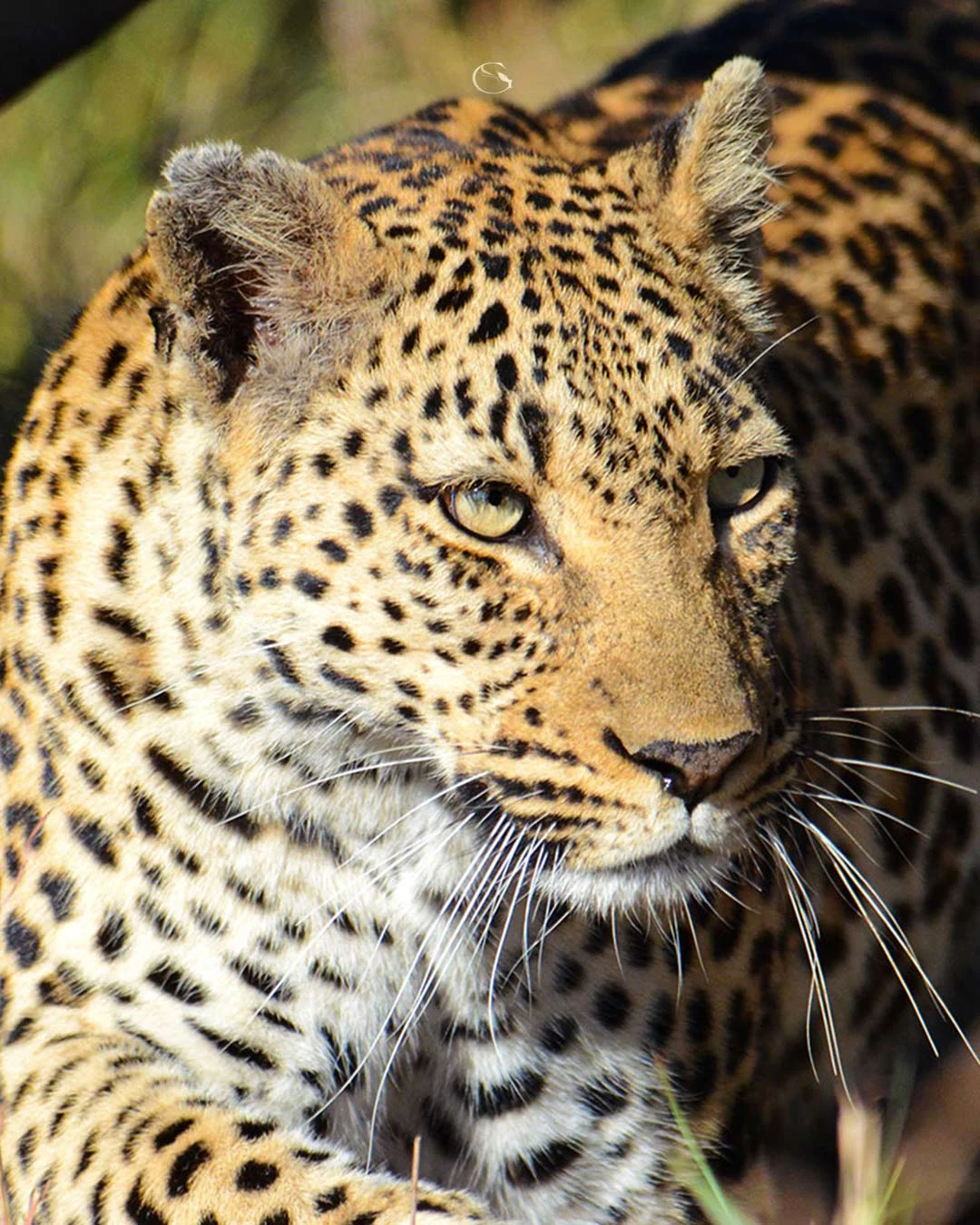
The leopard archive
800 leopards, known by their spots
Guides’ sightings, checked one by one, into science
In the Sabi Sand, open to Kruger since the last fences came down in 1993, guides have photographed and named leopards for decades. Panthera turns those sightings into checked life histories: more than 800 leopards since 1979 and more than 136,000 sightings by September 2026, with 18 lodges taking part. Fewer than 4 in 10 cubs reach independence, mothers care for cubs about 18 months, and infanticide caused about half of the cub deaths whose cause was known.
The guides get it right. For a 2020 genetic study, researchers checked a random sample of 121 guide photographs, and the guides had named the right leopard in every one.
- Life histories
- More than 800 leopards since 1979 · more than 500 litters
- Sightings
- More than 136,000 by · 18 participating lodges
- Cub survival
- 37% reached independence 44 females, 172 litters, 1979–2010
- Maternal care
- 18.3 months on average Range 9 to 35 months, 122 cubs studied
- Infanticide
- 45 of 91 cub deaths with a known cause, 2000–2012
- Density
- 11.8 ± 2.6 leopards per 100 km² Camera-trap survey Singita dates to 2017, published 2019
- Lodge partner
- Singita, since 1998 Conservation contribution of about $58 per guest per night
Guest diaries from Sabi Sands
In June 2013, a Guided Safaris® guest at Singita watched a male Leopard attack the Ravenscourt female while her 16-month-old cub was up a tree, and wrote in the diary that the cub seemed doomed either way. Singita’s field reports tell the rest: the young male survived.
“Independence was thrust brutally upon the Ravenscourt male,” Singita ranger Leon van Wyk wrote in June 2014. The young Leopard, then two and a half, still lived within the territory of the Kashane male, the legendary male Singita’s rangers knew as his father. In the months after the Ravenscourt female’s death, the Kashane male was seen with his son on a number of occasions, at times claiming a share of the young male’s kills. By 2017, the Ravenscourt male was one of the younger, stronger males that had pushed his own father, the aging Kashane male, into a smaller territory.
III · iii
Living with lions
Kenya · Big Life Foundation · since 2010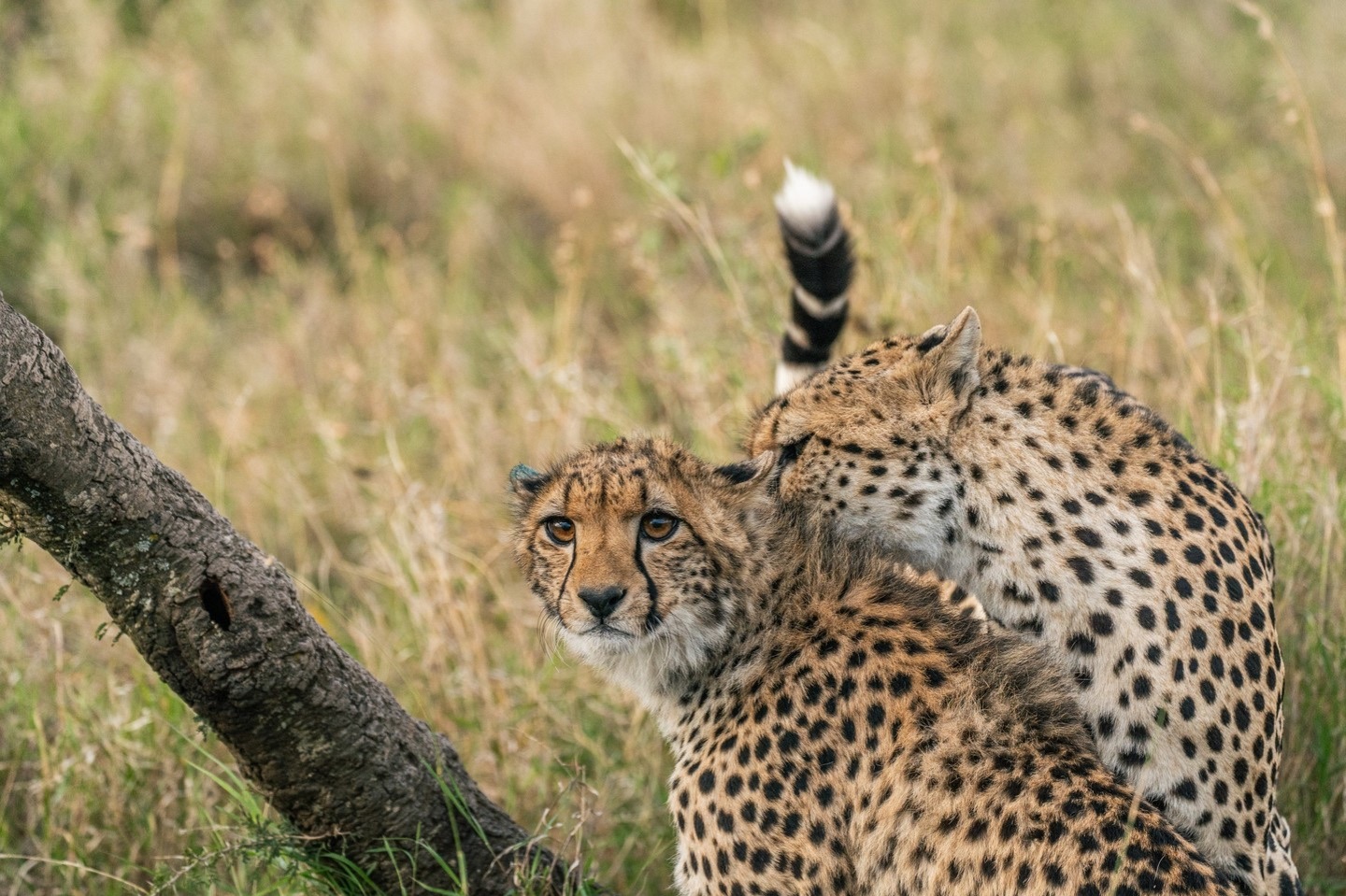
Predator Protection Program
Predator Compensation
How Big Life keeps predators and Maasai herds side by side
Around Amboseli, Big Life Foundation’s Predator Compensation Fund pays Maasai herders for livestock lost to Lions and other predators, so the predators can stay on the land the herds share. Richard Bonham began the fund in 2003, and since 2012 Big Life Foundation has run the fund alongside the Maasai Olympics and the foundation’s community rangers.
In the Mara, community conservancies around the national reserve keep open land for wildlife, and the conservancies’ rangers now include a growing number of women.
- Founded
- 2010 Big Life Foundation, Amboseli and the Chyulu Hills
- Founders
- Richard Bonham and Nick Brandt
- Impact
- Lions and herders sharing the land Predator compensation, rangers and the Maasai Olympics
- The Mara
- Community conservancies Open land for wildlife, with women among the rangers
Big Life Foundation
Big Life Foundation’s Predator Compensation Fund covers livestock lost to Lions, Leopards, Cheetahs and Hyenas, on condition that the predators are left unharmed. Verification officers confirm every loss in the field, and the community contributes a share of each payment. Two decades on, Amboseli’s Lions are one of the few populations in Africa that are growing.
Big Life Foundation
He stepped into his role as a bridge and ambassador between the community and the ecosystem’s predators, seeking ways to mitigate losses on both sides
Travel with the workSignature Guided Safaris® Journeys
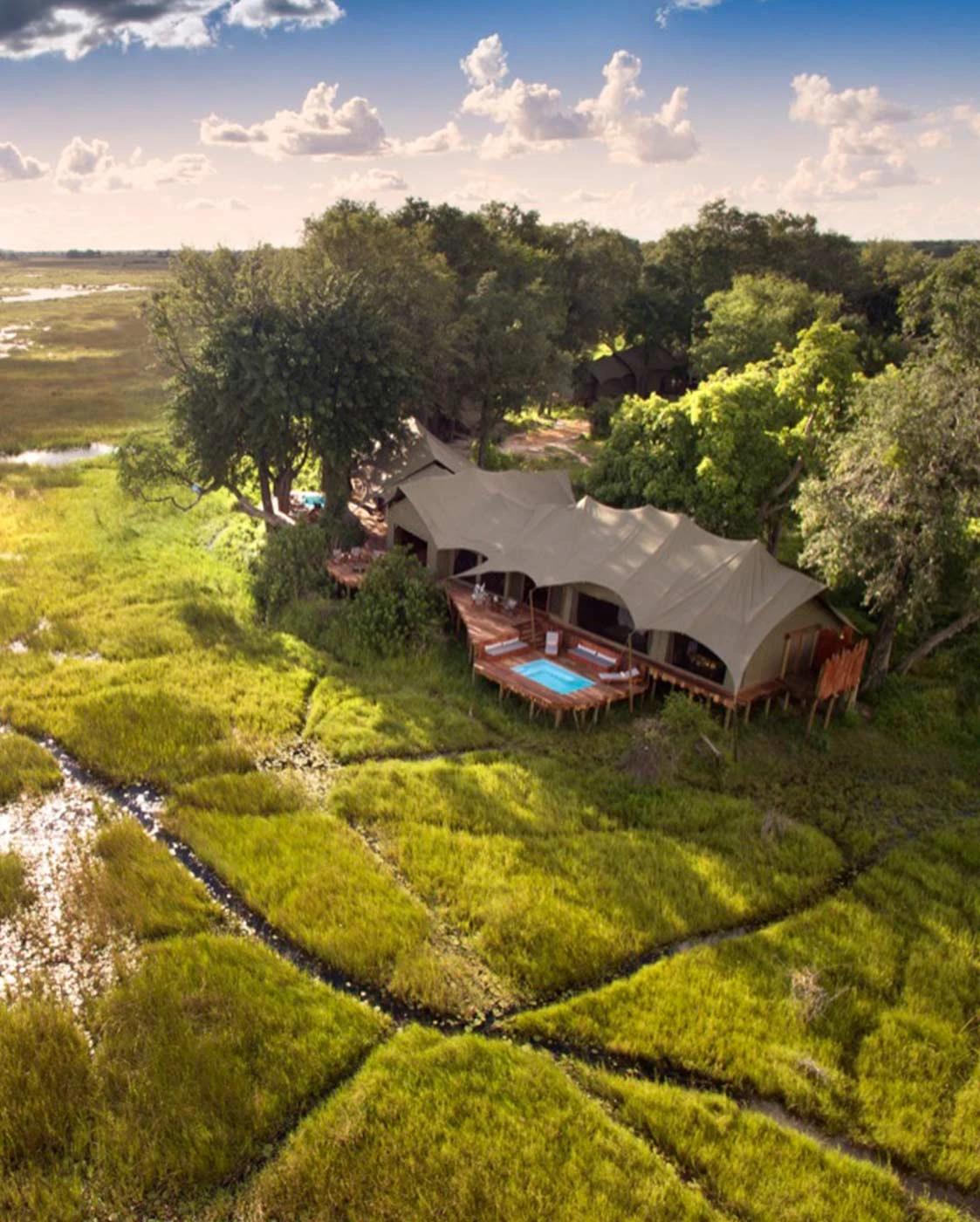
Duba Plains Camp
Great Plains’ camp, where the Jouberts filmed the Lion prides of the Duba Concession for decades.
The camp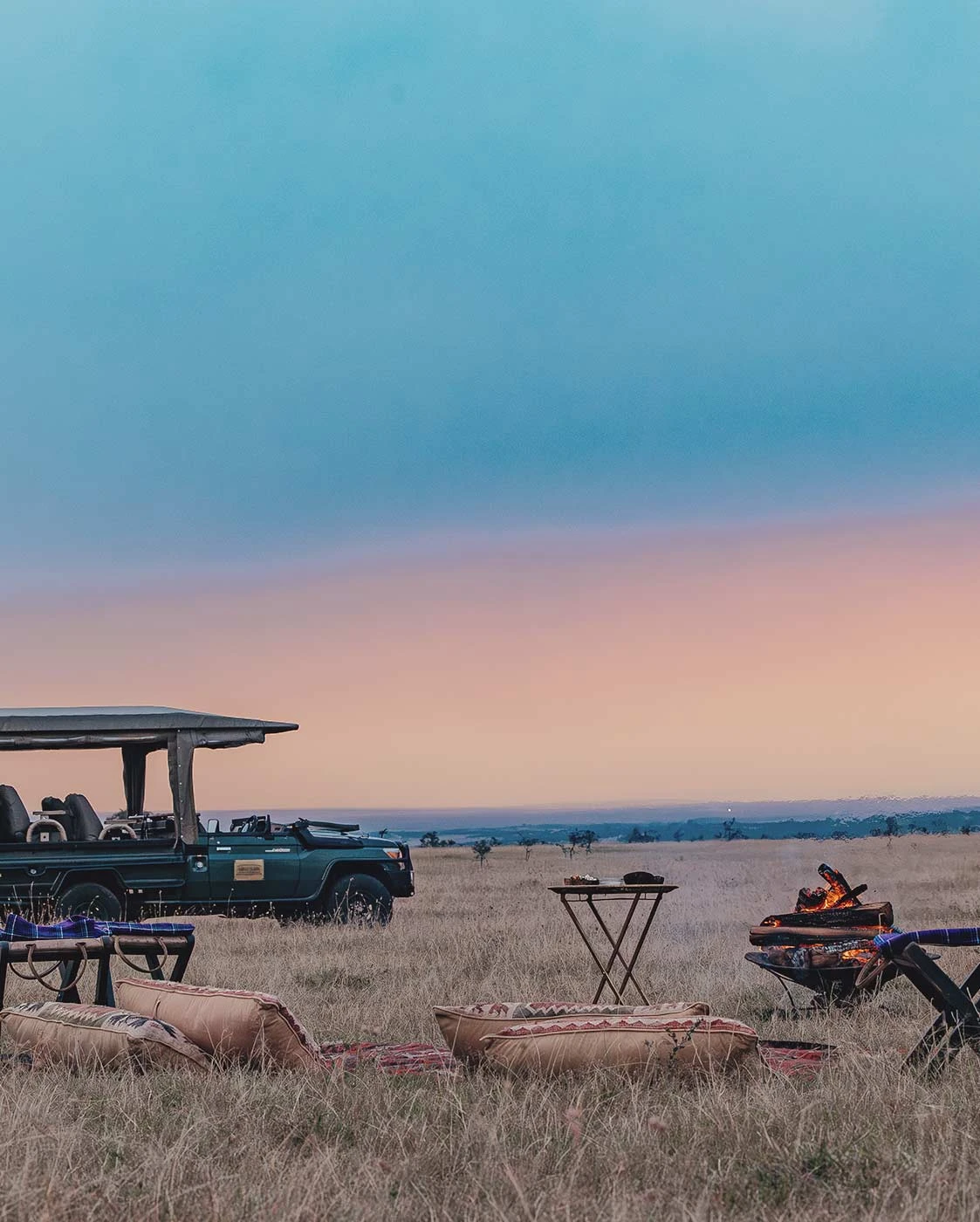
Private Kenya Safari
Kenya’s Big Cat country in one exclusive itinerary, from Segera to Private Mara on a private guided journey.
View journeyThe partnersOn the ground
- Great Plains FoundationBotswana · Kenya
- National GeographicBig Cats Initiative
- PantheraSabi Sand
- Big Life FoundationAmboseli
- CLAWS ConservancyOkavango
Working with travel partners and conservation projects in the field, the Guided Safaris® research lab teams share new ideas from across Africa that highlight key conservation efforts on ground. Staying in close contact throughout this supplier chain ensures that the whole network shares a responsible and innovative approach.
Next · Program IV
Gorilla
The Dian Fossey Gorilla Fund protects the Mountain Gorillas of Rwanda’s Virunga volcanoes, carrying on the work Dian Fossey began at Karisoke.
Enter the program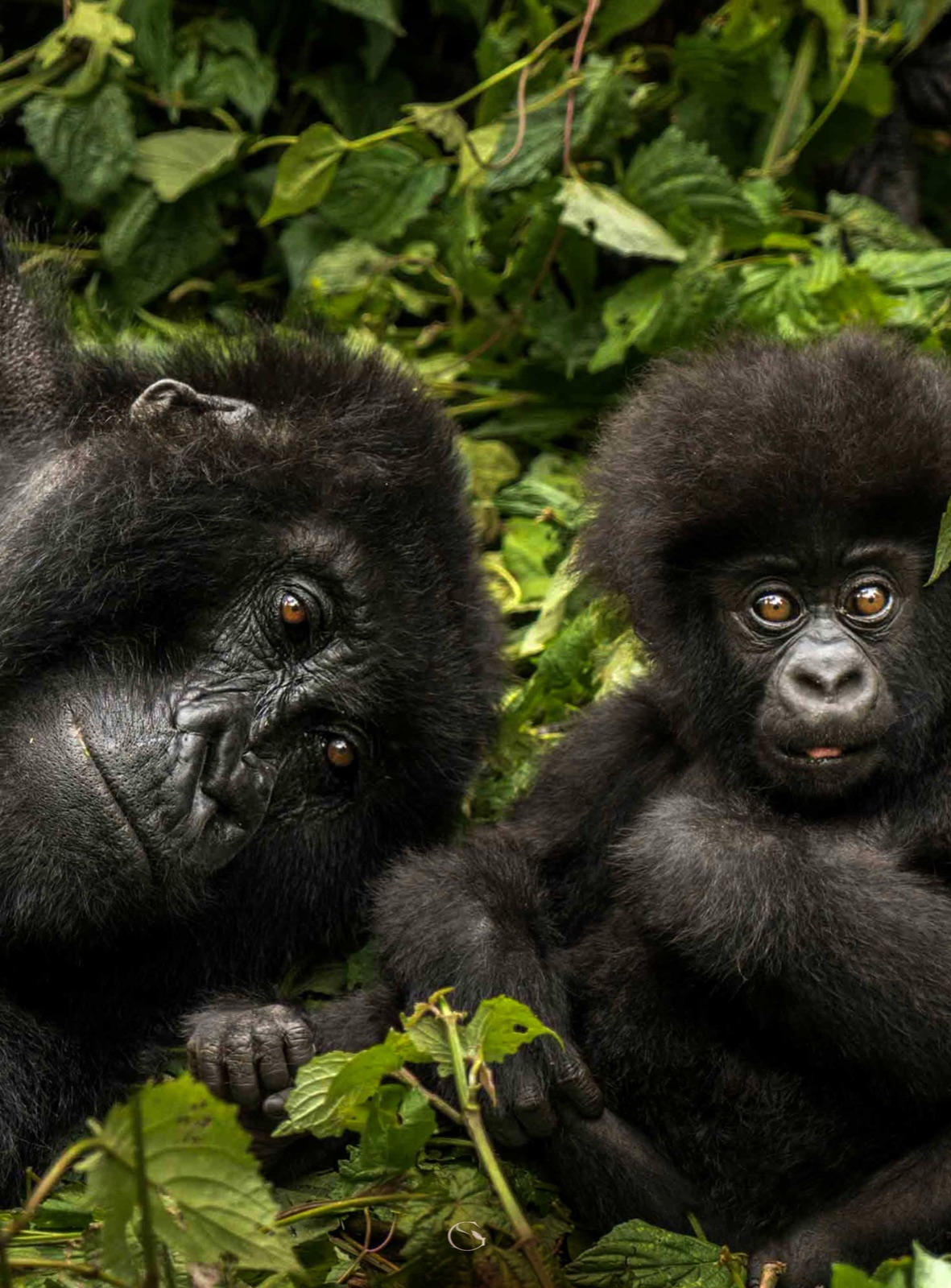
A Living Thread
Conservation at the heart of every journey
Over 30 years in Private African journeys.
Supporting key conservation initiatives across sub-Saharan Africa, Guided Safaris® journeys feature the continent’s finest private game reserves and award-winning eco-luxury camps and lodges that safeguard endangered wildlife through low-impact, sustainable travel.
We are honored to share our stories, safari craftsmanship and commitment to the African wilderness with you.
Discover Signature Journeys