
Program IV · Gorilla
Gorilla Archives · Guided Safaris® Research Lab
Land offire and ice
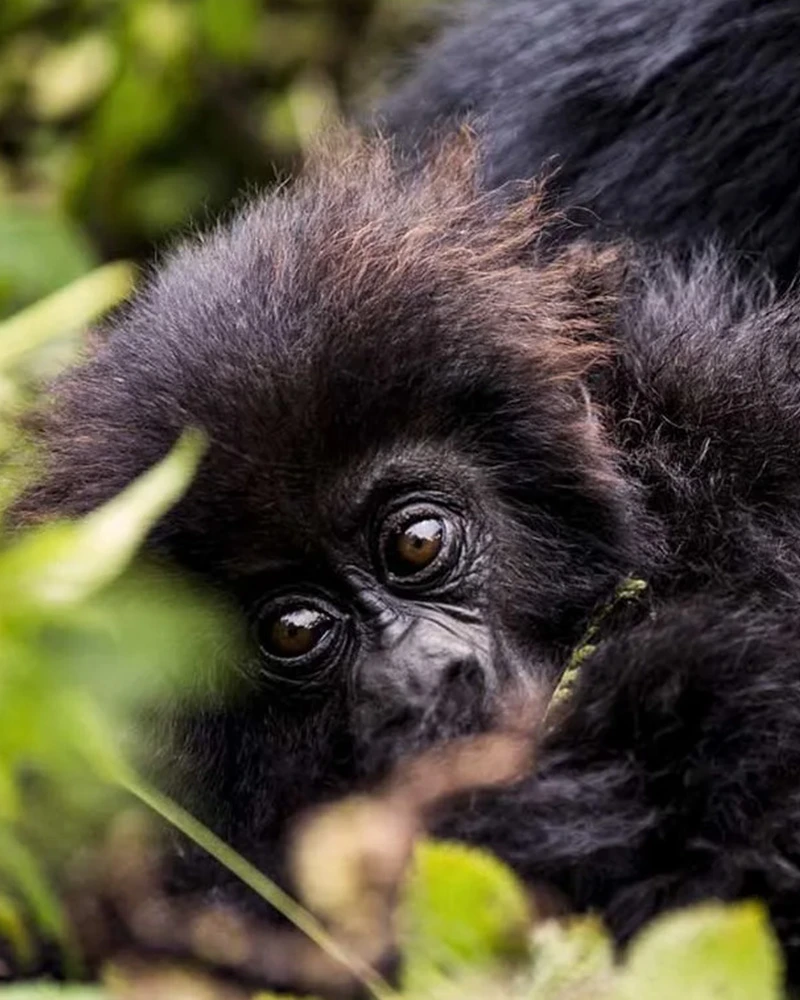
The Dian Fossey Gorilla Fund has observed and researched the Gorillas of the Virungas since 1967. Every day, the Fund’s trackers and researchers follow the Gorilla families through the bamboo and mountain forest of Rwanda’s volcanoes.
Mountain Gorilla
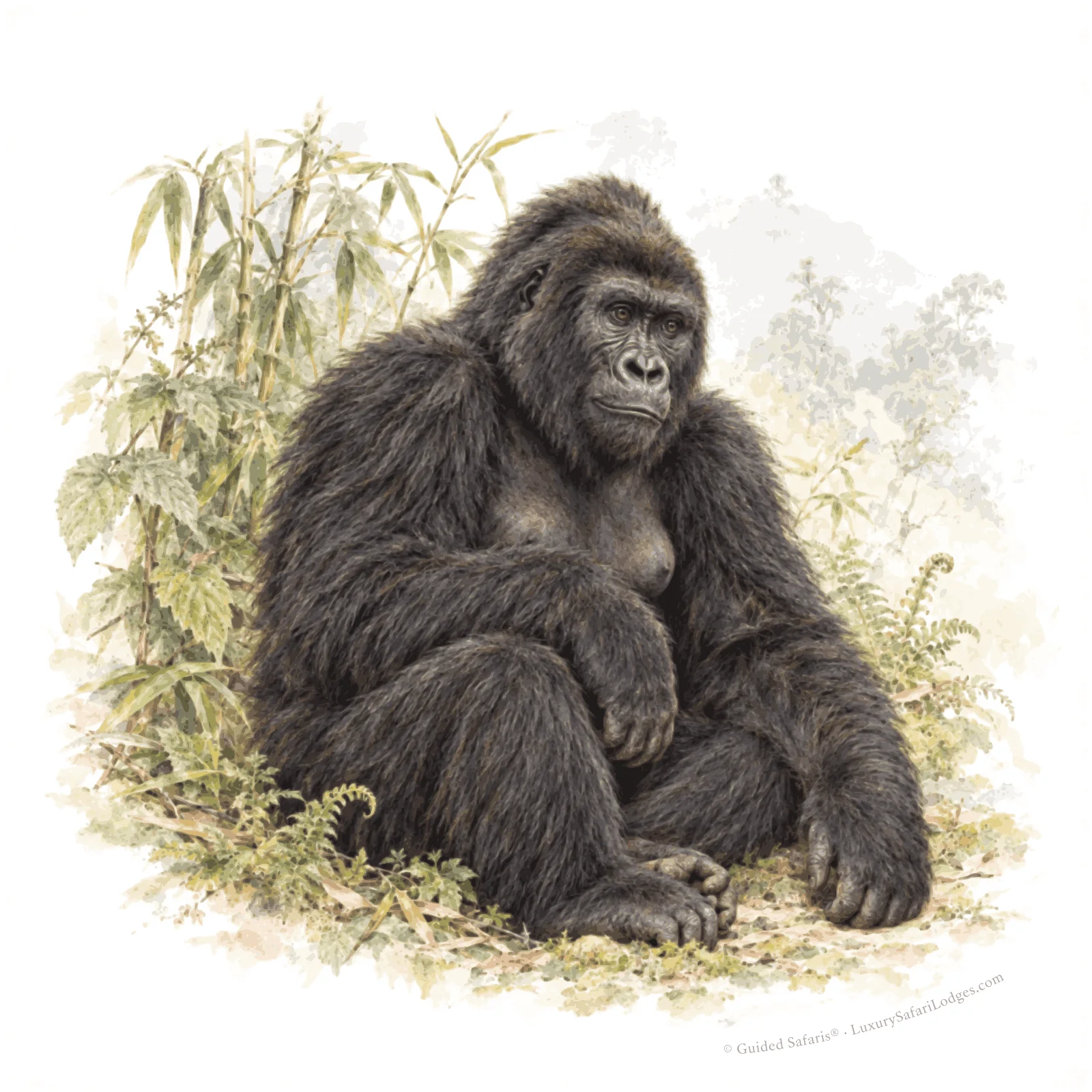
Status
Endangered
3 crucial projects
- Dian Fossey Gorilla Fund
- Gorilla Doctors
- East Africa’s Chimpanzees
Dian Fossey Gorilla Fund
In the heart of Central Africa, so high up that you shiver more than you sweat, are great, old volcanoes towering almost 15,000 feet, and nearly covered with rich, green rainforest—the Virungas.
IV · i
Dian Fossey Gorilla Fund
Karisoke · the Ellen DeGeneres Campus · Musanze · since 1967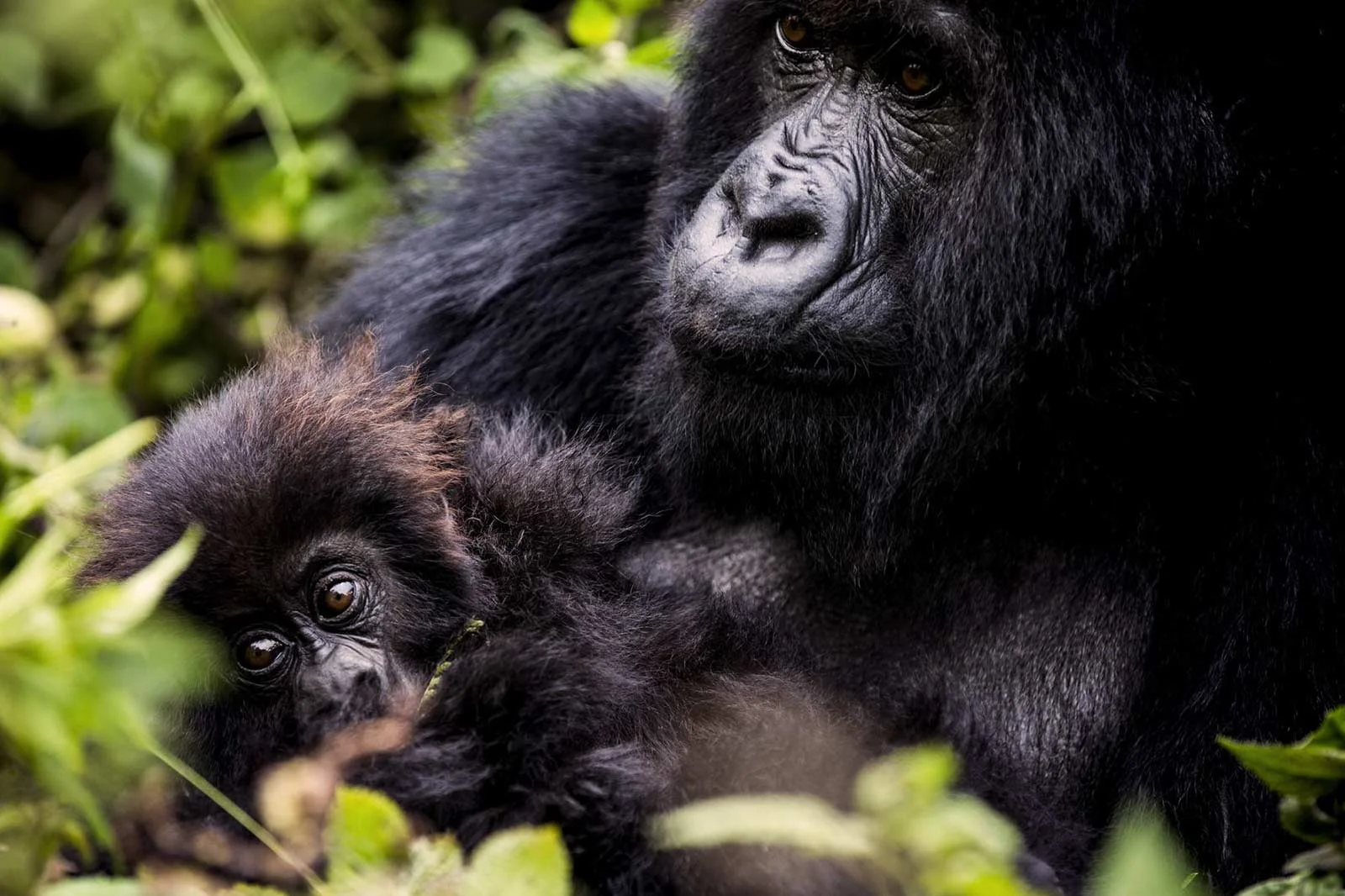
Karisoke
Patience, notebooks and nose prints
How Dian Fossey’s science changed the way the world sees Gorillas
Dian Fossey founded the Karisoke Research Center in September 1967, naming it for two of the Virunga volcanoes, Karisimbi and Bisoke. Louis Leakey had encouraged her to begin a long-term study of Mountain Gorillas, and she built on George Schaller’s earlier work, following his advice on letting the Gorillas grow used to human observers. Fossey’s aim was to watch the families without frightening them away, and she approached each one patiently until it accepted her presence.
Fossey worked with pen and paper, a manual typewriter and a camera, telling the Gorillas apart by the nose prints she sketched for each one, mapping the families’ ranges and typing up her field notes each night. Along the way she learned the Gorillas’ quiet feeding calls and took recordings of them to Cambridge, where she earned a doctorate. The Dian Fossey Gorilla Fund describes those notebooks as the beginning of one of the longest-running databases on any wild animal: known Gorillas, followed one by one across their lives.
Fossey’s work changed how the world saw Gorillas. Long pictured as savage beasts, they emerged in her research, and in Bob Campbell’s photographs of her work, as gentle, social animals. In 1983 she told their story in Gorillas in the Mist. The fund she started in 1978 is today the Dian Fossey Gorilla Fund, which still runs Karisoke. Her daily observations remain the foundation of the Fund’s work, carried on by the trackers and researchers who follow the descendants of the families she first came to know.
- Karisoke founded
- Dian Fossey
- The campus
- Ellen DeGeneres Campus for the fund Opened
- Gorillas
- 10 groups currently
- Plans
- Park expansion About 9,240 acres planned
The Ellen DeGeneres Campus
In February 2018, Portia de Rossi unveiled the Ellen Fund as a birthday gift for Ellen DeGeneres, and the Ellen Fund went on to lead the funding for the Dian Fossey Gorilla Fund’s first permanent, purpose-built home in Rwanda, with other donors funding particular facilities. Designed by MASS Design Group in Kinigi, in the foothills of Volcanoes National Park, the Ellen DeGeneres Campus opened to visitors in February 2022, on the Ellen Fund’s fourth anniversary.
Inside, the Cindy Broder Conservation Gallery moves from Dian’s World, with a re-created Fossey cabin holding original artifacts and a timeline that includes her passport and wristwatch, to the work of today’s conservation teams. A 360-degree theater, supported by Leonardo DiCaprio, and virtual reality take visitors into the forest with the Gorillas, and trails, a café and a shop of local crafts complete the visit. Beyond the gallery, the Sandy and Harold Price Research Center and the Rob and Melani Walton Education Center keep the campus a working home for science and teaching.
Gorilla Doctors
Gorillas we treated as infants are now thriving mothers.
IV · ii
Gorilla Doctors
Musanze · since 1986 · with UC Davis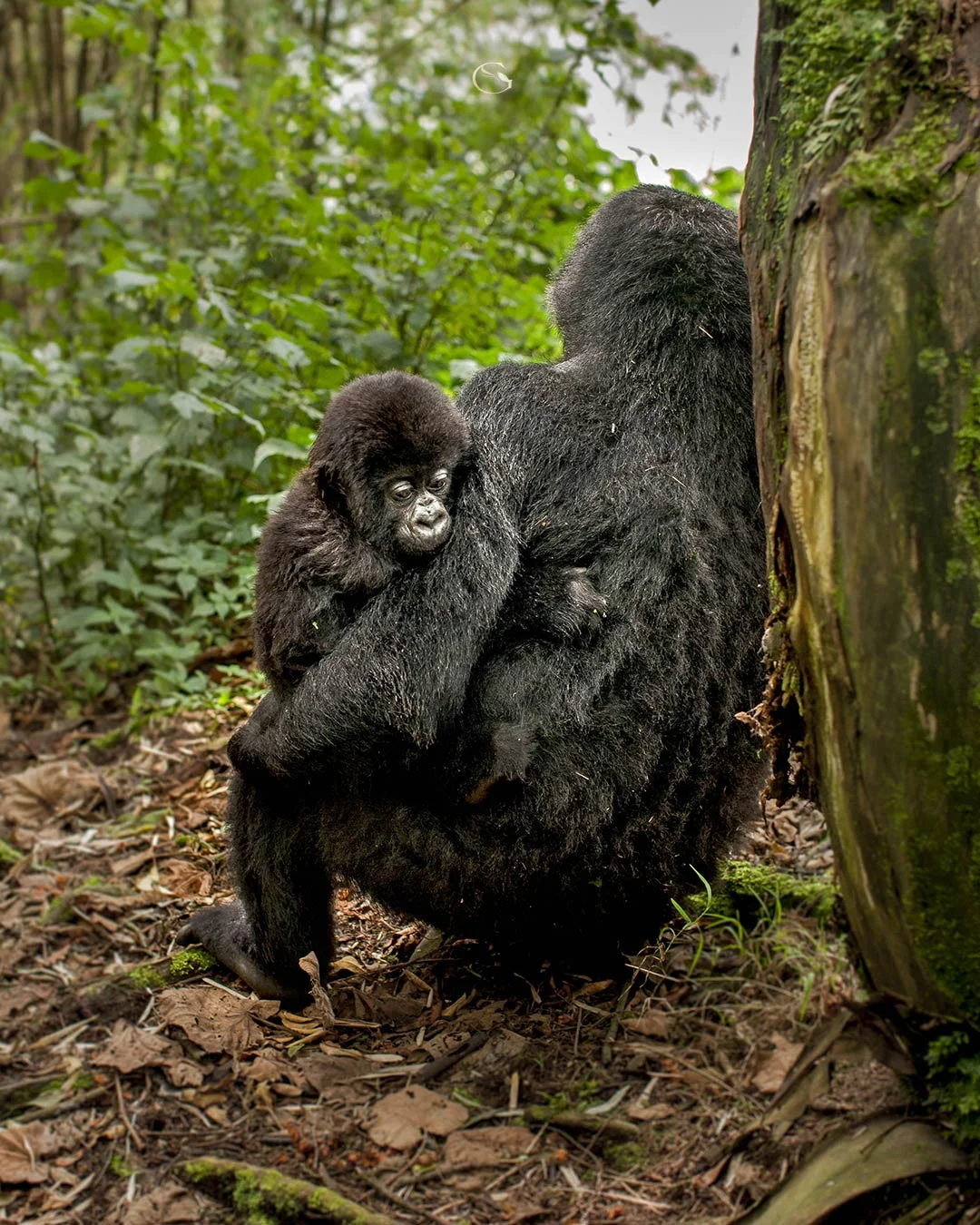
Veterinary care
House calls deep in the forest
Four decades of care, begun at Dian Fossey’s call for a vet
Gorilla Doctors began with Dian Fossey. In 1984 she called for a veterinarian to care for the Mountain Gorillas, and with Ruth Keesling’s help the Morris Animal Foundation agreed to fund one. In 1986 James Foster set up the Volcano Veterinary Center in Rwanda, the beginning of the Mountain Gorilla Veterinary Project and of today’s Gorilla Doctors, and since 2009 the work has been a partnership with the University of California, Davis.
Gorilla Doctors’ veterinarians check on the habituated Gorilla families in the forest and, when a Gorilla is caught in a snare or wounded, treat it where it lives, under full anesthesia when needed. Daily monitoring by the trackers lets the vets spot illness and injury early. A long-term study of the Virunga Gorillas found that the families watched and cared for every day grew fastest, and estimated that veterinary care could explain up to 40 percent of the difference.
- Since
- 1986
- Partner
- University of California, Davis, since 2009
- Headquarters
- Musanze, Rwanda
- Work
- Veterinary care · Surgery · Lab research
- Cost per intervention
- US$ 3,800 Average to treat one Gorilla in need of medical care
Case study
In 2000, trackers from the Dian Fossey Gorilla Fund called the vets to Mitimbili, a female of the Pablo group caught in a snare. A tracker cut her free from the pole the snare was tied to, and the next day veterinarian Tony Mudakikwa and Elisabeth Nyirakaragire, a veterinarian with Rwanda’s park authority, removed the snare with the trackers’ help. Mitimbili made a full recovery, and in 2005 she gave birth to her first infant, a male later named Ubwuzu.
At 11 months old Ubwuzu fell seriously ill, and the vets treated him with antibiotics delivered by dart. Ubwuzu grew up to lead the Pablo group, which the Fund’s trackers have long followed in Volcanoes National Park. Since 2009 the vets have worked in partnership with the University of California, Davis: UC Davis wildlife veterinarian Kirsten Gilardi led the Mountain Gorilla One Health Program at its launch that year, looking after the Gorillas’ health together with that of the people and livestock around them, and Gorilla Doctors works today with the university’s Karen C. Drayer Wildlife Health Center.
Jane Goodall Institute
You cannot get through a single day without having an impact on the world around you… You have to decide what kind of difference you want to make.
IV · iii
East Africa’s Chimpanzees
Nyungwe · Jane Goodall Institute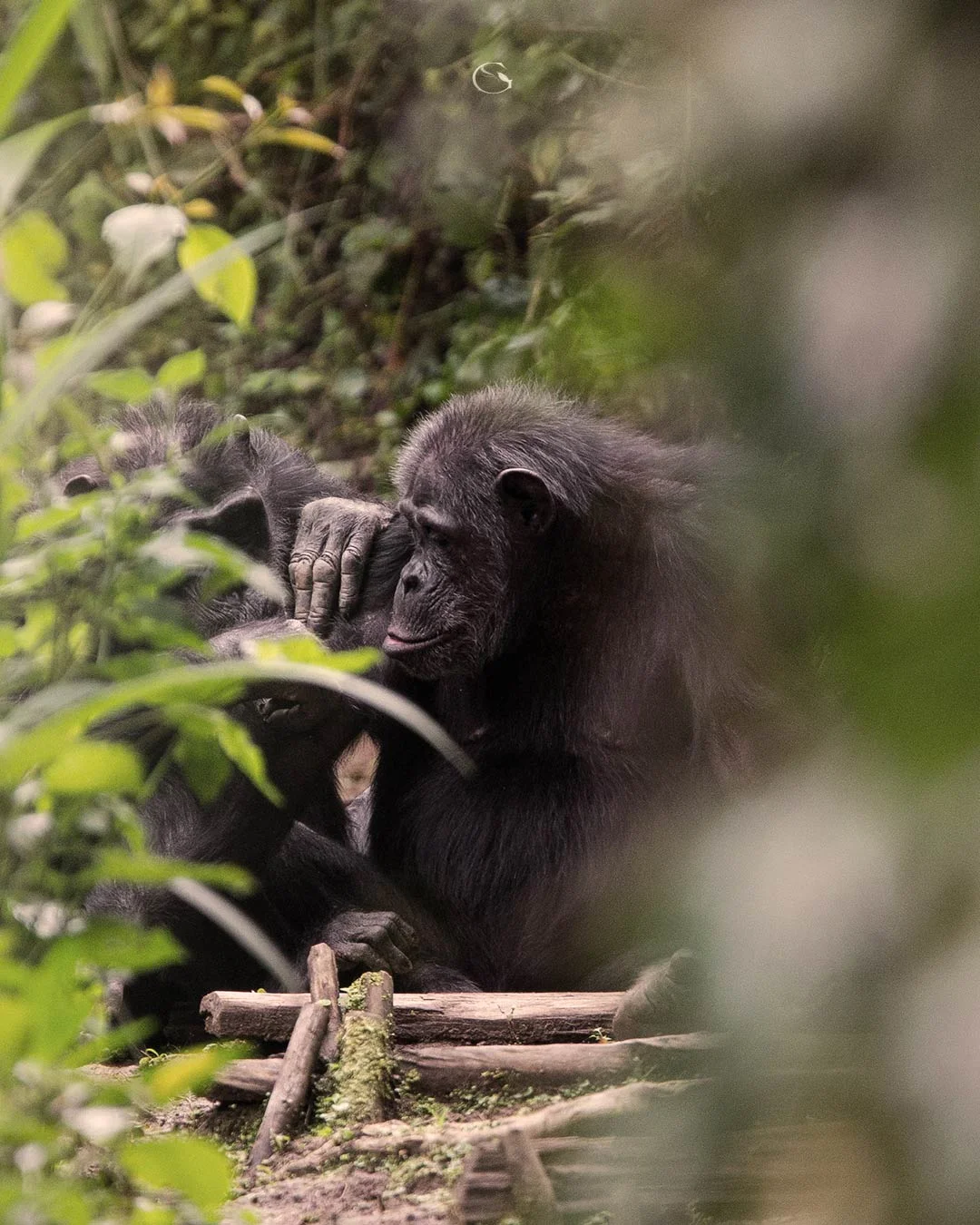
Primates · Chimpanzees
Chimpanzees of the high rainforest
Nyungwe’s mountain rainforest and the primates it shelters
Nyungwe National Park protects more than 250,000 acres of mountain rainforest in Rwanda’s southwest, running on into Burundi’s Kibira National Park as one forest. Nyungwe holds Rwanda’s largest population of wild Chimpanzees, Eastern Chimpanzees that the Wildlife Conservation Society (WCS) says live at one of the highest altitudes yet recorded for the species. Many more primates share the forest: the Rwenzori Colobus, which gather in groups of several hundred, by the park’s account the largest of any primate in Africa; L’Hoest’s Monkeys, which WCS says have been habituated and studied intensively only here; Blue Monkeys and Grey-cheeked Mangabeys; and the Owl-faced Monkey, whose only known East African population lives in Nyungwe’s bamboo.
The forest is just as rich beyond the primates, with more than a thousand plant species, among them some 200 orchids; hundreds of birds, including most of the Albertine Rift’s endemic species; and Hill’s Horseshoe Bat, which Bat Conservation International knows from Nyungwe alone. Protected since 1933 and a national park since 2005, Nyungwe has been managed since 2020 by African Parks with the Rwanda Development Board, and in September 2023 UNESCO inscribed Nyungwe as Rwanda’s first World Heritage Site. WCS began work here in 1984, with a research station at Uwinka. Today African Parks’ teams collect behavioral data on the habituated Chimpanzee groups, restore burned ground by cutting back the bracken so native trees return on their own, and monitor the forest’s rare bats with Bat Conservation International.
- In the wild
- Nyungwe Forest
- Primates
- 13 species Chimpanzees, Rwenzori Colobus and L’Hoest’s Monkeys
- Kenya
- Opened 1993 at Ol Pejeta With Jane Goodall Institute and Kenya Wildlife Service
- Research
- Since 1960 at Gombe Jane Goodall Institute research
Jane Goodall’s Chimpanzees
Jane Goodall arrived at Gombe, on the eastern shore of Lake Tanganyika in Tanzania, in July 1960, encouraged by Louis Leakey to study living apes. That November she watched a Chimpanzee known as David Greybeard fish termites from their mound with a stem, and soon saw Chimpanzees strip leaves from stems to make tools of their own, an observation that helped win National Geographic’s support for her work. Knowing every Chimpanzee as an individual, Goodall began a record of whole lives that a Tanzanian field team carries on today, revealing Chimpanzee families, friendships and learning in rich detail. From 1986 Goodall turned to wider conservation advocacy, and in 1993 Ol Pejeta opened the Sweetwaters Chimpanzee Sanctuary, a lifelong home for Chimpanzees rescued from trafficking and captivity, under an agreement with the Kenya Wildlife Service and the Jane Goodall Institute she founded in 1977.
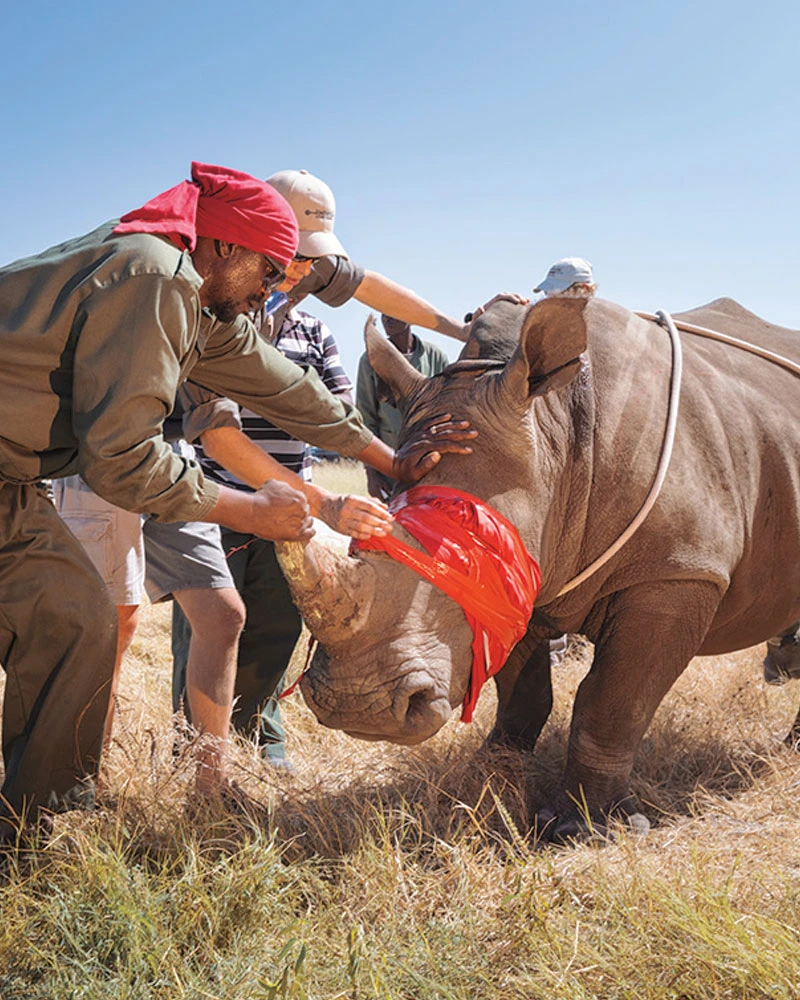
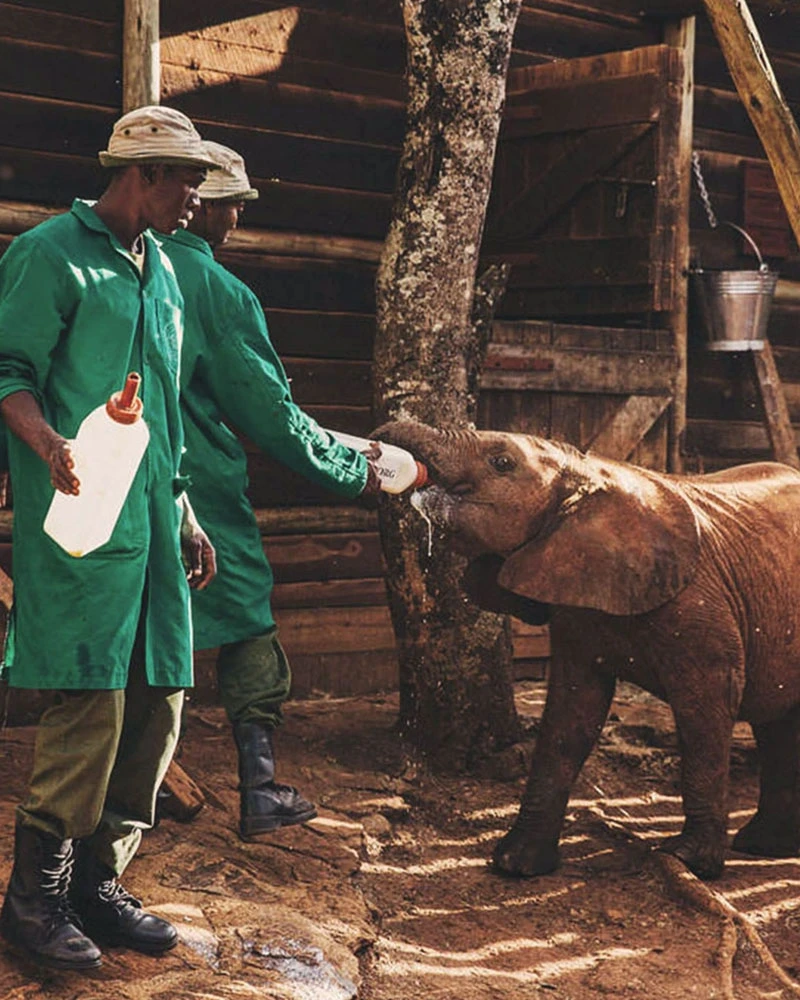
Travel with the workSignature Guided Safaris® Journeys
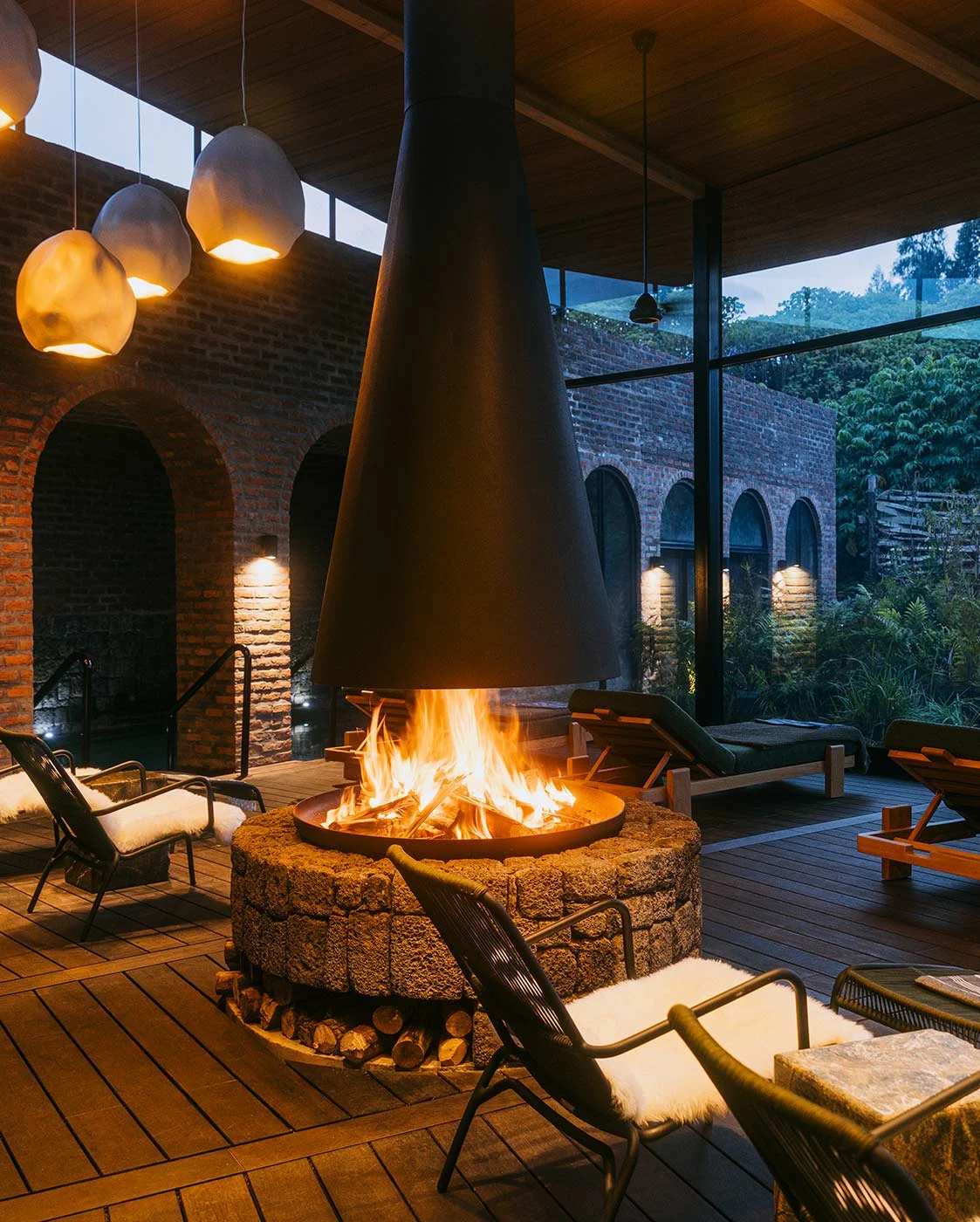
Bisate Lodge
Rwanda’s finest lodge, with six suites in the natural amphitheater of a volcanic cone and wraparound views of the Virungas.
The lodge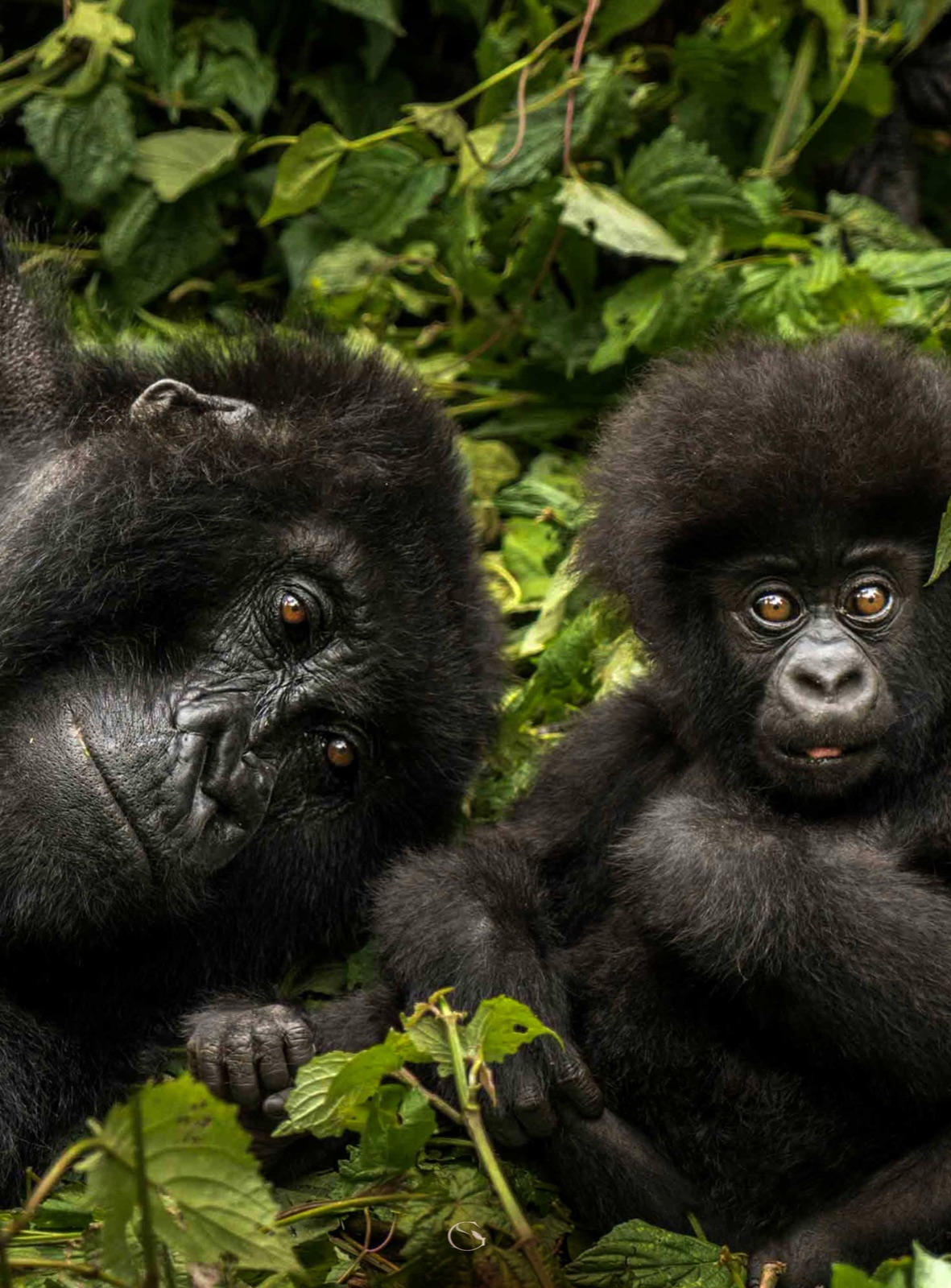
Private Gorilla Safari
From the Gorillas of Rwanda’s Volcanoes National Park to the Big Cats of the Masai Mara, on one private journey.
View journeyThe partnersOn the ground
- Dian Fossey Gorilla FundRwanda
- Gorilla Doctors · UC DavisRwanda
- Rwanda Development BoardRwanda
- Jane Goodall InstituteKenya · Tanzania
- African Wildlife FoundationPark expansion
- Ol Pejeta ConservancySweetwaters
Working with travel partners and conservation projects in the field, the Guided Safaris® research lab teams share new ideas from across Africa that highlight key conservation efforts on ground. Staying in close contact throughout this supplier chain ensures that the whole network shares a responsible and innovative approach.
Next · Program V
Marine Life
The Bazaruto Center for Scientific Studies records Mozambique’s Bazaruto seascape around the clock, home to Southern Africa’s main remaining Dugongs.
Enter the program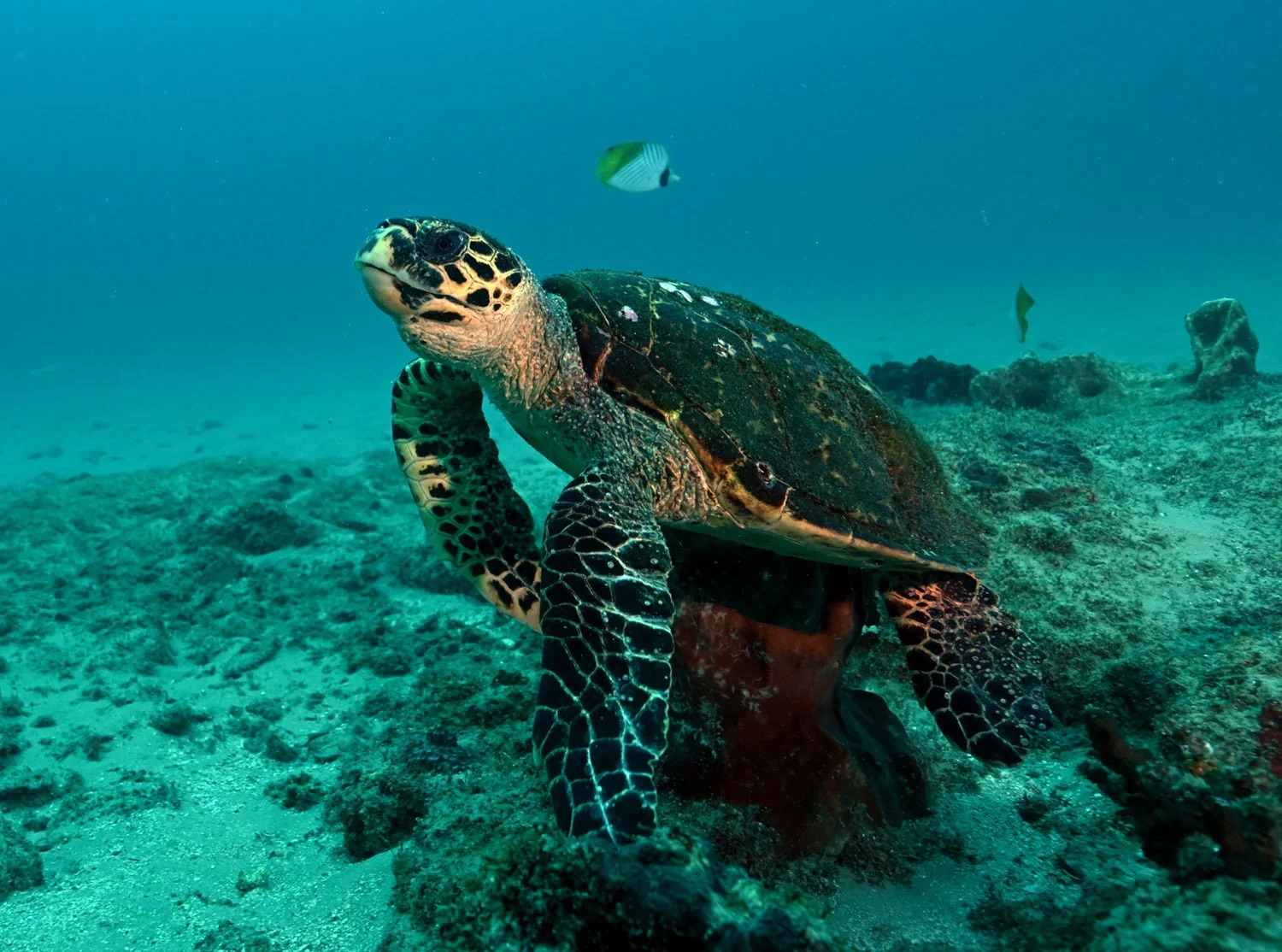
A Living Thread
Conservation at the heart of every journey
Over 30 years in Private African journeys.
Supporting key conservation initiatives across sub-Saharan Africa, Guided Safaris® journeys feature the continent’s finest private game reserves and award-winning eco-luxury camps and lodges that safeguard endangered wildlife through low-impact, sustainable travel.
We are honored to share our stories, safari craftsmanship and commitment to the African wilderness with you.
Discover Signature Journeys