
Program V · Marine Life
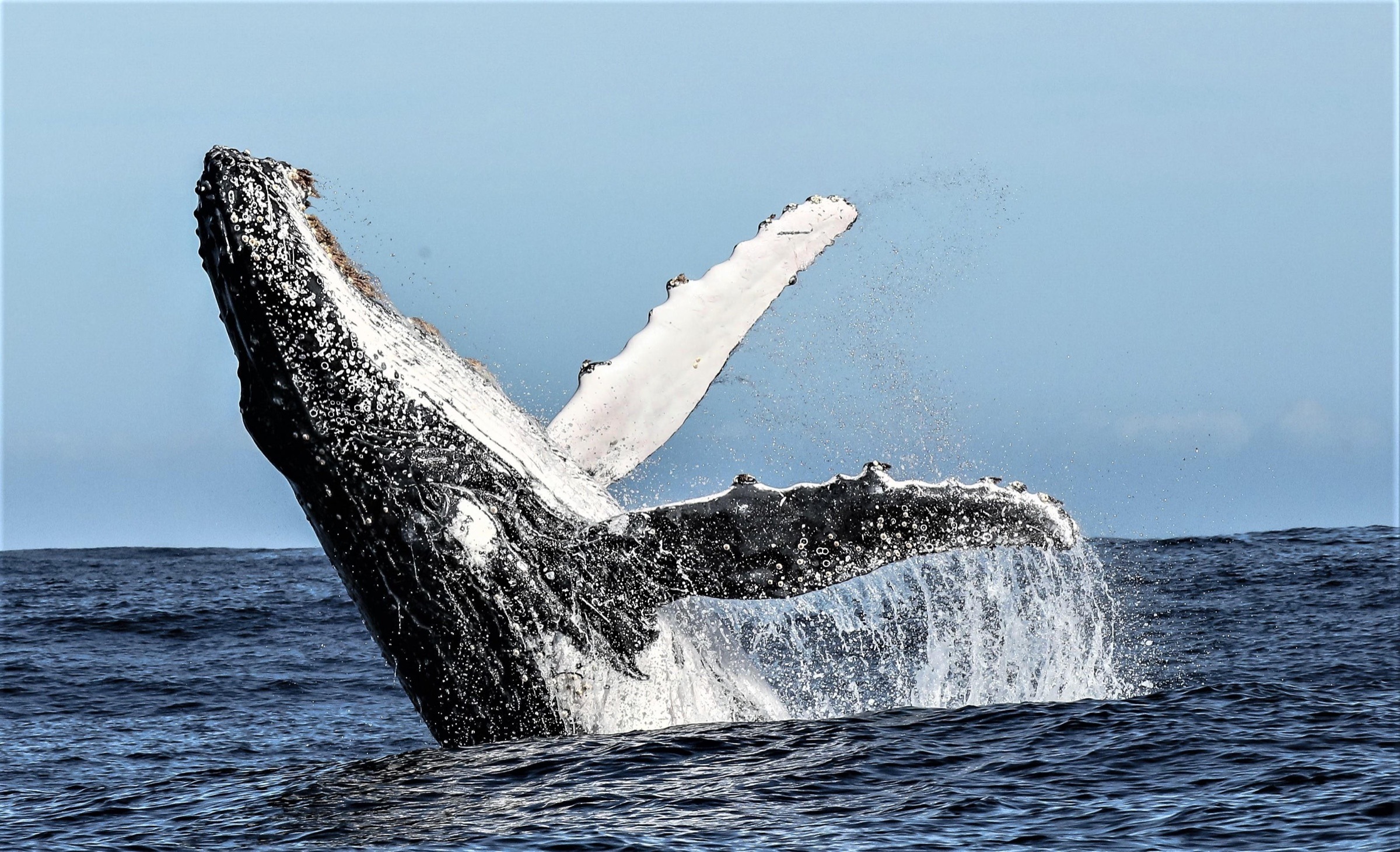
Humpback whale · Walker Bay, South Africa
Readingthe ocean
In the Bazaruto seascape, Southern Africa’s main remaining Dugongs share the water with Humpback Whales, Reef Mantas and Bull Sharks. Off Madagascar’s coast, the Time + Tide Foundation protects Lemurs and Turtles on Miavana’s island.
Dugong
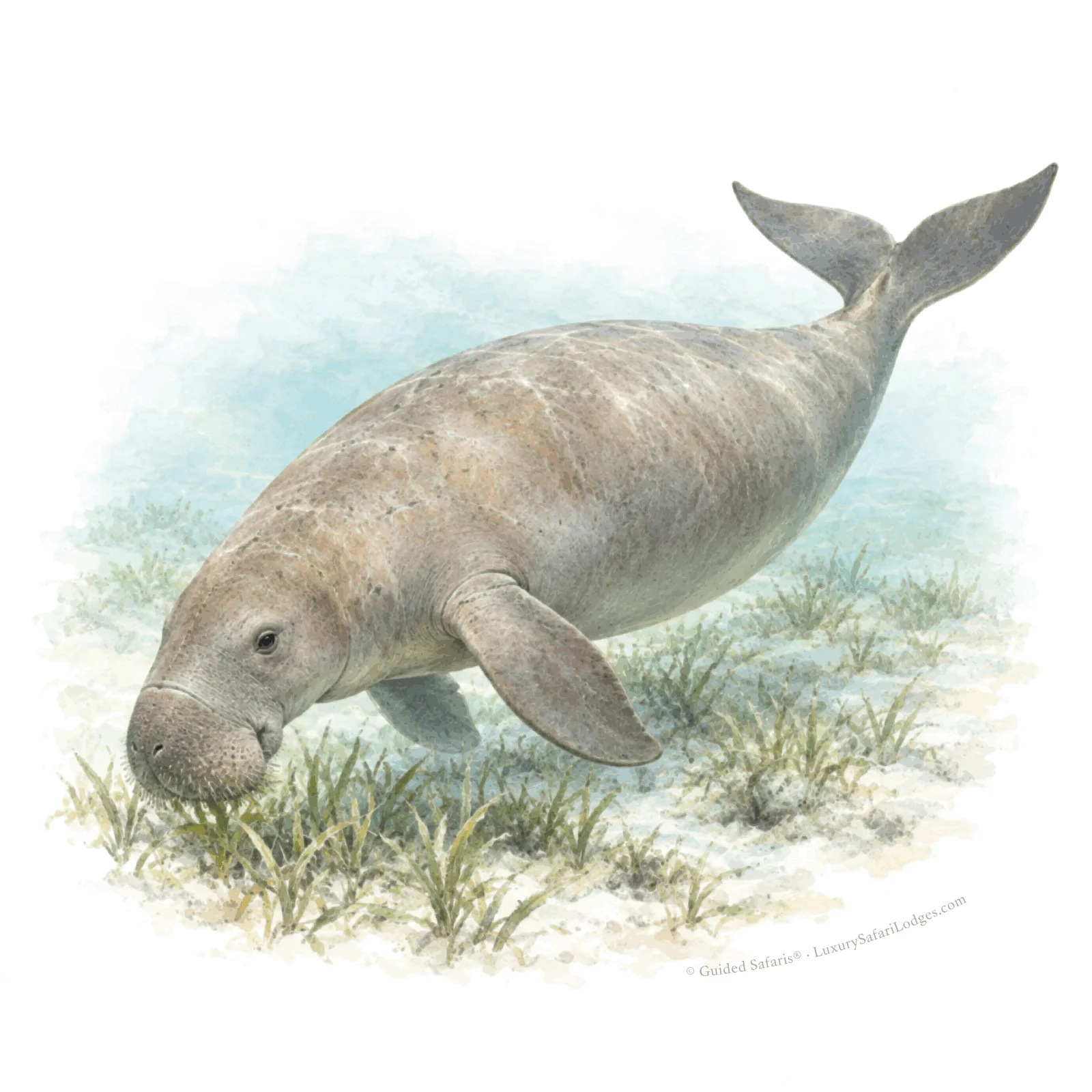
Status
Critically endangered
3 crucial projects
- Bazaruto Center for Scientific Studies
- Miavana Island
- Bazaruto Archipelago
V · i
Bazaruto Center for Scientific Studies
Benguerra Island · with Kisawa Sanctuary · since 2017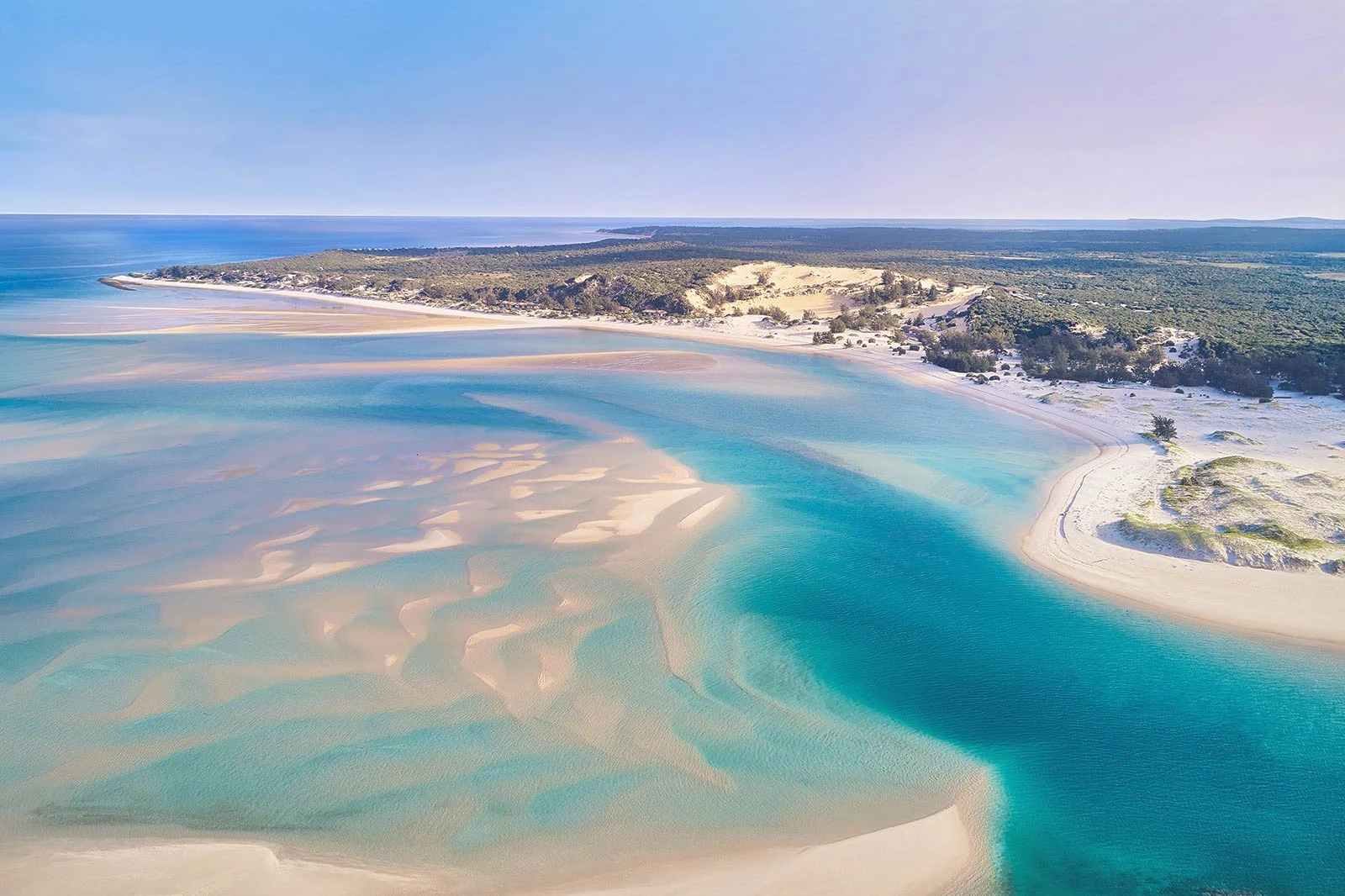
Founded by Nina Flohr
Bazaruto Center for Scientific Studies
The first permanent ocean observatory of its kind
The Bazaruto Center for Scientific Studies (BCSS) opened on Benguerra Island in 2017 as a field station for scientists and research divers working in the Bazaruto Archipelago. Today the BCSS Ocean Observatory records the seascape around the clock, from coral reefs and the seagrass meadows where Dugongs graze to mangroves and the open water of the Mozambique Channel, following the ocean’s chemistry and warming, its underwater soundscape and the wildlife that lives there.
Boat crews and scientific divers survey whales and dolphins, sharks, rays and reef life through the year. Every Humpback Whale that BCSS identifies by its fluke goes into Happywhale, the global catalog that has already matched Bazaruto’s whales with sightings beyond Mozambique’s waters, part of the evidence for their long migrations across the Western Indian Ocean. In 2025, BCSS fitted satellite tags to Scalloped Hammerheads and a Zebra Shark, both Critically Endangered, the first tags of their kind on either species in the Indian Ocean. BCSS shares the observatory’s data freely with researchers everywhere, backs early-career Mozambican scientists and runs the station on solar power.
- Founded
- 2017
- Partner
- Kisawa Sanctuary, Benguerra Island
- Mission
- Advance marine research PADI Dive Center conducting field expeditions
- Focus
- 5 islands · Dugongs · Turtles
- Fieldwork
- Surveying coral reefs, emergency response, research expeditions
- Network
- WIOMSA · Oceanscape · University of New England
Kisawa Sanctuary
Kisawa Sanctuary funds and supports BCSS, and Kisawa’s guests dive and work alongside the BCSS scientists. Kisawa lodge was designed for a net positive impact on biodiversity. Artisans from Benguerra and the neighboring islands built the sanctuary with weaving, thatching and carpentry, on concrete-free foundations and without heavy machinery, and most of the coastal forest across the property is left wild.
Kisawa has run mainly on solar power since February 2025. A filtered-water station on site replaces single-use plastic bottles, kitchen waste is composted for the permaculture gardens, and Kisawa’s staff, most of them Mozambican, hold beach clean-ups with the island community.
V · ii
Miavana Island
Northern Madagascar · Indian Ocean · since 2017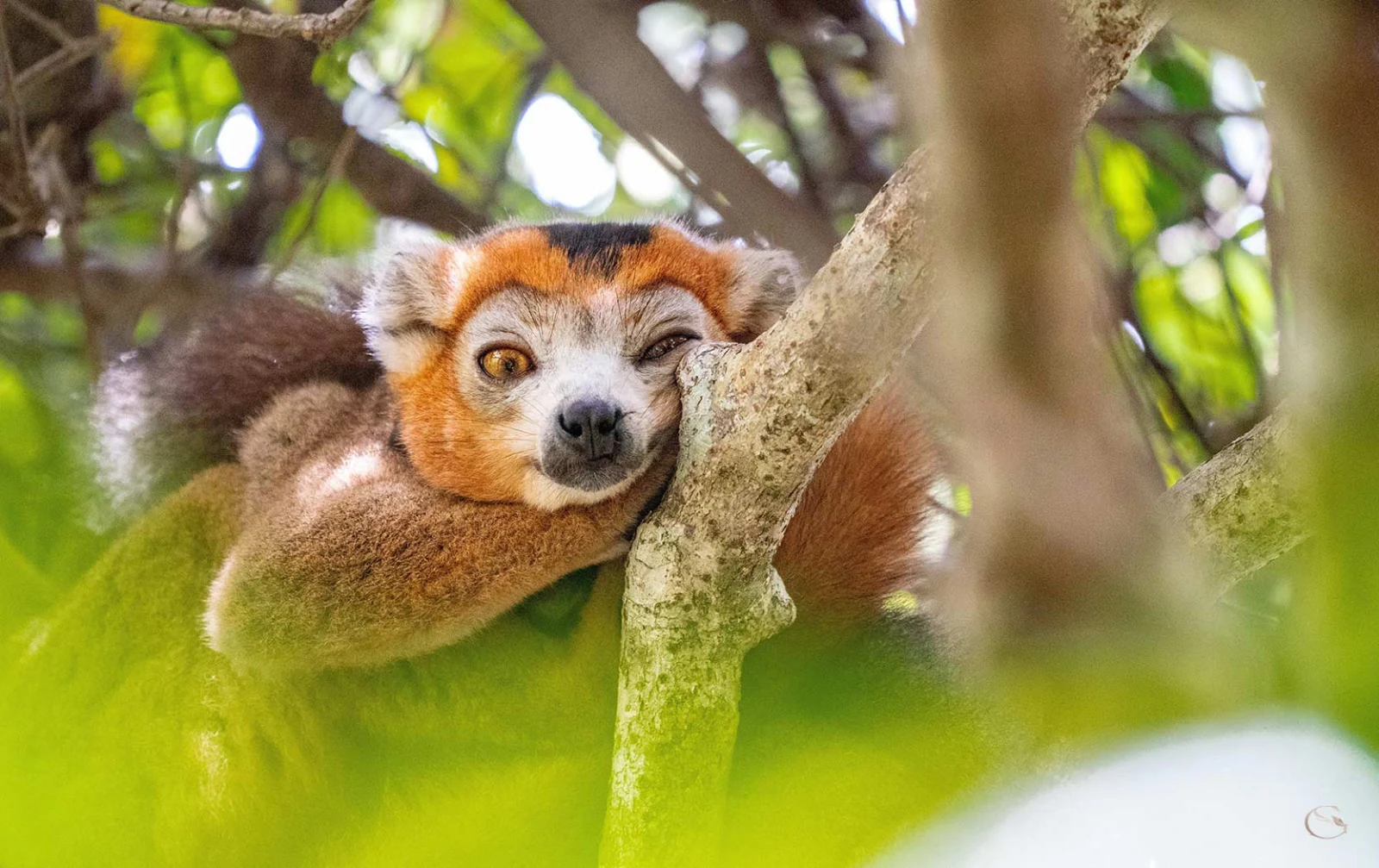
Island sanctuary
A safe home for Crowned Lemurs
Turtles on the beaches and new reefs offshore
Miavana’s conservation work began with the Crowned Lemur, an Endangered species found only in Madagascar’s far north. In November 2017, Miavana’s team brought a small group of Crowned Lemurs from a mainland forest to the island, where they now range free in family groups and raise their young.
On the island’s beaches, Miavana’s team watches over the nests of Hawksbill and Green Turtles and moves nests from eroding sand to safer beaches, and the team also follows one of the region’s great tern colonies on a neighboring island. Offshore, Miavana grows coral and has placed artificial reefs in the water to help fish return. Miavana’s medical team gives free health care to the communities around the island, and Miavana opened a nursery school on the island in 2021.
- Founded
- 2017
- Focus
- Crowned Lemurs · Turtles · Coral reefs
- Fieldwork
- Lemur monitoring, turtle nests, coral nurseries and artificial reefs
- Community
- Free health care · a nursery school on the island
The Crowned Lemur
The Crowned Lemur lives only in Madagascar’s far north and is listed as Endangered. Miavana’s conservation team also works in the lemurs’ mainland forests: the team follows the lemurs there, has planted young trees in their home forest and helped start a village association that looks after them. The long-term plan is to return island-born lemurs to the mainland forests one day.
V · iii
Bazaruto Archipelago
African Parks · with Mozambique’s ANAC · since December 2017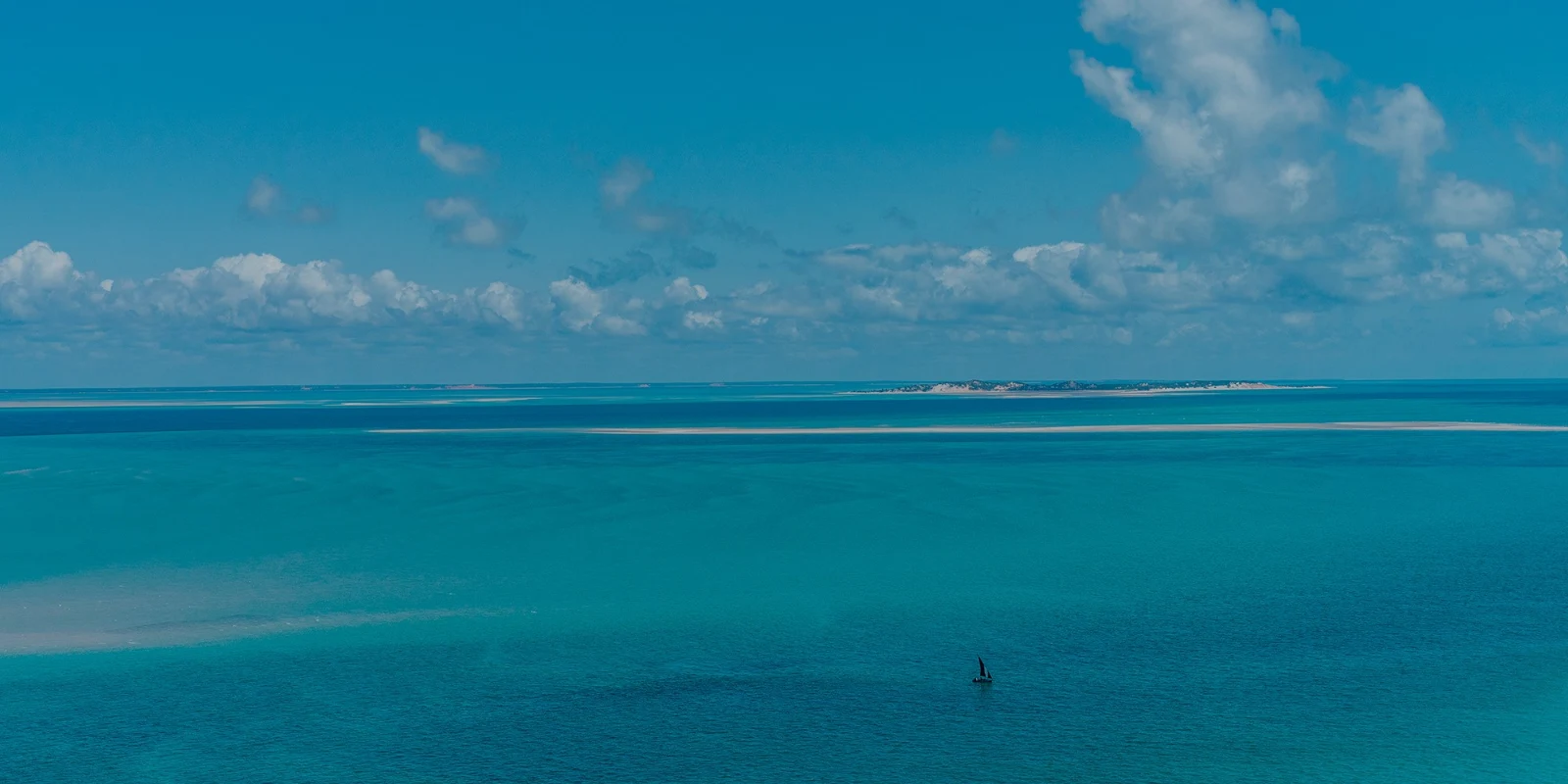
Protected since 1971
Five islands and the sea around them
A national park at sea, off Mozambique’s coast
Bazaruto Archipelago National Park protects five islands and the water around them, from seagrass meadows and coral reefs to the deep water of the channel. Parts of the archipelago were first protected in 1971, the park took in all five islands in 2001, and since December 2017 African Parks has managed Bazaruto with Mozambique’s conservation agency.
The archipelago’s three inhabited islands are home to fishing communities, and a share of the park’s tourism revenue returns to them through community councils for projects they choose together. Bazaruto’s wildlife also travels far beyond the park: satellite tracking follows Dugongs along the coast, and Bull Sharks keep much of their range inside the park and the neighboring sanctuary.
- Protected
- 1971 All five islands since 2001
- Management
- African Parks with ANAC A 25-year agreement since
- Focus
- Dugongs · Turtles · Coral reefs · Seagrass
- Fieldwork
- Marine patrols, Dugong tracking, turtle tagging with fishers
- Partners
- ANAC · Dhanam Foundation · Wyss Foundation
African Parks
African Parks took on Bazaruto in December 2017 with more marine and land ranger patrols, stronger law enforcement and the monitoring of key species. Since 2024, African Parks has fitted the park’s Dugongs with satellite transmitters, working with Mozambique’s government and James Cook University, and the park’s conservation team works with the islands’ fishers to tag the sea turtles their nets bring in.
In 2025, African Parks, Mozambique’s conservation agency and Conservation International agreed to set up the Inhambane Seascape program, which takes in a far larger stretch of coast around the park and aims for new marine conservation areas, some of them managed by the coastal communities themselves.
Travel with the workSignature Guided Safaris® Journeys
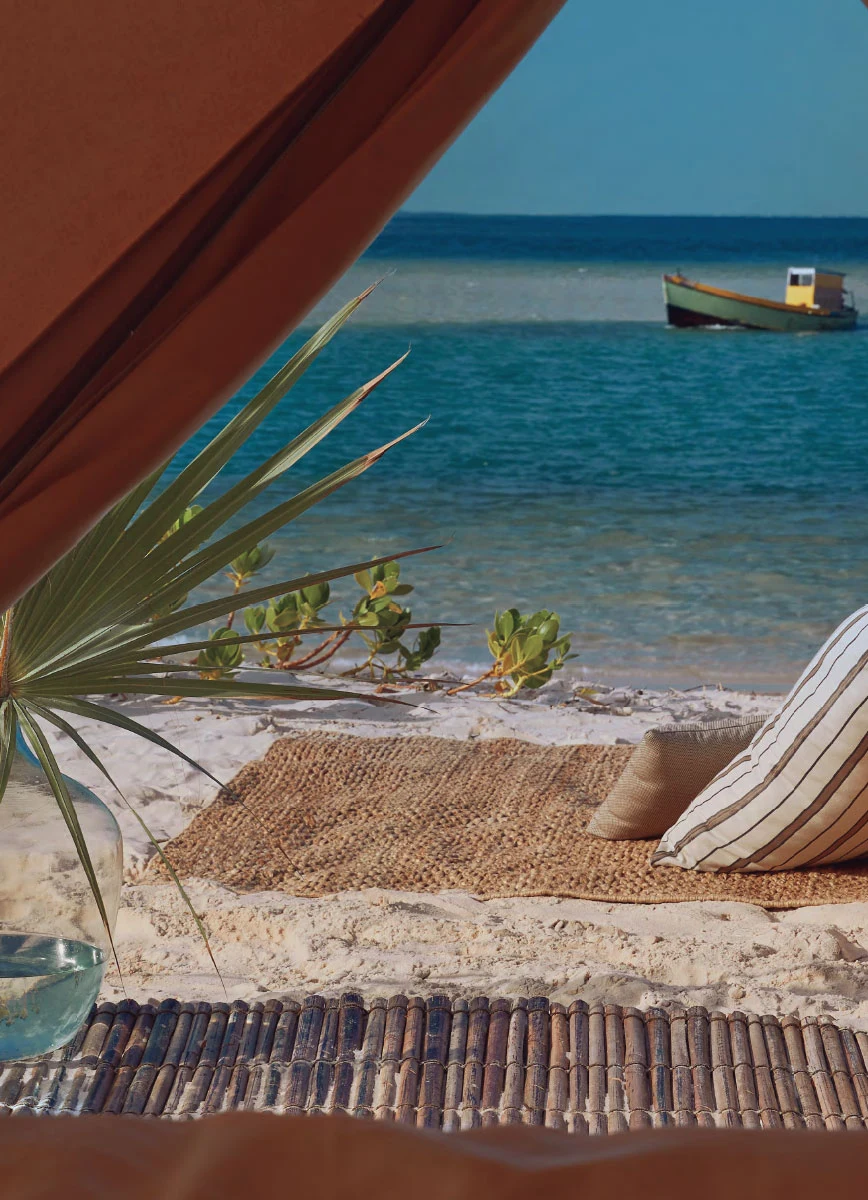
Kisawa Sanctuary
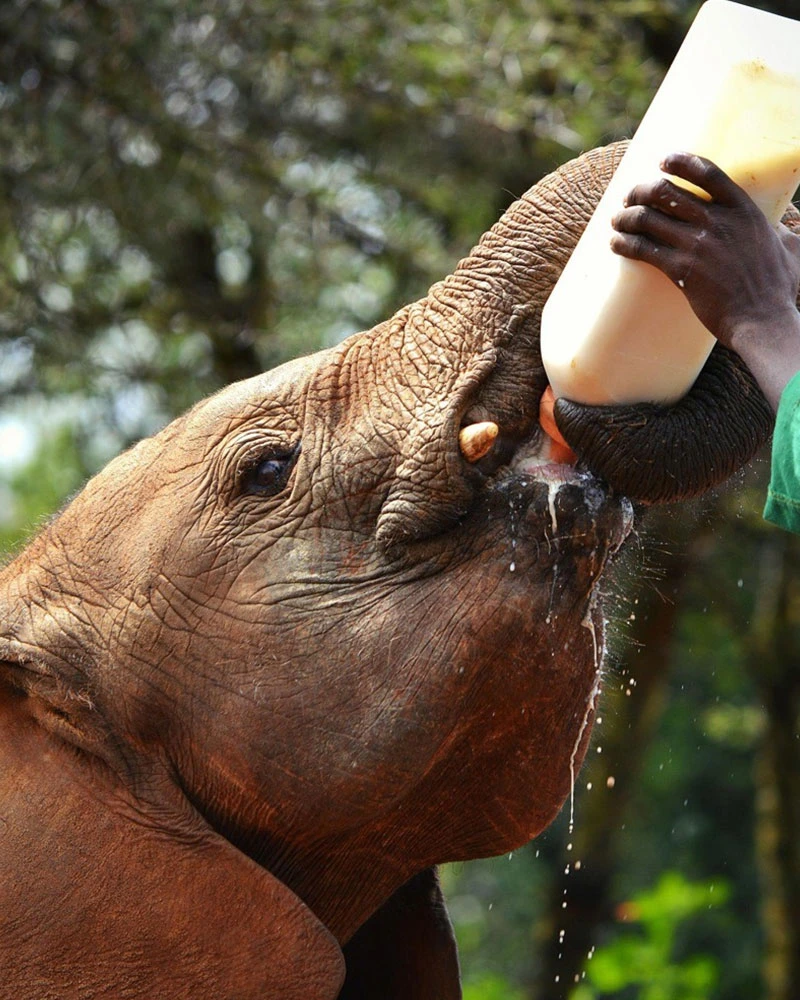
The lodge that funds the BCSS ocean observatory, where guests dive and work alongside the scientists.
The lodge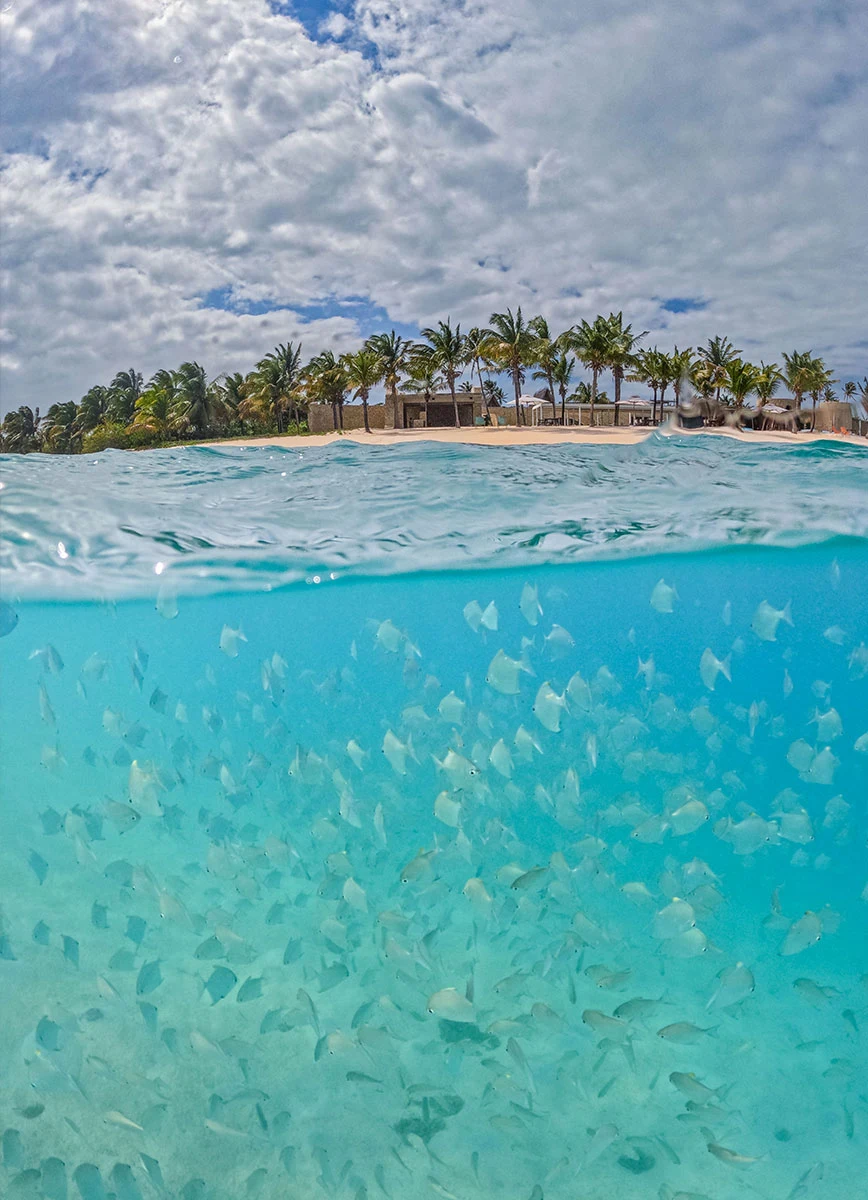
Miavana Island
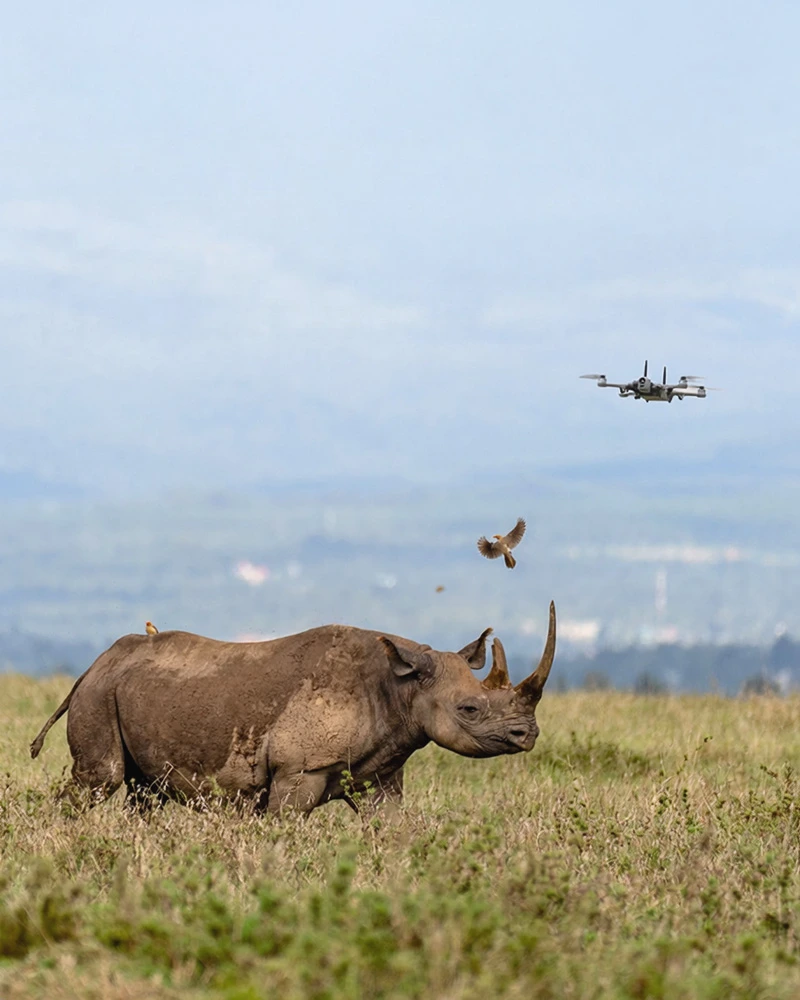
A private island off northern Madagascar, where Miavana’s team cares for Crowned Lemurs, Turtles and reefs.
The lodgeThe partnersOn the ground
- Bazaruto Center for Scientific StudiesBenguerra
- Kisawa SanctuaryBenguerra
- African ParksBazaruto
- ANAC · MozambiqueBazaruto
- MiavanaMadagascar
- Marine Megafauna FoundationSeagrass
- The Cousteau SocietyIndian Ocean
Working with travel partners and conservation projects in the field, the Guided Safaris® research lab teams share new ideas from across Africa that highlight key conservation efforts on ground. Staying in close contact throughout this supplier chain ensures that the whole network shares a responsible and innovative approach.
Back to the beginning · Program I
Black Rhino
Segera Rhino Sanctuary brings Eastern Black Rhino home to the Mount Kenya region, the first Rhino on Segera’s land in 60 years.
Enter the program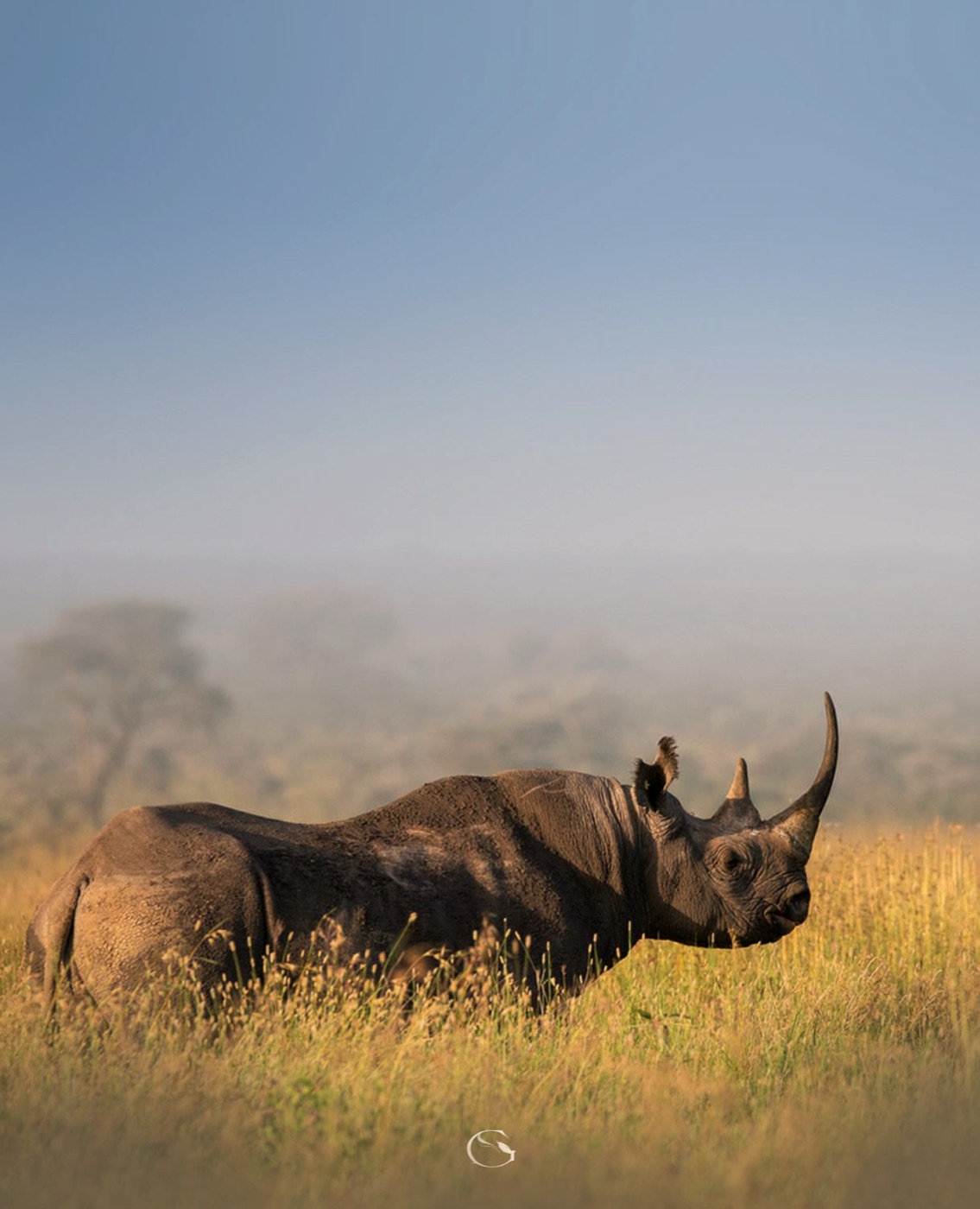
A Living Thread
Conservation at the heart of every journey
Over 30 years in Private African journeys.
Supporting key conservation initiatives across sub-Saharan Africa, Guided Safaris® journeys feature the continent’s finest private game reserves and award-winning eco-luxury camps and lodges that safeguard endangered wildlife through low-impact, sustainable travel.
We are honored to share our stories, safari craftsmanship and commitment to the African wilderness with you.
Discover Signature Journeys