

The gift of time · Kenya
Ol Pejeta
How one sanctuary helped bring Kenya’s Black Rhino back, and why the last two Northern White Rhino are in its care
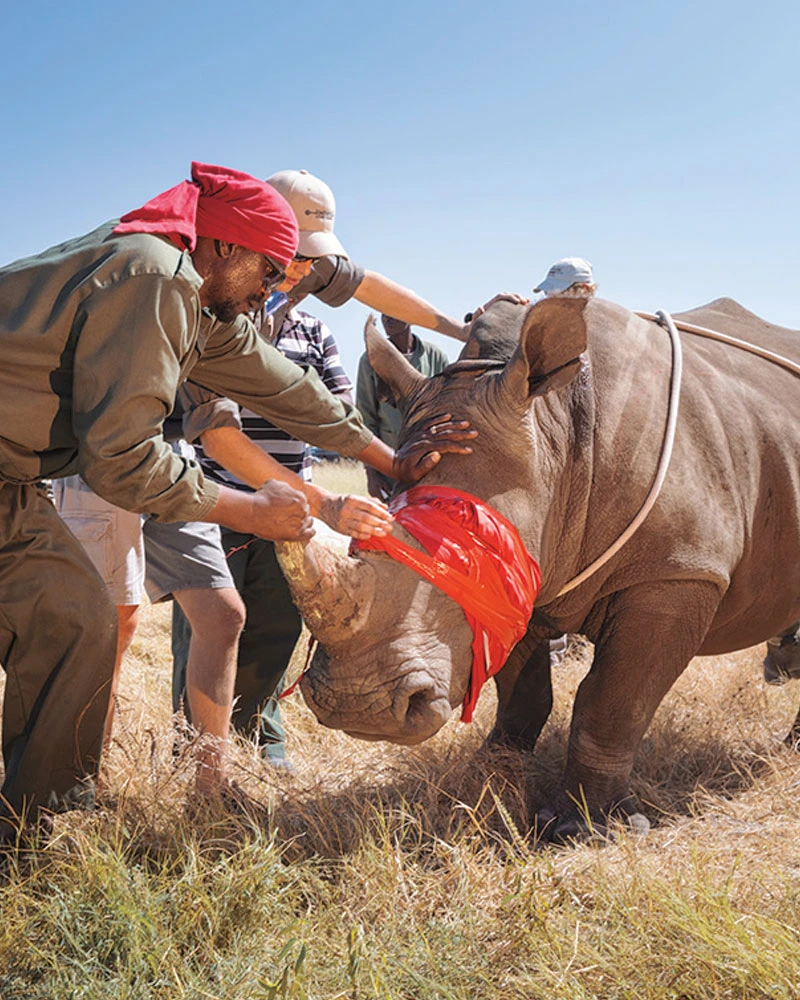
Ol Pejeta Conservancy began as Sweetwaters, a reserve on the Laikipia plateau. Between 1989 and 1993 it took in 20 Black Rhino, part of Kenya’s push to gather its last few hundred into fenced sanctuaries. Today Rhino from Ol Pejeta help found new sanctuaries across Kenya, and its keepers care for Najin and Fatu, the last two Northern White Rhino on Earth. The conservancy is also where BioRescue collects the eggs behind its 39 Northern White embryos. The first calf is still ahead.
Chapter 1 · 1984–2004
A refuge in Laikipia
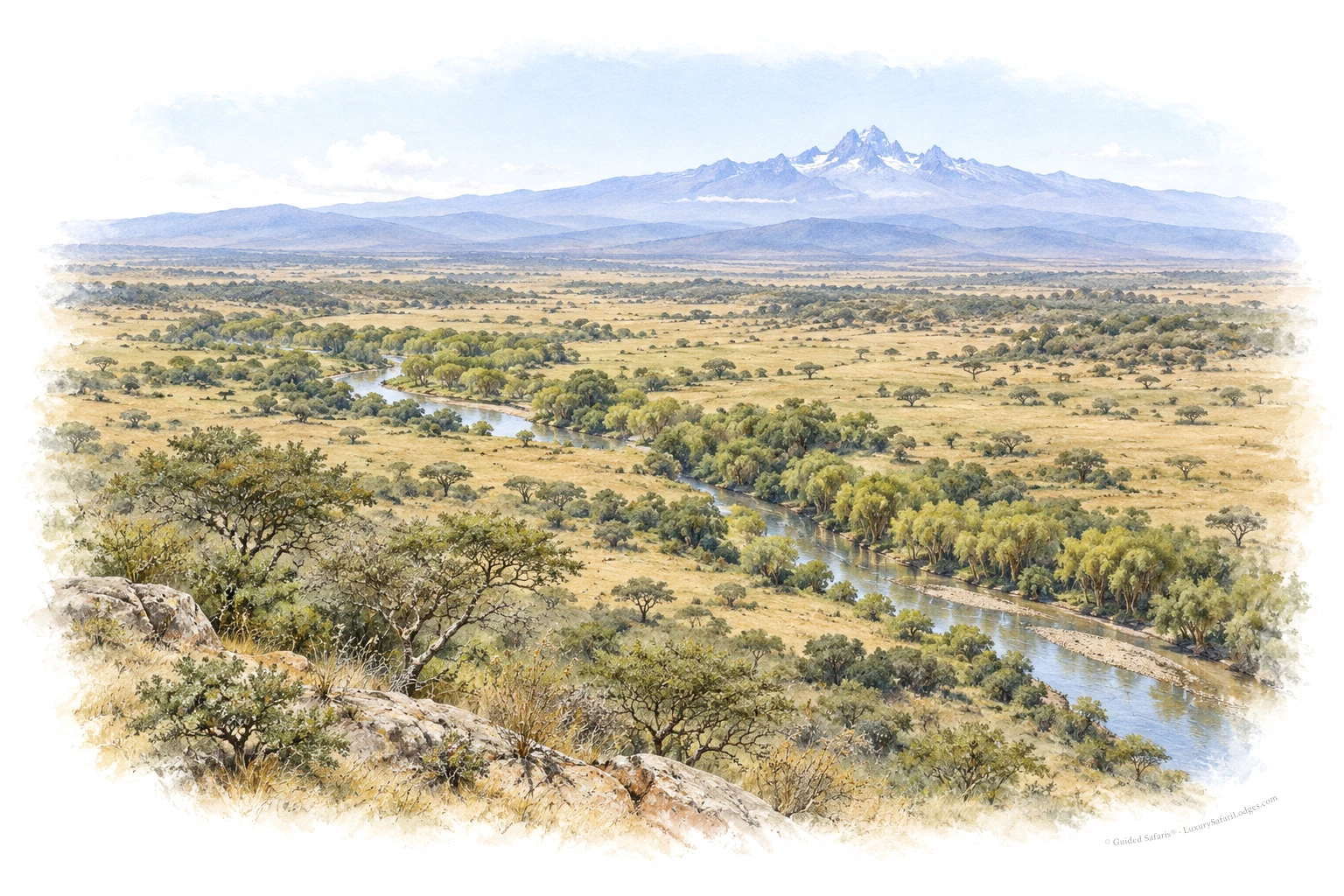
When Kenya’s Black Rhino fell to a few hundred, the country gathered them into fenced sanctuaries it could guard. Sweetwaters, on the Laikipia plateau, became one of them in 1989, and the first animal through its gates was an orphan named Morani.
In 1970, Kenya had about 20,000 Black Rhino. By 1990, fewer than 400 were left, by the figures in a 2007 Kenya Wildlife Service review.
The government’s answer, starting in 1984, was to concentrate protection in smaller, fenced sanctuaries. Sweetwaters was one of them, along with Lake Nakuru National Park, Ngulia and the Ngare Sergoi Rhino Sanctuary at Lewa.
Between 1989 and 1993 Sweetwaters took in 20 Black Rhino, most of them from Solio, the rest from Nairobi National Park and Lewa.
In 2004 Fauna & Flora International stepped in, with a significant investment from Jon Stryker, and Ol Pejeta Conservancy began. The conservancy marked its 20th anniversary in 2024 and 2025.
Chapter 2 · 2007
Twenty-eight Rhino and a fallen fence
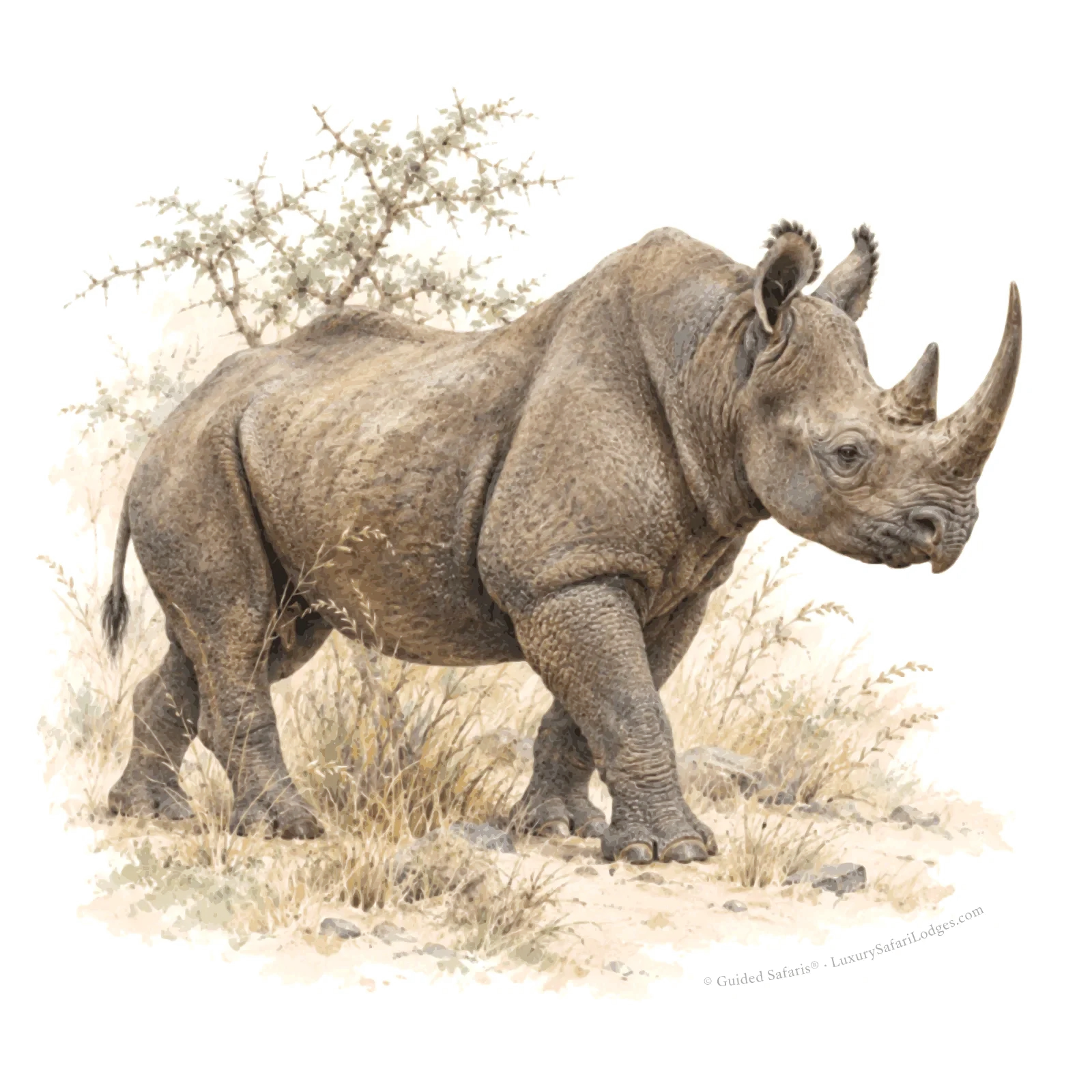
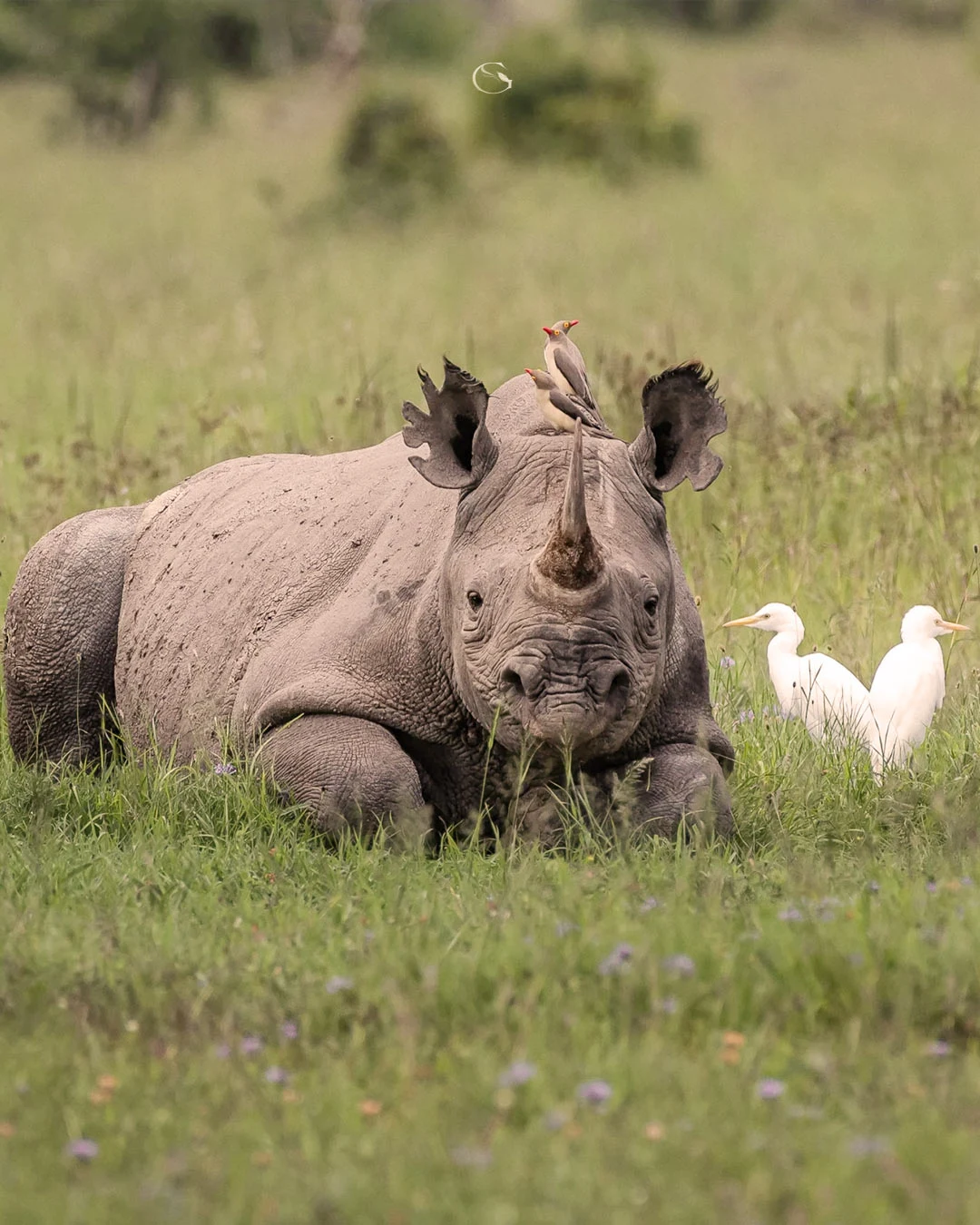
In February 2007, Ol Pejeta took in 28 Black Rhino from Solio and Ol Jogi, turning each one loose the same day it was caught. By March 22 the fence between the old sanctuary and its new land had come down, and the Rhino had room to roam.
Out-of-season rain held things up until February 3, 2007. When the work was over, 28 Black Rhino had arrived: 24 from Solio, among them a young calf named Richard traveling with his mother, Upendo, and four from Ol Jogi.
Swara, the East African Wild Life Society’s magazine, called the operation East Africa’s largest ever Rhino translocation.
Felix Patton’s team followed the newcomers closely. Nearly all of them settled into home ranges within six months, most of those within 25 days, and no fights between Rhino were reported.
Chapter 3 · 2018–2026
Almost a decade
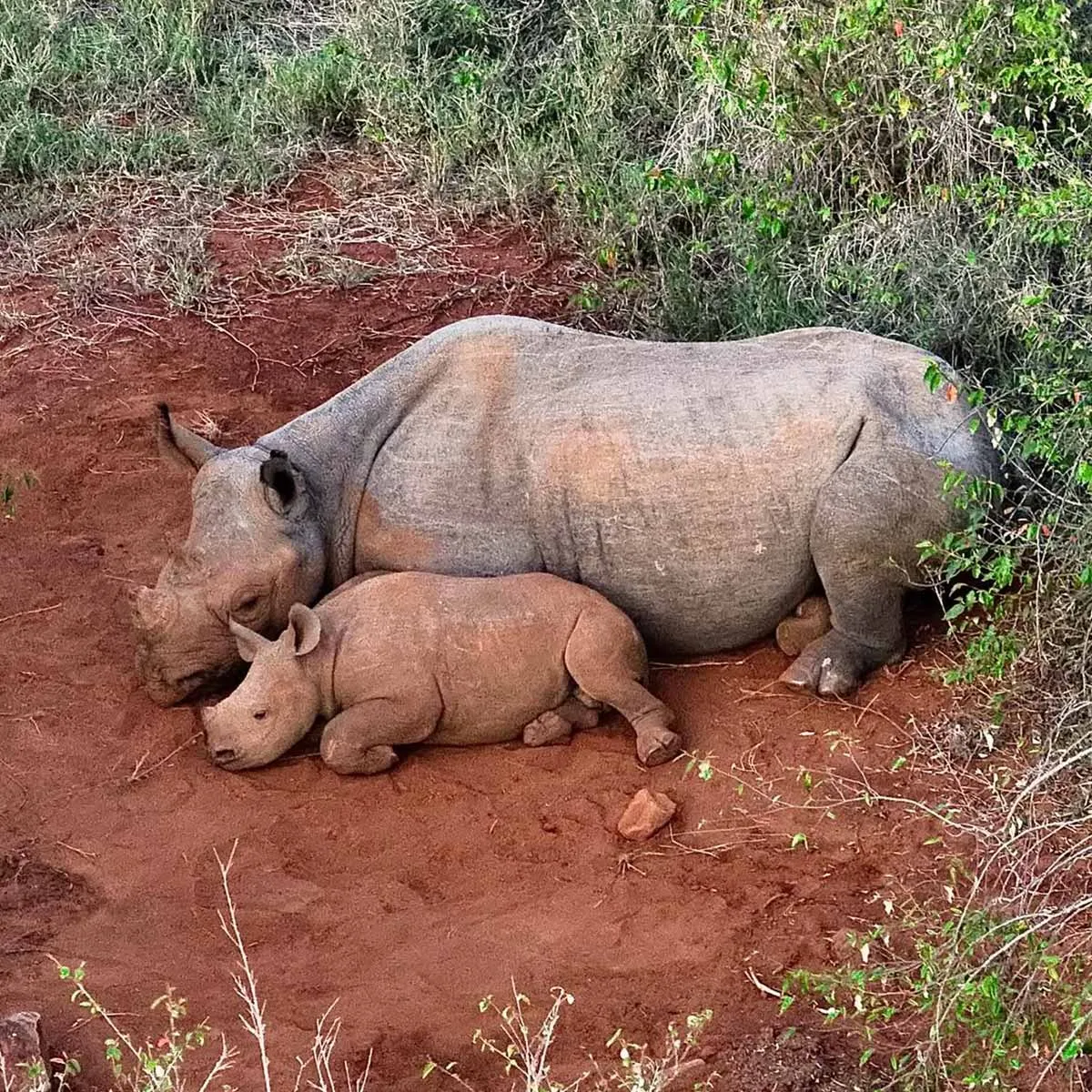
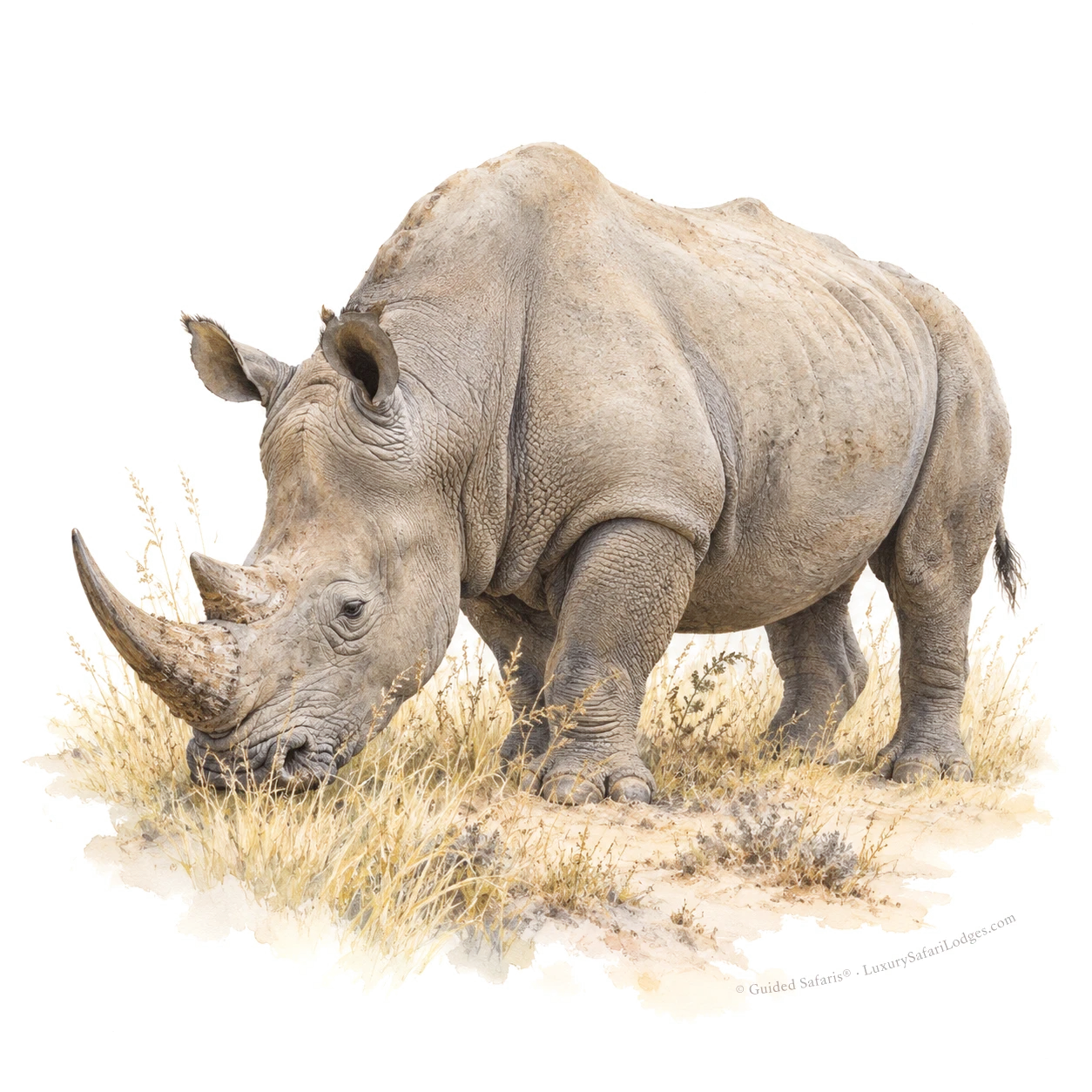
On World Ranger Day in 2026 the conservancy could write that for more than nine years, not a single Rhino had been poached on Ol Pejeta. That record is built one day at a time.
The run began in 2018, a year Ol Pejeta’s annual report recorded with no poaching incidents at all, and the reports have carried it forward since. An annual independent audit checks the Rhino population, the conservancy’s 2016 report says.
By 2013, its chief executive has said, Ol Pejeta had earned Key 1 population status from the International Union for Conservation of Nature, a top rating for a Rhino population.
Ol Pejeta puts the cost at more than US$ 10,000 each year to protect a single Black Rhino on the conservancy.
Chapter 4 · 2009–2018
The last Northern White
In December 2009, four Northern White Rhino flew from a Czech zoo to Ol Pejeta in the hope they would breed naturally. They mated but never produced a calf, and after Suni in 2014 and Sudan in 2018, two females remain: Najin and her daughter, Fatu.
The Northern White Rhino, Ceratotherium simum cottoni, is a subspecies of White Rhino, distinct from the Southern White. Its historical range covered Chad, the Central African Republic, Sudan, the Democratic Republic of the Congo and Uganda.
Crating began early on Saturday, December 19, 2009, at Dvůr Králové Zoo. Trucks fitted with heaters took Sudan, Suni, Najin and Fatu to a cargo flight that left at 6 p.m. and landed in Nairobi early the next morning, and more trucks carried them on to Ol Pejeta. The convoy reached the conservancy after 26 hours. Ol Pejeta’s Southern White, the conservancy says, helped the newcomers settle into African life.
Sudan, the last male, died on March 19, 2018, when his veterinary team let him go after age and a string of infections had left him unable to stand.
Najin and Fatu can’t carry a pregnancy, so the next chapter belongs to the laboratory.
At a glance
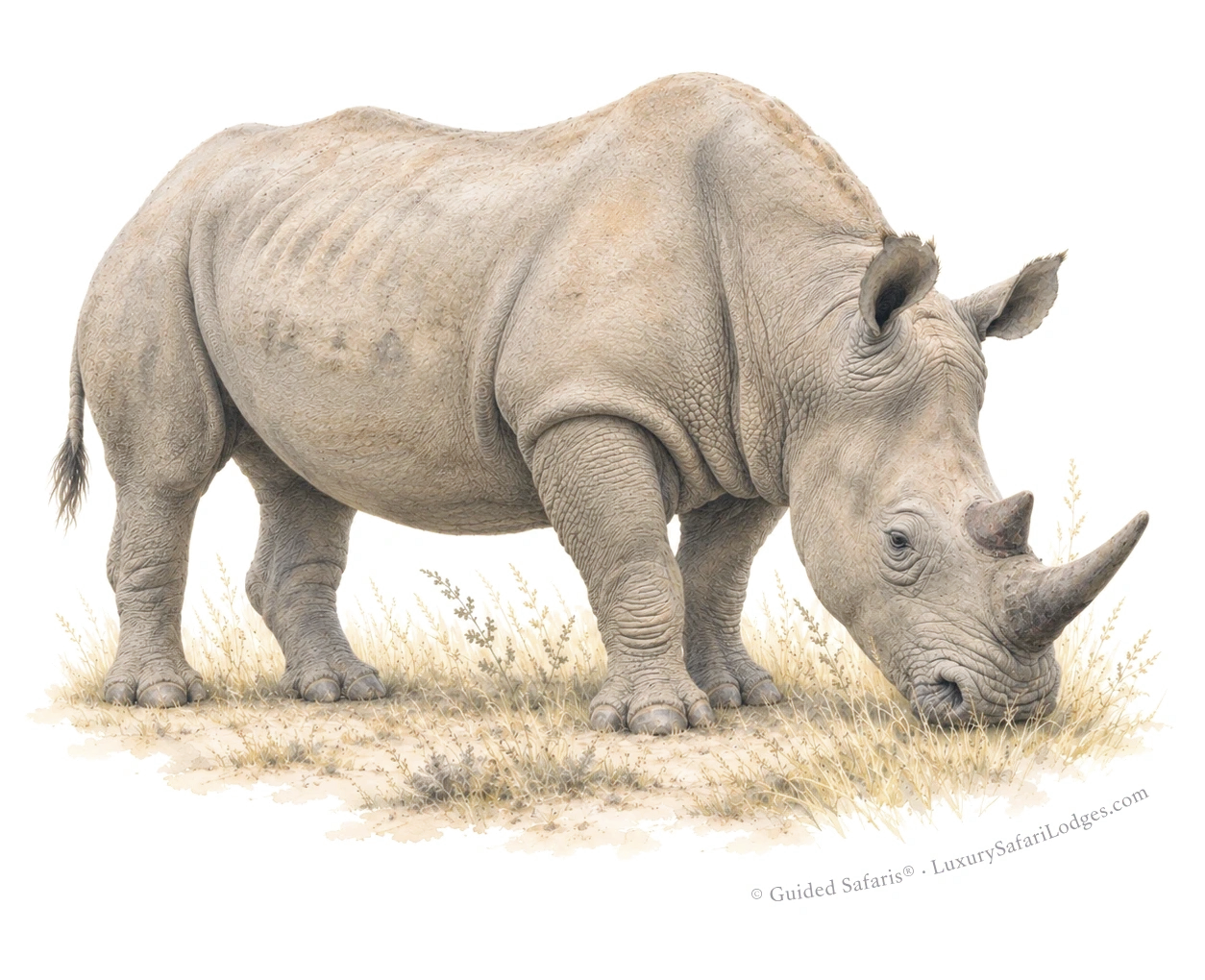
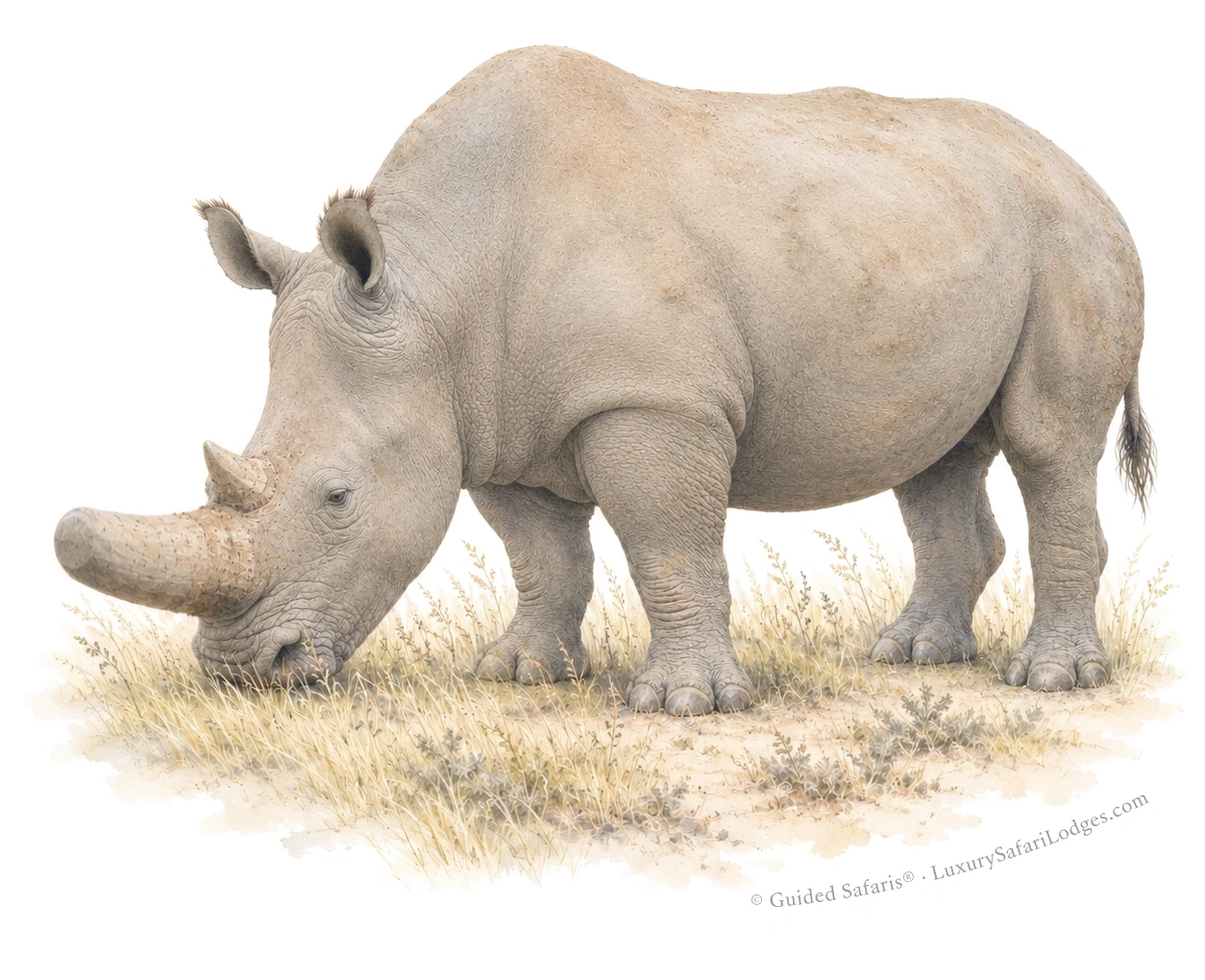
The Southern White Rhino and the Northern White Rhino are the two subspecies of the White Rhino.
 Subspecies
Southern White Rhino
Ceratotherium simum simum
- Range
- Native to the bushveld south of the Zambezi River, with most now in South Africa
- Build
- The larger of the two and longer in the body, its back dipping behind the shoulder
- Skin
- Deeply folded, with a deep fold behind the elbow and deep circular wrinkles around the eye
- Status
- Near Threatened on the IUCN Red List, the rating of the species as a whole, and still under threat from poaching
 Subspecies
Northern White Rhino
Ceratotherium simum cottoni
- Range
- Once central and East Africa, from southern Chad to northwestern Uganda. Today, only Ol Pejeta in Kenya
- Build
- The smaller of the two, markedly so in males, standing higher in the leg with a straighter back
- Skin
- Less folded, with hardly a fold behind the elbow and weak wrinkles around the eye
- Status
- Critically Endangered and probably extinct in the wild, with two females left, Najin and her daughter Fatu
Chapter 5 · 2019–2026
Building embryos
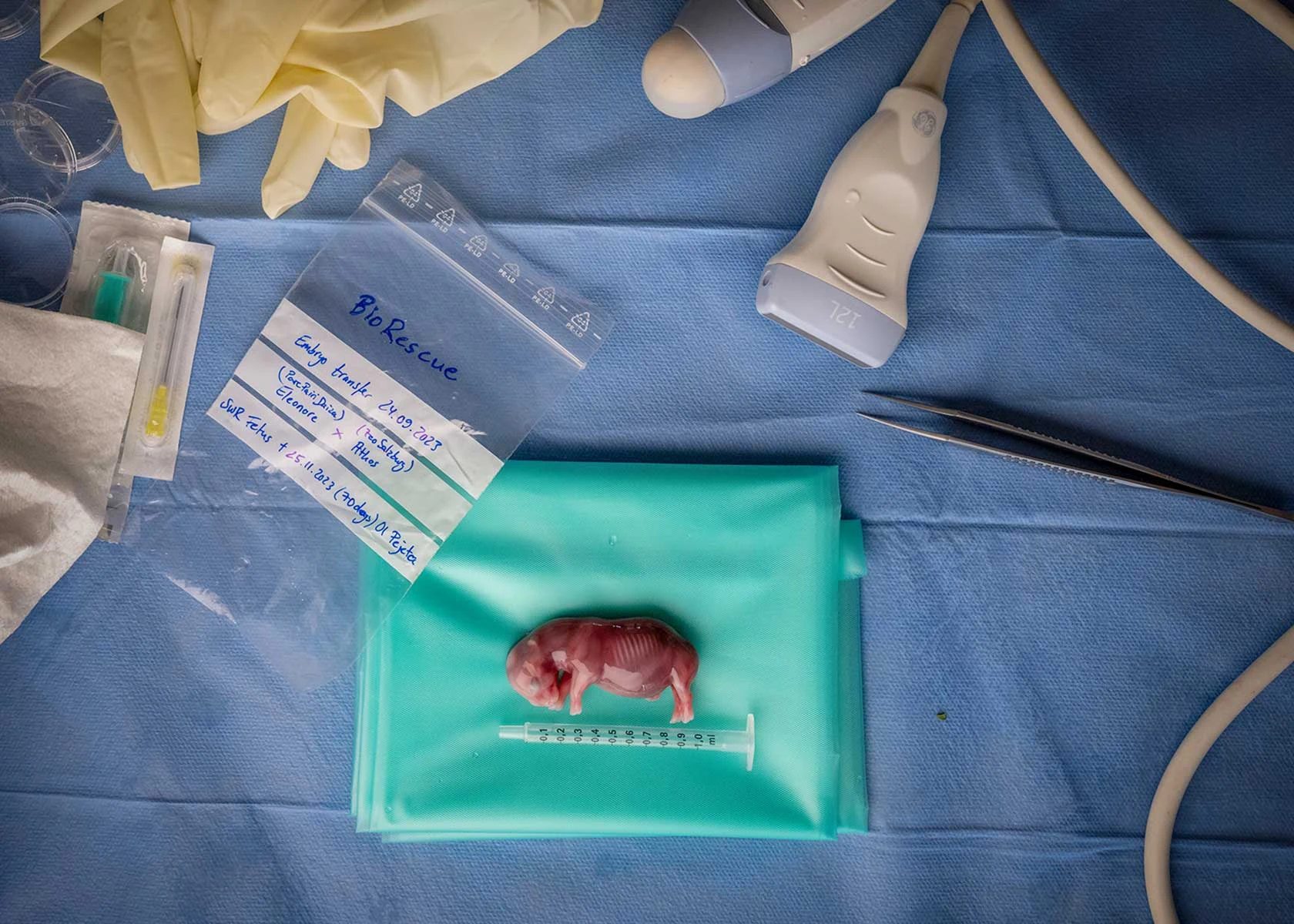
Since 2019, the BioRescue consortium has made 39 pure Northern White embryos from Fatu’s eggs and frozen sperm from two males, Suni and Angalifu. Six transfers into Southern White surrogates had been made by April 2026. The first calf is still ahead.
BioRescue is an international research consortium led by Germany’s Leibniz Institute for Zoo and Wildlife Research. The work is spread across many institutions: care, protection and field access from Ol Pejeta, the Kenya Wildlife Service and Kenyan caregivers and vets; maturing and fertilizing the eggs at Avantea, a laboratory in Cremona, Italy; risk assessments at the University of Padua.
Vets collect eggs from a living female in a procedure called ovum pick-up. In the lab, the eggs are matured and then fertilized by injecting a single sperm into each egg. Some develop into blastocysts, early-stage embryos that can be frozen for later transfer.
In October 2021 BioRescue stopped collecting eggs from Najin after an in-depth risk assessment at the University of Padua. She stayed on as a companion to Fatu and, in the consortium’s word, an ambassador for her kind.
In September 2023 the team transferred two Southern White embryos into a Southern White female, Curra, who conceived: the world’s first successful embryo transfer in Rhino, the consortium announced. Floods that November brought an infection that took her before she could give birth, and her postmortem confirmed the pregnancy.
Human IVF took more than 100 attempts to succeed, the consortium reminded its readers in 2026. The Northern White program has made six.
6 · The keepers
In their ownwords
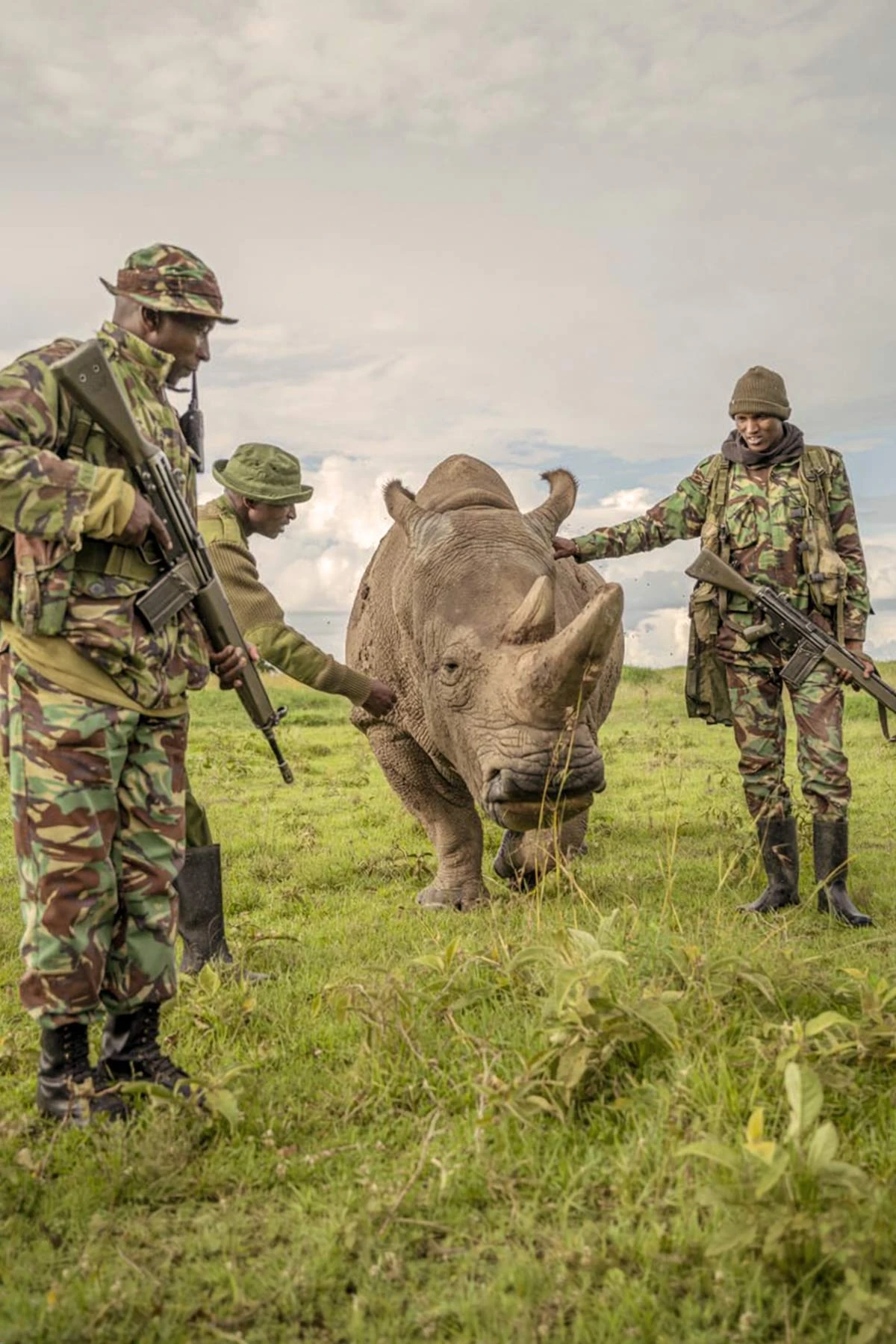
A small group of Kenyan caregivers and rangers, among them James Mwenda, Zacharia Mutai and Joseph “JoJo” Wachira, looked after Ol Pejeta’s Northern White and other Rhino. Their own words survive in interviews, radio reports and films.
The film that follows describes the daily care, the keepers’ bond with Sudan and the weight of the work.
Sudan, The Keepers’ Journal
James Mwenda grew up near Mount Kenya, in Meru, in a farming community that was constantly in conflict with Elephants. In a June 2019 interview he walked through his days caring for the Northern White: health checks first thing at 6 a.m., cleaning pens and water troughs, and conservation talks for visitors. “It’s an emotionally draining job,” he said. Ol Pejeta’s 2021 annual report says he stepped down as a Rhino caregiver to become a global ambassador for the conservancy.
Zacharia Mutai, head caregiver of the Northern White, has looked after them since they arrived in 2009. In a Swedish radio report of August 2021 he said Sudan served as a voice for all the world’s Rhino.
He was a close friend, like a family member. We spend more time with the Rhino than we do with our own families.
Ami Vitale’s photograph of Sudan with his caregiver Joseph Wachira ran on National Geographic’s October 2019 cover. Vitale has said she had known the caregivers for 10 years, that they at first didn’t want that moment documented and that she took only two frames of it.
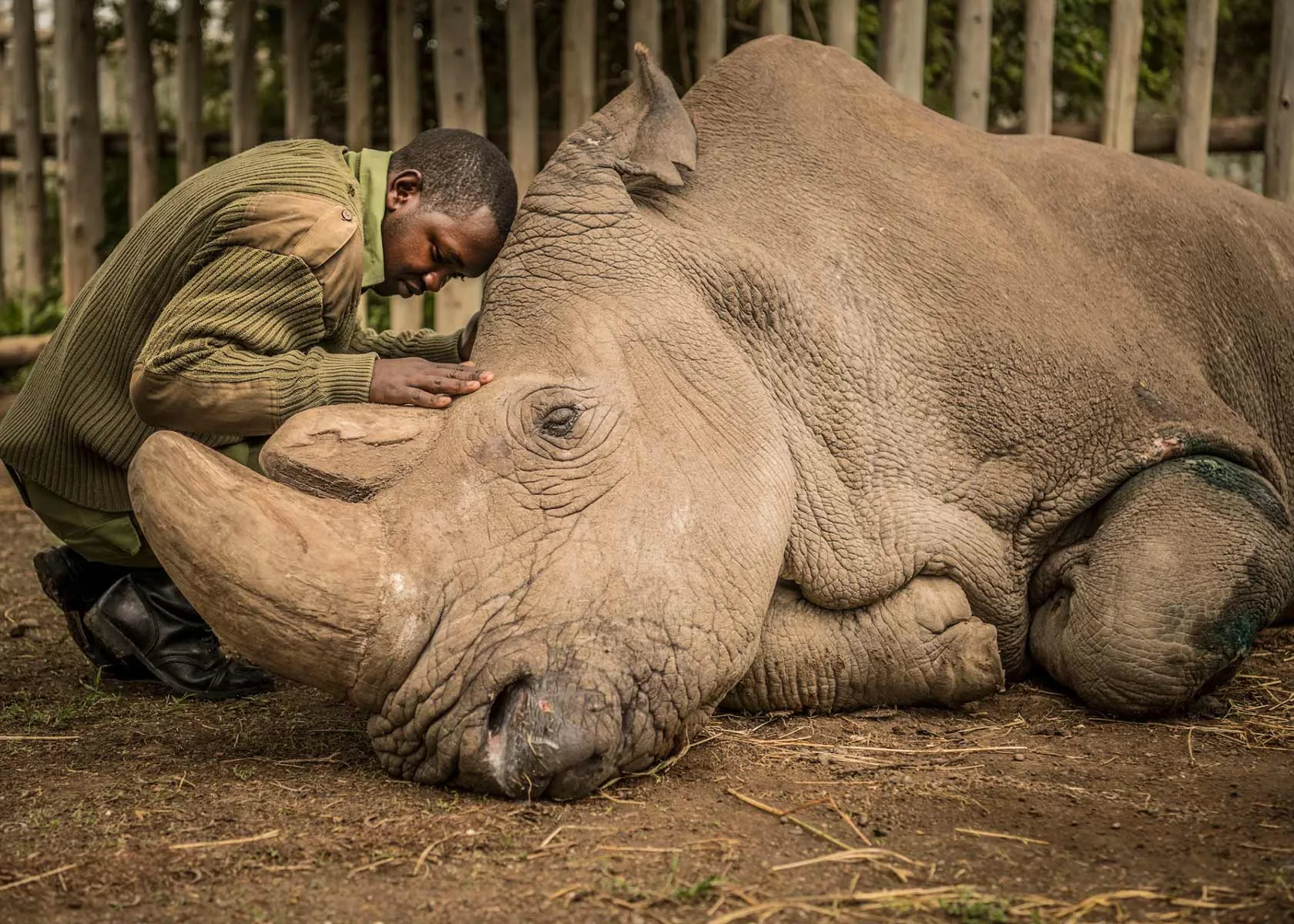
When National Geographic asked its readers to vote for the photograph of the decade, they chose Ami Vitale’s. In it Joseph Wachira, a caregiver at Ol Pejeta in Kenya, comforts Sudan, the last male Northern White on earth, moments before he died.
“Watching a creature die — one who is the last of its kind — is something I hope never to experience again. It felt like watching our own demise. My hope is that this heartbreaking moment will be our wake-up call. These giants are part of a complex world created over millions of years, and their survival is intertwined with our own. Without rhinos and elephants and other wildlife, we suffer a loss of imagination, a loss of wonder, a loss of beautiful possibilities. When we see ourselves as part of nature, we understand that saving nature is really about saving ourselves. Sudan taught me that.”
Chapter 7 · 2024–2026
A wider range
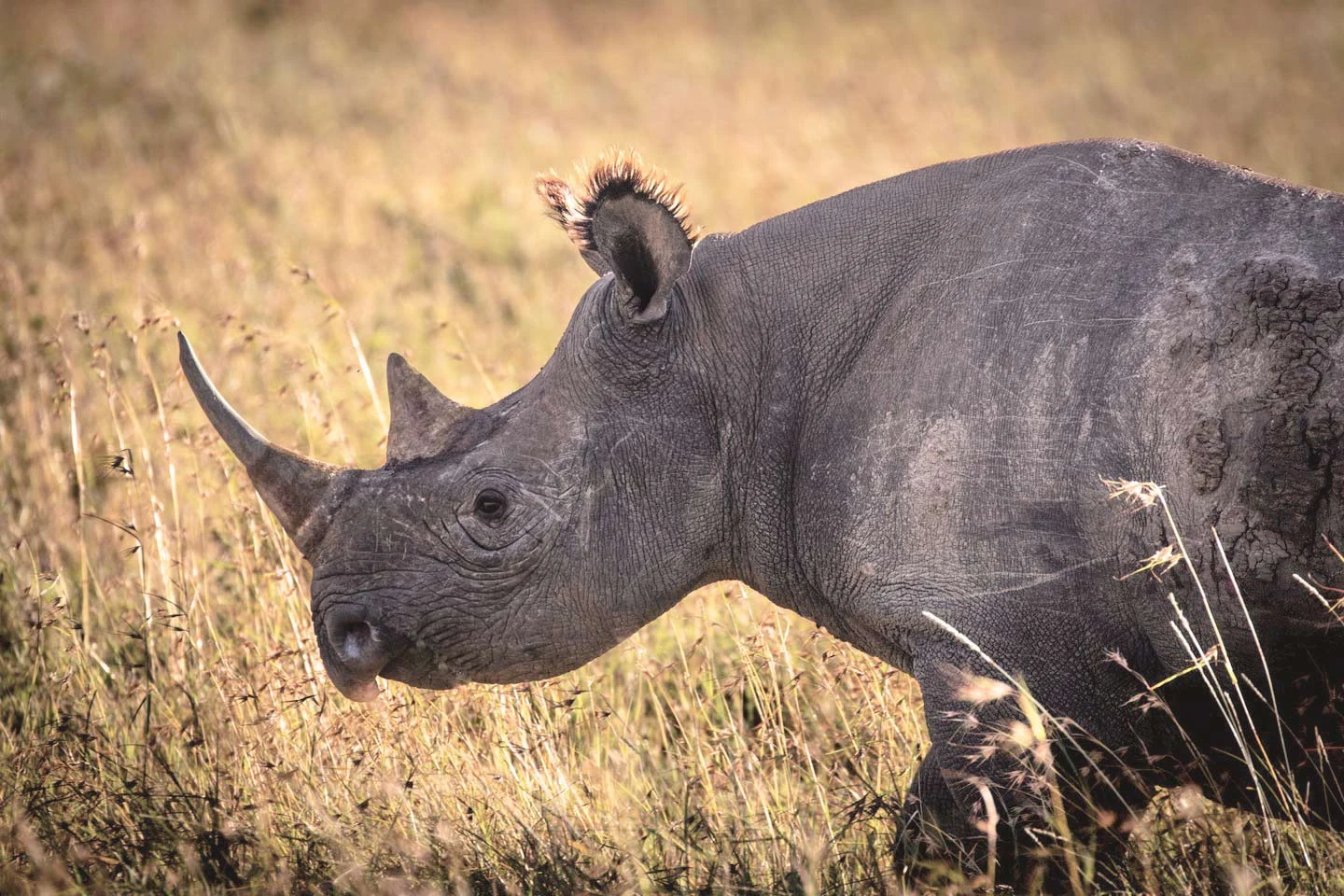
Kenya’s plan for Black Rhino is measured in room: a connected sanctuary across central Kenya and Rhino back on more than 20 new conservancies. Rhino from Ol Pejeta now help found those new populations, at Loisaba in 2024 and at Segera in 2025.
Each move is years in the making. Conservancies prepare the land and the protection, the Kenya Wildlife Service leads the operation, and the animals chosen are typically subadults of 5 to 7 years, ready to make a new home.
In January 2024 six of Ol Pejeta’s Black Rhino joined others from Nairobi National Park and Lewa to found the new population at Loisaba Conservancy. In May 2025 nine more went to Segera, where Black Rhino came home after some 60 years.
One young female met a territorial male Lion within hours of her release. She recovered fully, and in March 2026, Loisaba reports, she gave birth to a healthy male calf, her first.
Chapter 8 · 1989–2026
Morani and Baraka
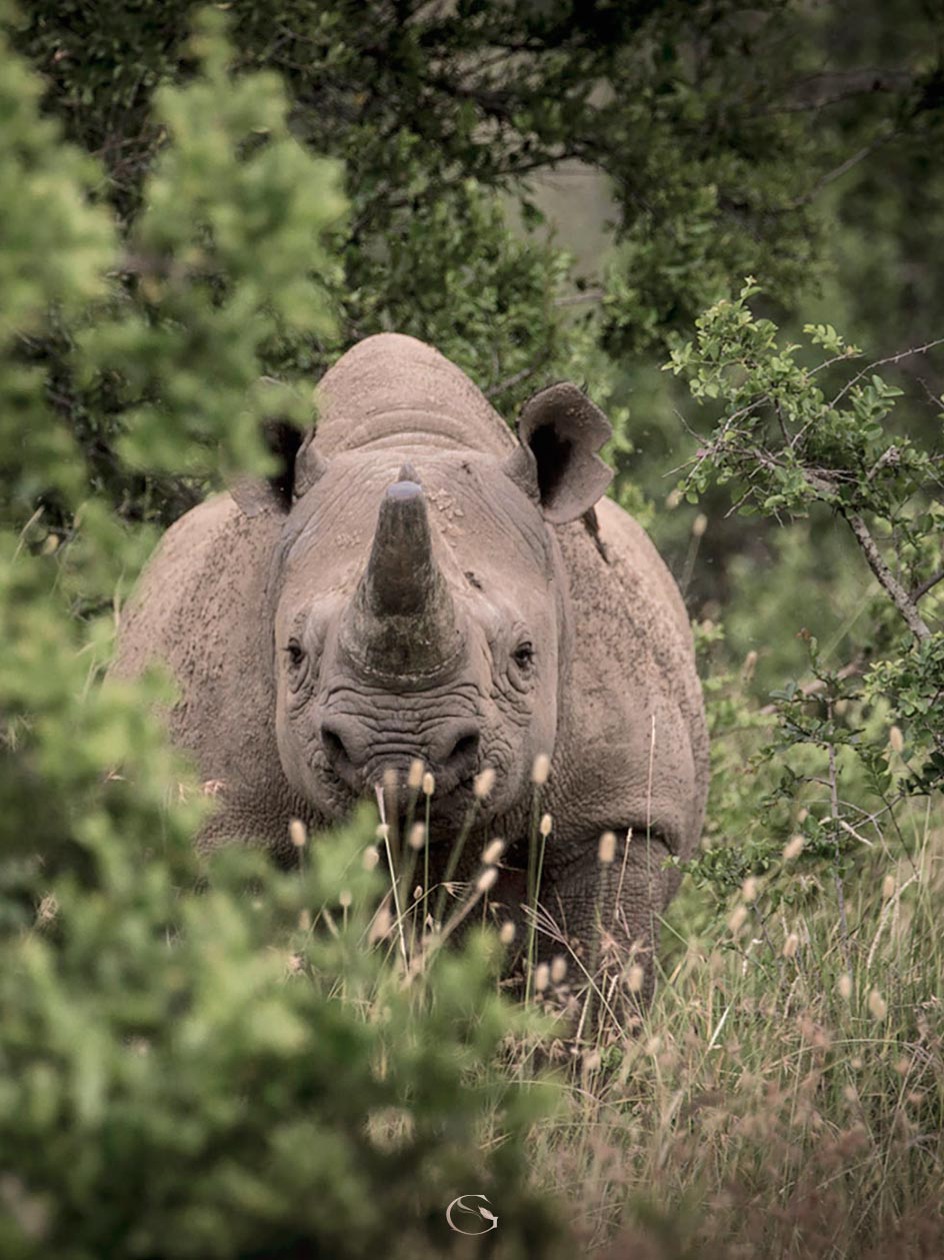
Two bulls carried Ol Pejeta’s story for decades. Morani, the orphan, came first, in 1989. Then Baraka, born on the conservancy in 1994, who went blind and lived under the care of its rangers until he died in August 2026.
Morani was orphaned when his mother was killed, and he came to be seen as the conservancy’s first Rhino ambassador.
Baraka lost his right eye in 2008 in a fight with another Rhino, and cataracts later took the sight in his other eye. Ranger Esogon Ekale spent many days helping him settle into a 100-acre enclosure, the same one that had once been Morani’s. Baraka could no longer find and choose food well on his own, so his care reached into every meal.
Baraka died on the morning of Sunday, August 16, 2026, at 31, on the conservancy where he was born.
Key figures
- Where
- Ol Pejeta Conservancy, Laikipia, Kenya
- Sanctuary since
- 1989, when the first Black Rhino reached Sweetwaters
- Protection
- More than nine years without a Rhino lost to poaching, Ol Pejeta reported on July 31, 2026
- The cost of care
- More than US$ 10,000 each year to protect a single Black Rhino, Ol Pejeta says
- Recognition
- Key 1 population status, International Union for Conservation of Nature, by 2013
- Northern White
- Najin and Fatu, the last two on Earth, at the heart of the BioRescue program
- New populations
- Loisaba Conservancy, January 2024; Segera, May 2025
- Also at Ol Pejeta
- Sweetwaters Chimpanzee Sanctuary, established in 1993 with the Kenya Wildlife Service and the Jane Goodall Institute
Key dates
Nearly 40 years of Rhino at Ol Pejeta, from the first orphan to the embryos in frozen storage.
- 1970Kenya has about 20,000 Black Rhino; by 1990, fewer than 400 are left
- 1984Kenya begins gathering its Rhino into fenced sanctuaries
- 1989The first Black Rhino reaches Sweetwaters, an orphan named Morani; 20 founders follow by 1993
- 1993Sweetwaters Chimpanzee Sanctuary is established
- 1994Baraka is born at Ol Pejeta on November 20
- 2004Fauna & Flora International steps in and Ol Pejeta Conservancy begins
- 200728 Black Rhino arrive in February; the fence to the old sanctuary comes down by March 22
- 2009Four Northern White land from Dvůr Králové Zoo on December 20
- 2013Key 1 population status from the International Union for Conservation of Nature
- 2018Sudan, the last Northern White male, dies; a run of years without poaching begins
- 2019BioRescue makes the first pure Northern White embryos
- 2021An in-depth risk assessment retires Najin from egg collection
- 2023A Southern White embryo gives the surrogate Curra the first Rhino pregnancy from an embryo transfer
- 2024Six Black Rhino help found the new population at Loisaba in January
- 2025Nine Black Rhino go to Segera in May
- 202639 embryos and six transfers by April; Baraka dies on August 16
Travel with the workSignature Guided Safaris® Journeys
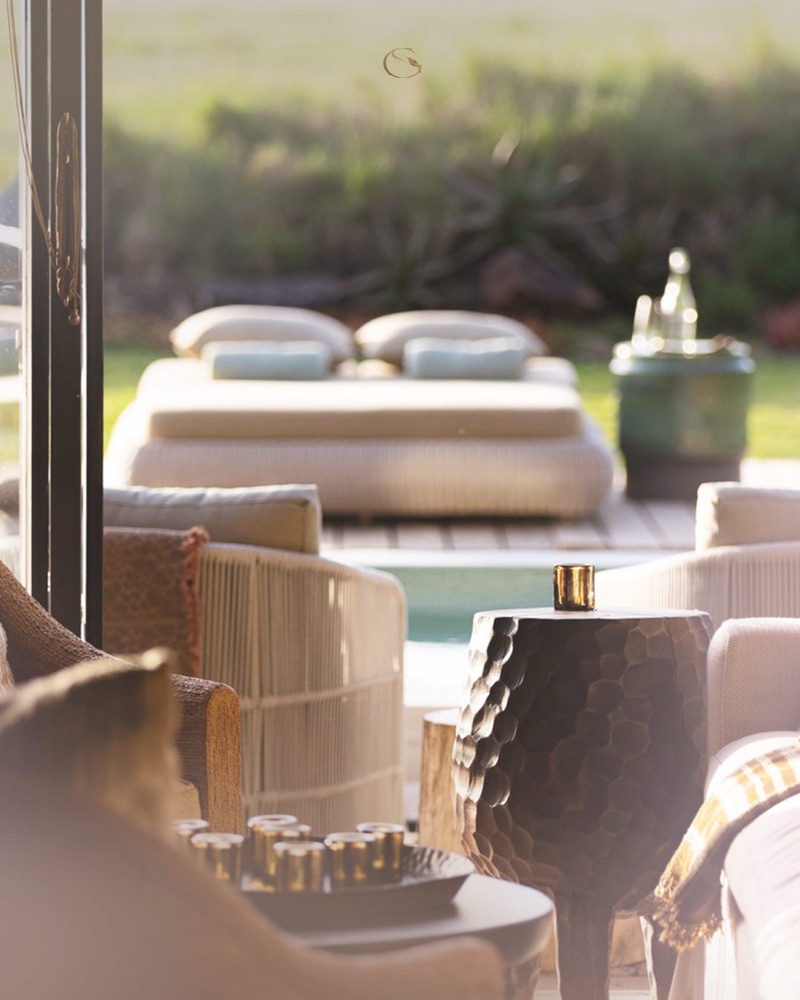
Segera Retreat
Stay in the private Laikipia reserve where Eastern Black Rhino came home in 2025, with Mount Kenya on the horizon.
The lodge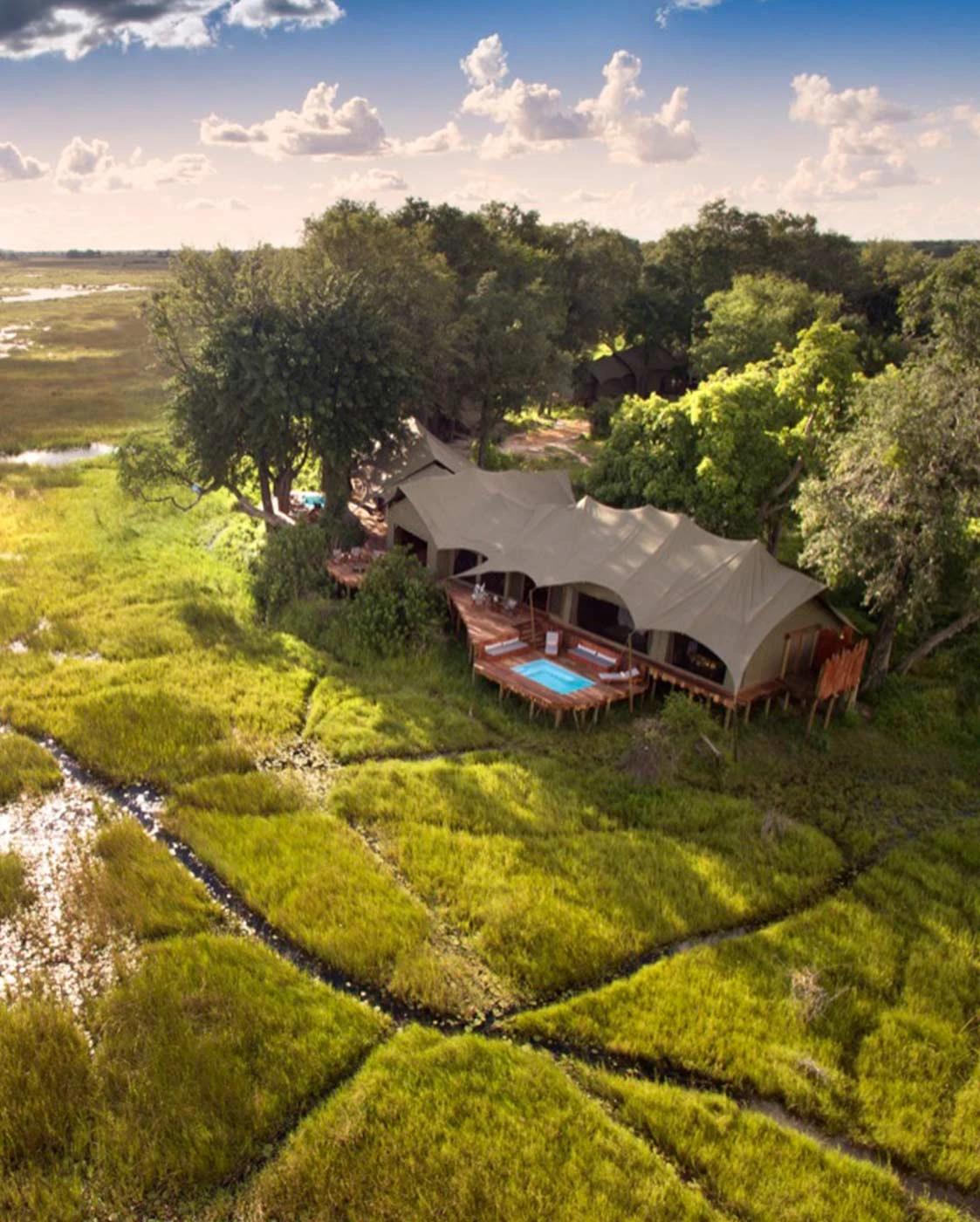
Duba Plains Camp
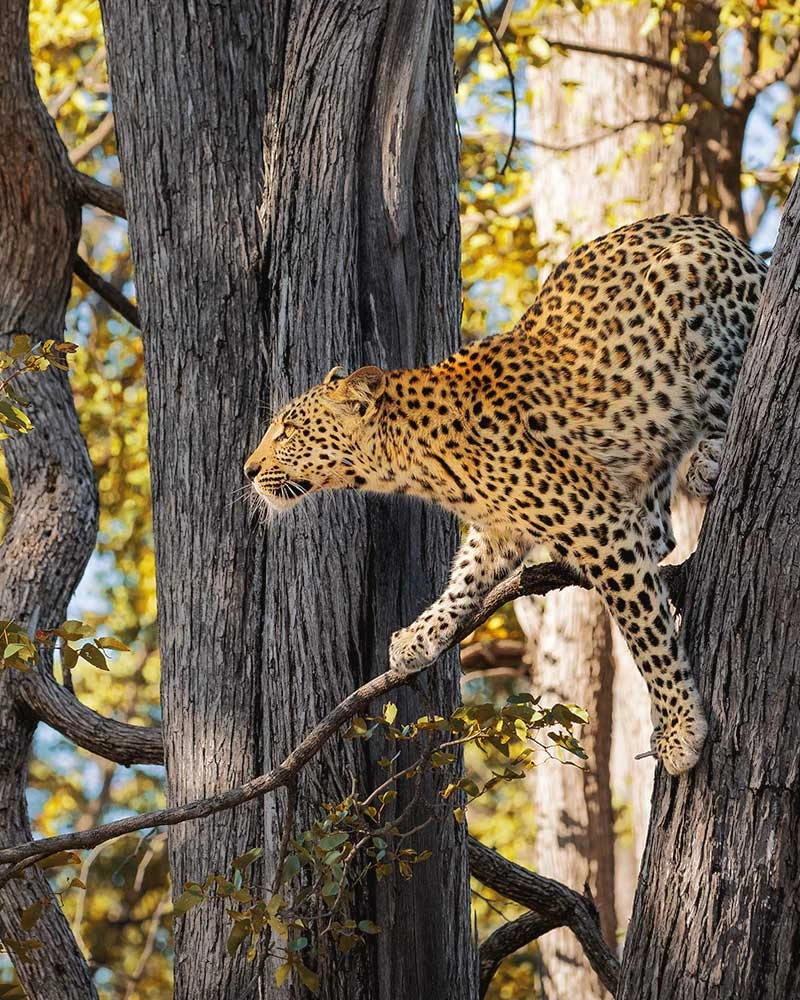
A Great Plains Conservation camp in the northern Okavango, with consistent sightings of Black Rhino and White Rhino.
The camp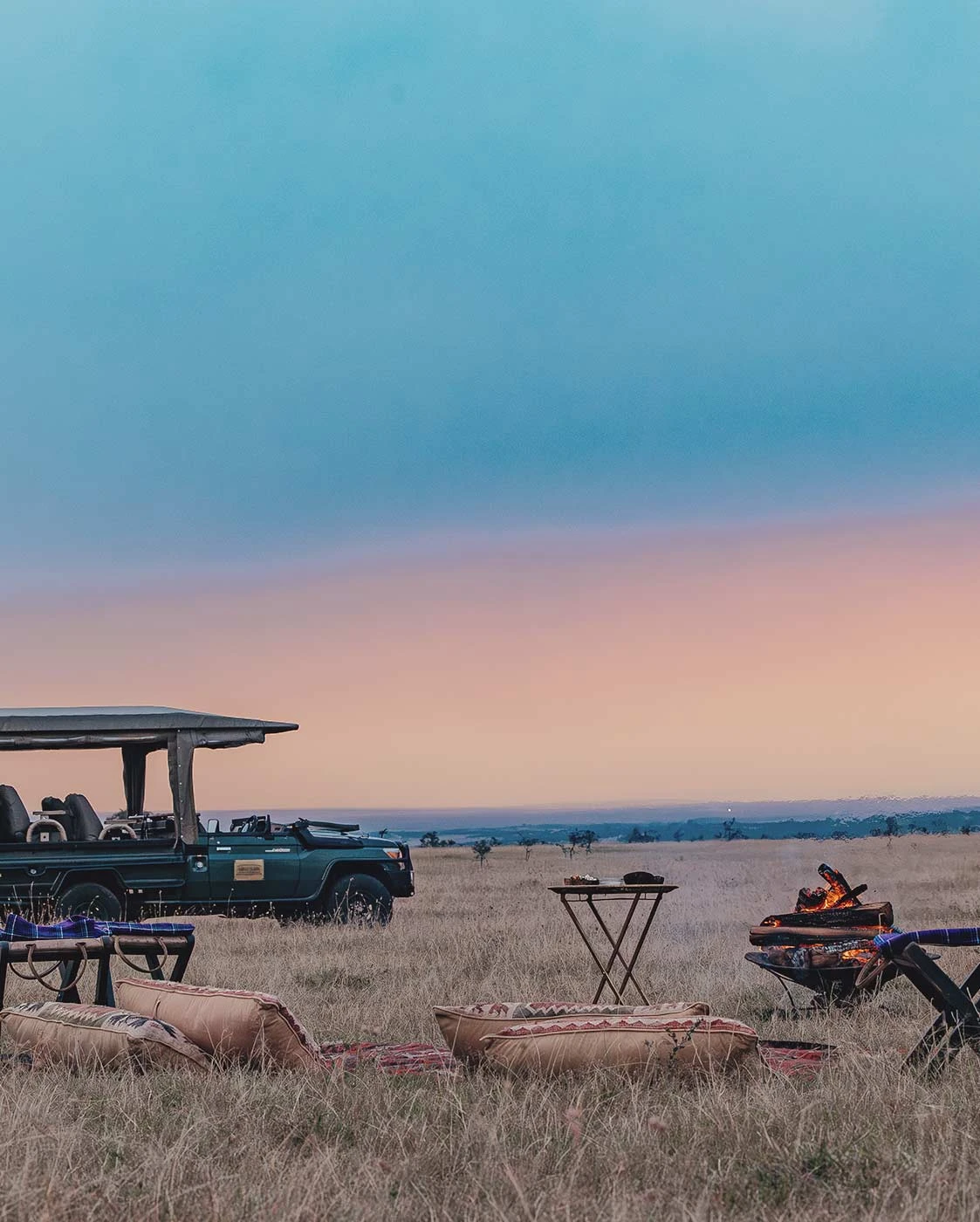
Private Kenya Safari
Kenya’s Rhino country in one exclusive itinerary, from Segera to Private Mara on a private guided journey.
View journeyThe partnersOn the ground
- Ol Pejeta ConservancyLaikipia
- Kenya Wildlife ServiceKenya
- Fauna & Flora InternationalKenya
- BioRescueOl Pejeta
- Wildlife Research and Training InstituteKenya
- Safari Park Dvůr KrálovéCzech Republic
- Jane Goodall InstituteKenya
Working with travel partners and conservation projects in the field, the Guided Safaris® research lab teams share new ideas from across Africa that highlight key conservation efforts on ground. Staying in close contact throughout this supplier chain ensures that the whole network shares a responsible and innovative approach.
Next · Program II
Elephant
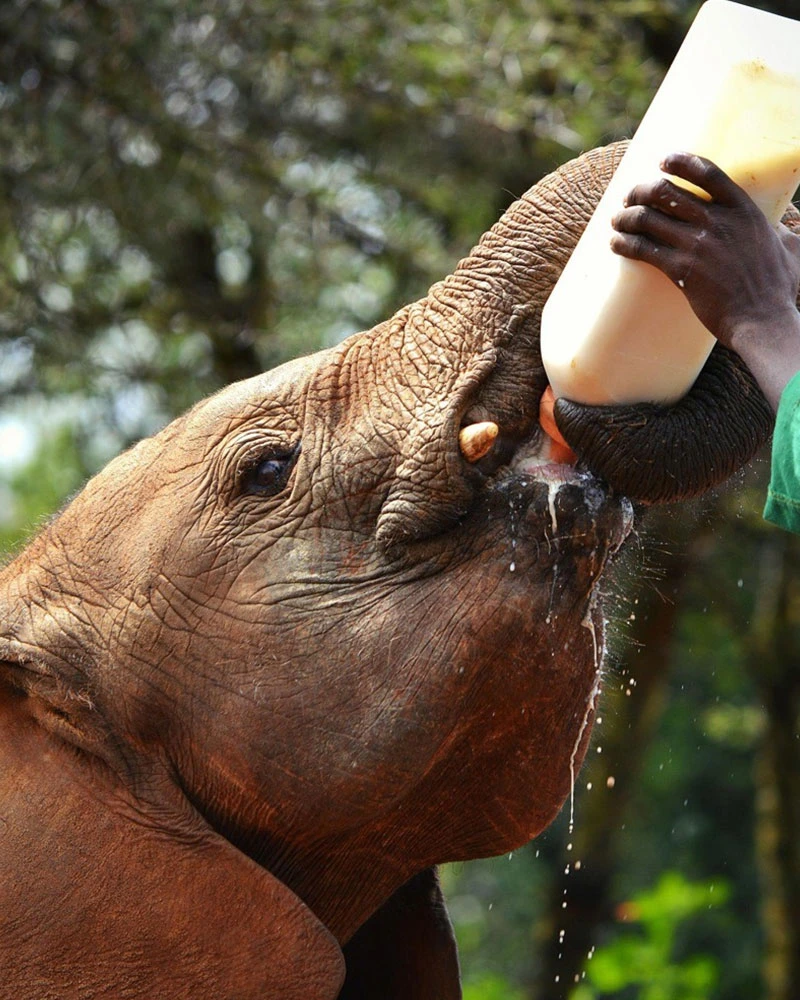
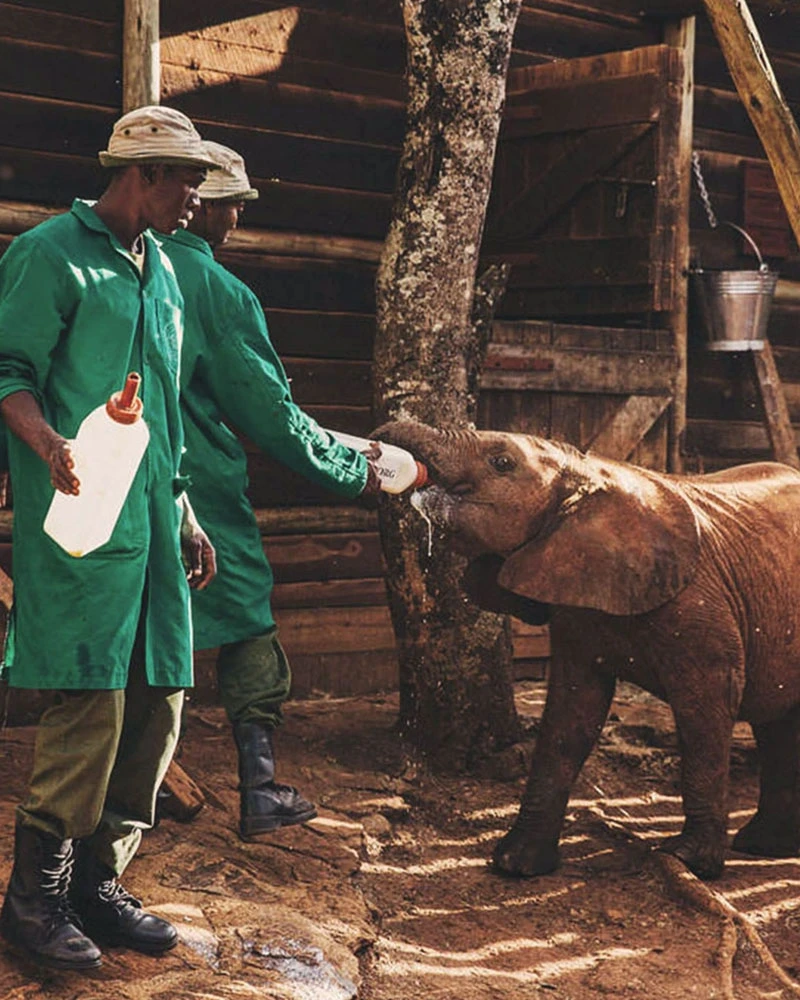
The Sheldrick Wildlife Trust rescues orphaned Elephants in Kenya and raises them until they can return to the wild.
Enter the program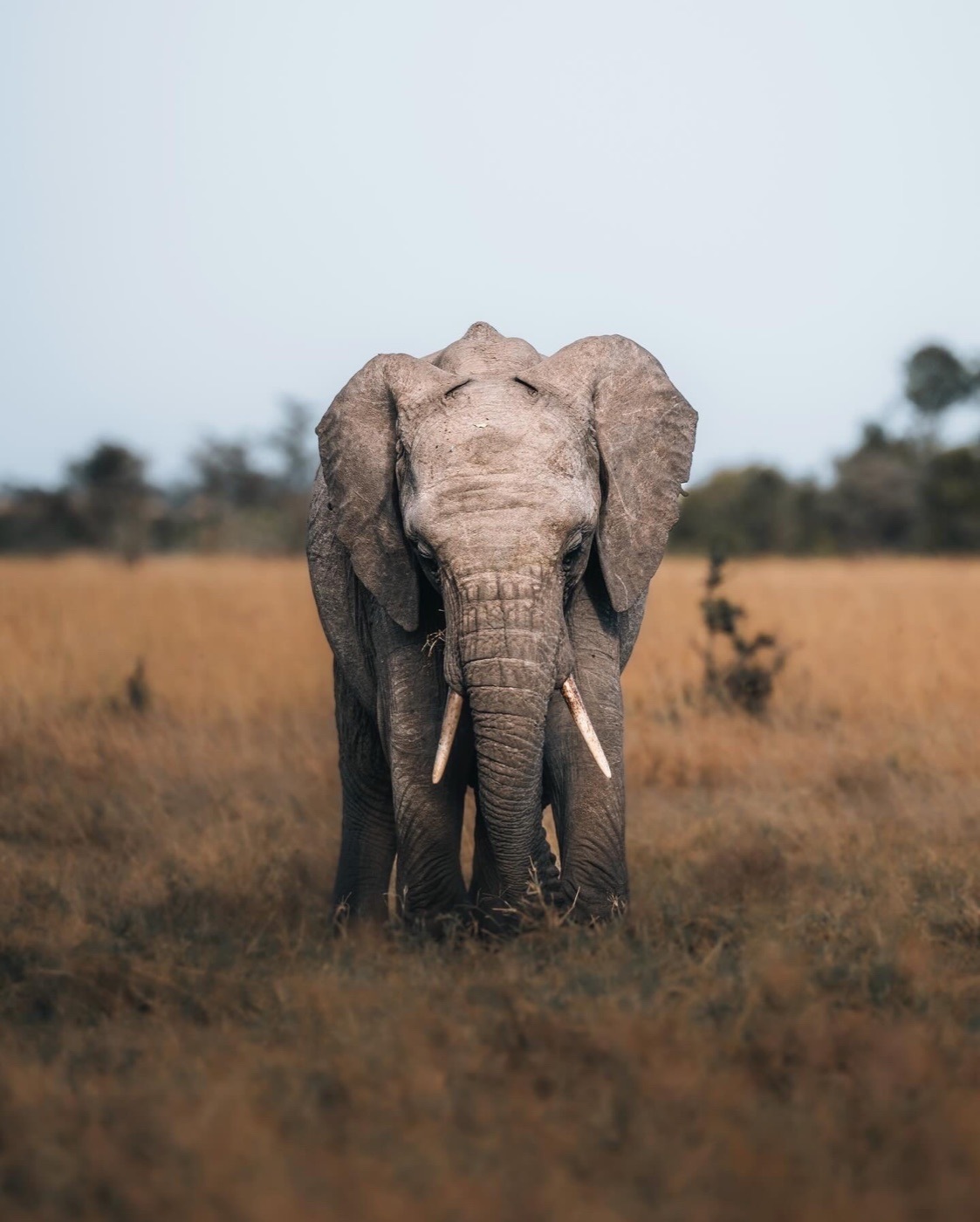
A Living Thread
Conservation at the heart of every journey
Over 30 years in Private African journeys.
Supporting key conservation initiatives across sub-Saharan Africa, Guided Safaris® journeys feature the continent’s finest private game reserves and award-winning eco-luxury camps and lodges that safeguard endangered wildlife through low-impact, sustainable travel.
We are honored to share our stories, safari craftsmanship and commitment to the African wilderness with you.
Discover Signature Journeys