

Great Plains ConservationRhinos Without Borders • Botswana
The long way home
Field notes / 01
Duba Plains
Okavango Delta
2017–2026
The story after the arrival
Twelve Rhino, one extraordinary arrival. At Duba Plains, the story stretches far beyond the day the animals touched the ground — into the quieter work of protecting them and understanding their habitat needs.
The story of Rhinos Without Borders, the founders it brought to Duba and the work that carries on.
Unfold the journey
Four moments
One long commitment
The Rhinos Without Borders story
Guided Safaris® Research Lab · Archives
-
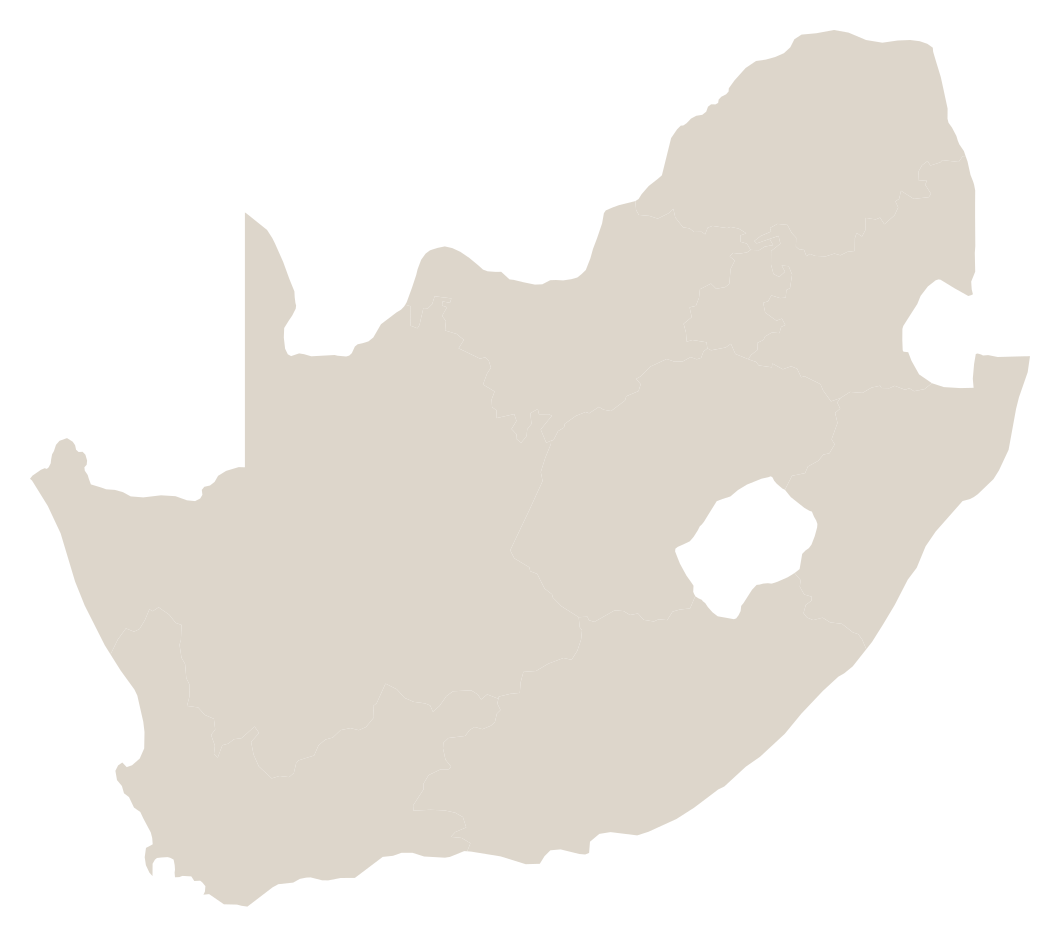
South Africa → Botswana · 2014
A new beginning, carefully planned
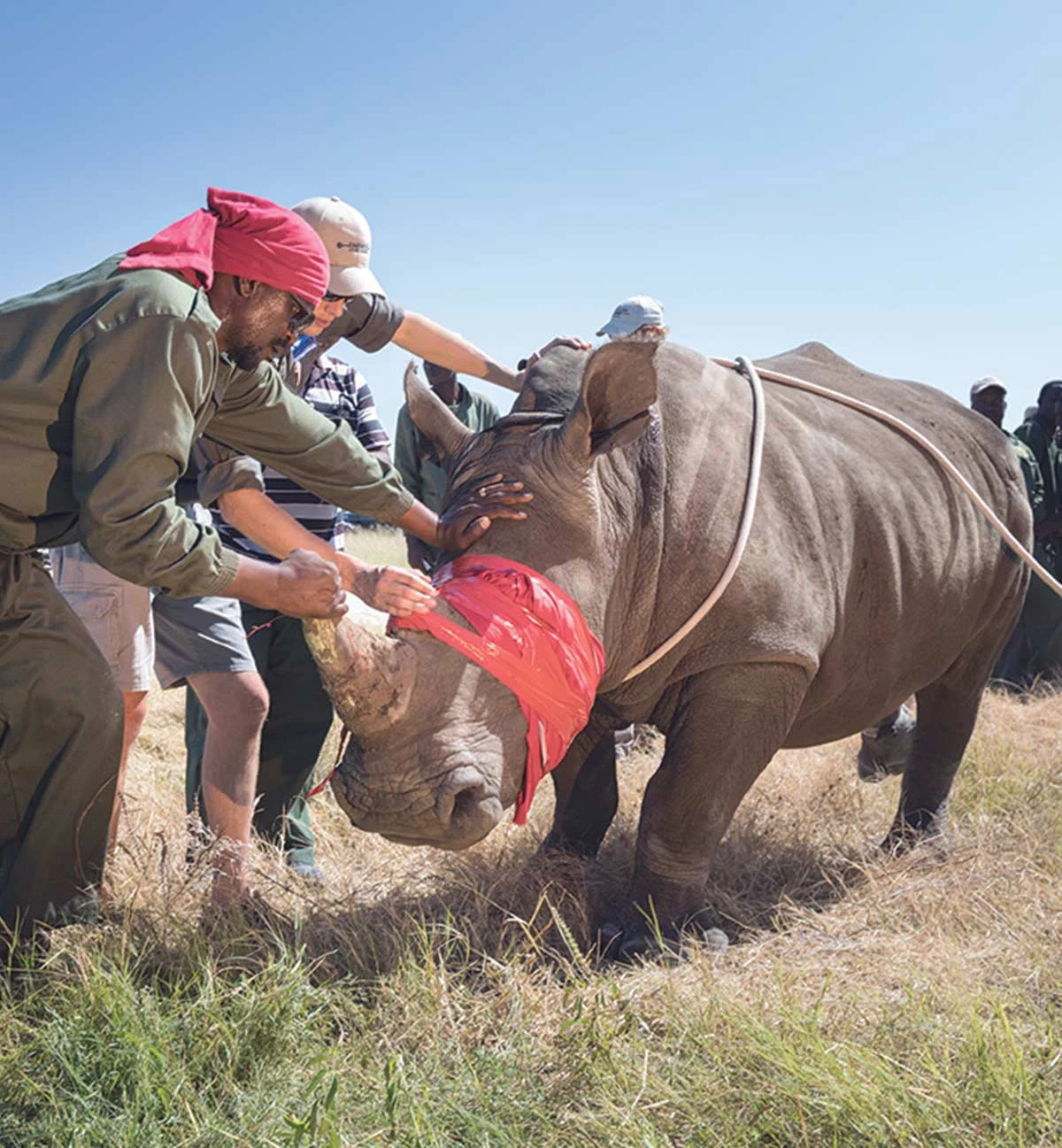
Great Plains Conservation started Rhinos Without Borders in 2014, in partnership with &Beyond, to build new populations away from the poaching pressure in South Africa. The program moved 87 Rhino to Botswana between 2015 and 2018. Twelve were released at Duba Concession.
Every Rhino survived the journey north, the program reports.
Field notes / 02
The place
between the channels
Duba Plains lies in the northern Okavango Delta, a private reserve where Great Plains Conservation runs its camps. Water from the Delta’s northern channels shapes it: papyrus and reed in the permanent swamp; grass on the seasonal floodplains; jackalberry, sycamore fig and wild date palm on the islands. Every Rhino’s arrival became part of that living system.
Key dates
- 2013The groundwork: six White Rhino move from South Africa to Botswana
- 2014Rhinos Without Borders is founded
- 2015The program’s first Rhino reach Botswana from South Africa
- 2017Twelve White Rhino from South Africa are flown north and released at Duba Plains
- 2018The last moves, 87 Rhino brought to Botswana since 2015
- 2020The program turns from moving Rhino to monitoring and protecting them
- 2022Great Plains takes over the program, and the Foundation’s first women rangers begin training
- 2024A complete aerial survey of the Duba Concession
- 2025A two-year study begins of how the land can sustainably support grazers
- 2026Monitoring carries on through the Delta’s high floods
Line one · Rhino purchase
$12,500
A new haven
The program purchased Rhino from South Africa to start new populations in the Okavango. This is the story of how they came to Duba.
The aim was to give the species more than one stronghold. With poaching pressure high in South Africa, Great Plains Conservation set out to build new populations of Rhino in Botswana’s Okavango Delta, a new haven where the species could grow far from that pressure.
In 2014 the idea took a name, and between 2015 and 2018 Rhinos Without Borders carried Rhino from South Africa to sites across Botswana, by road and by air.
Duba’s share came in 2017. Each move began with a purchase, $12,500 of the $50,000 the program budgeted for every Rhino it moved. A purchase like this compensates the reserve whose protection built up the population, and in South Africa that return has helped private reserves keep White Rhino on their land and grow their numbers. Donors stood behind the moves. The SwissAfrican Foundation gave $45,000 toward moving a single Rhino that year.
Guided Safaris® took the Rhino’s story to its private clients, and their fundraiser gave close to $100,000 to the program.
Line two · Capture, quarantine and translocation
$25,000
The last leg, by air
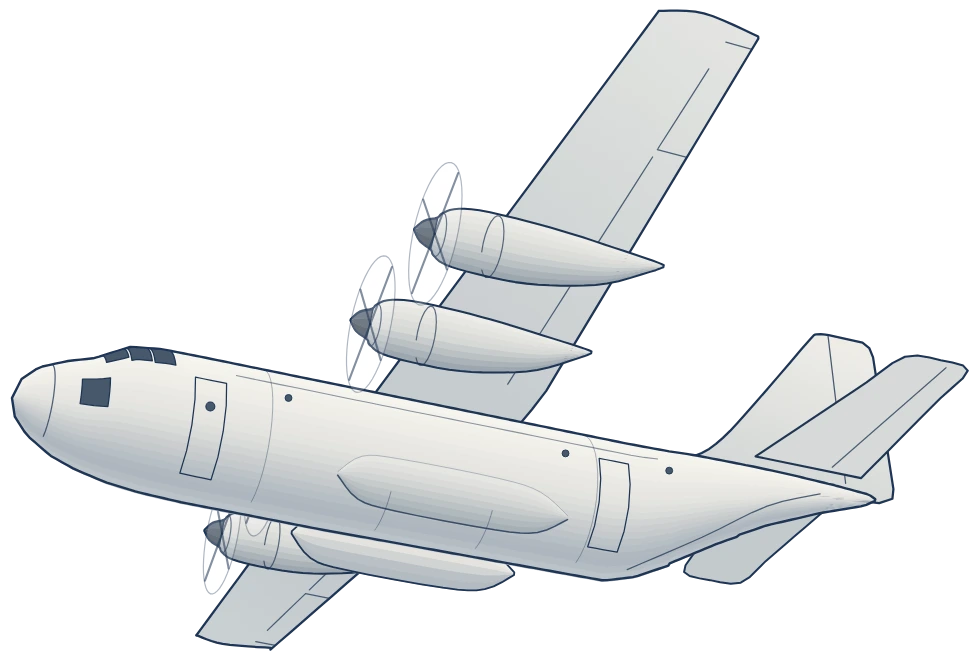
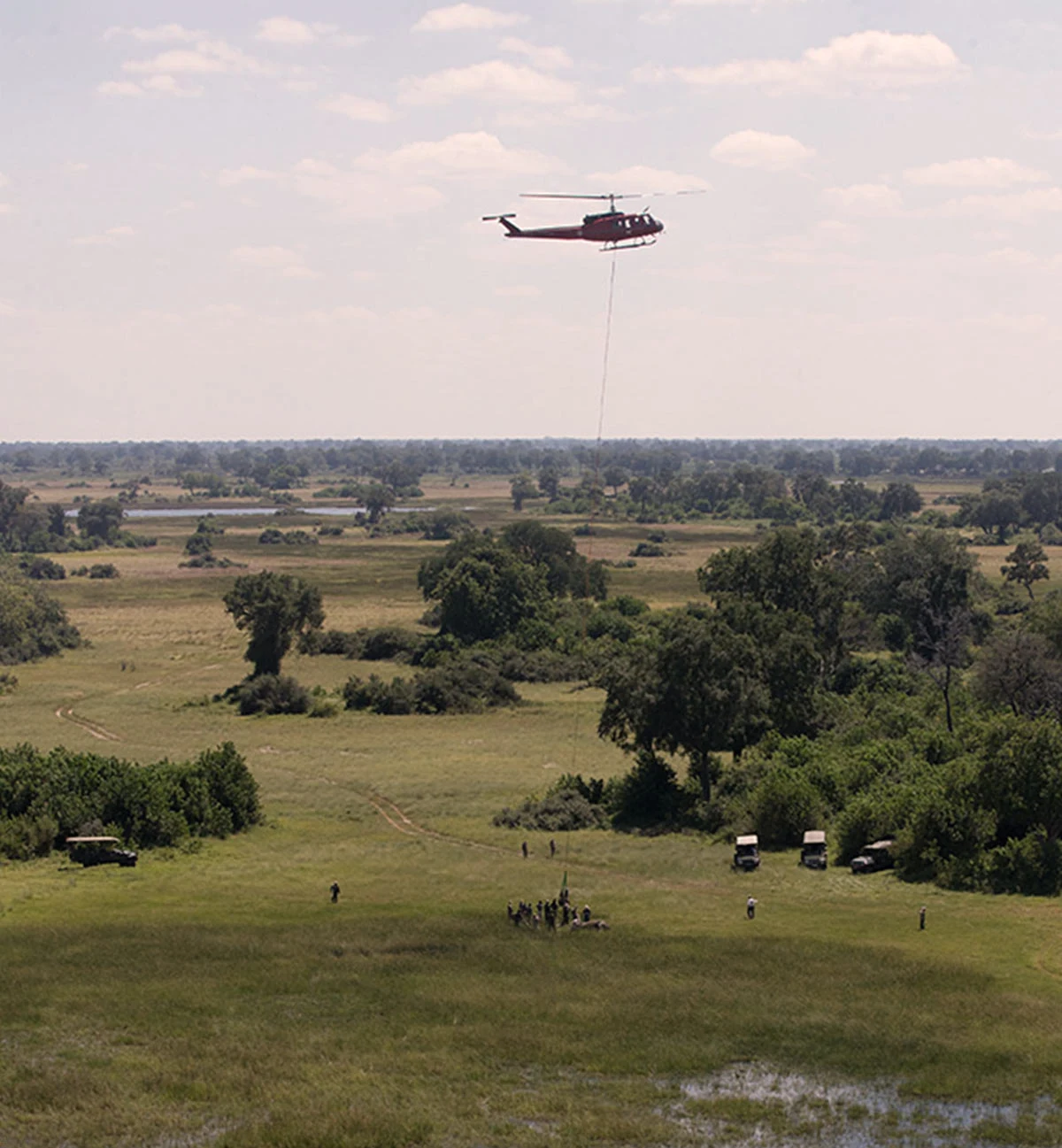
A C-130 to an airstrip in the Delta, then the final stretch beneath a helicopter. Half of every Rhino’s budget went to the journey.
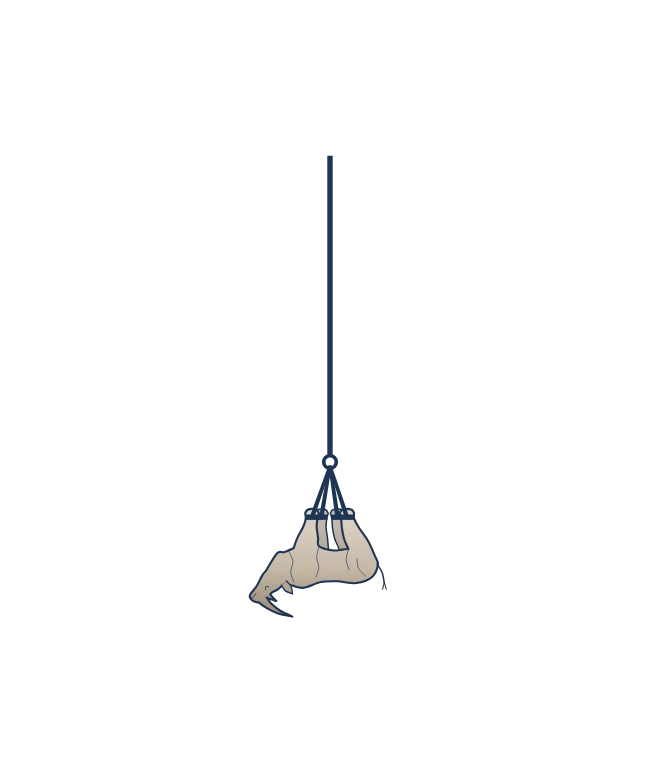
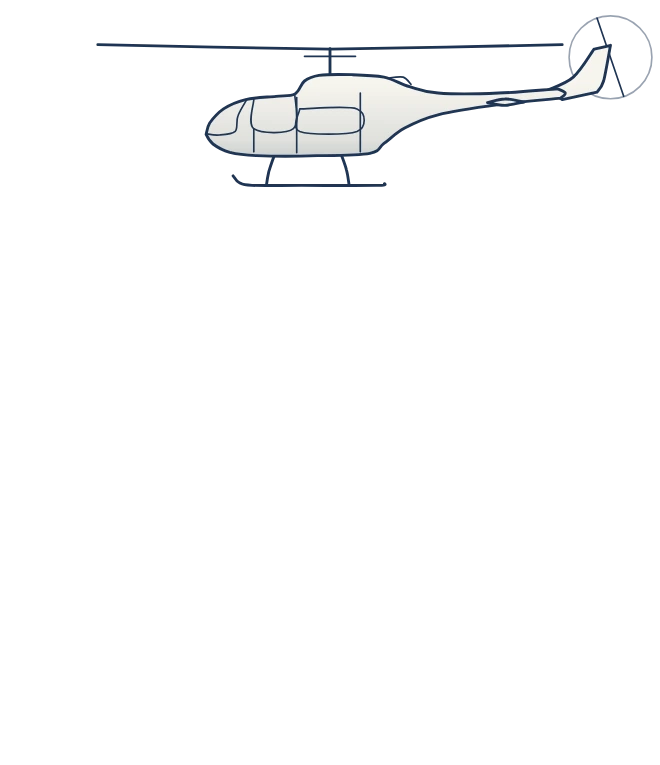
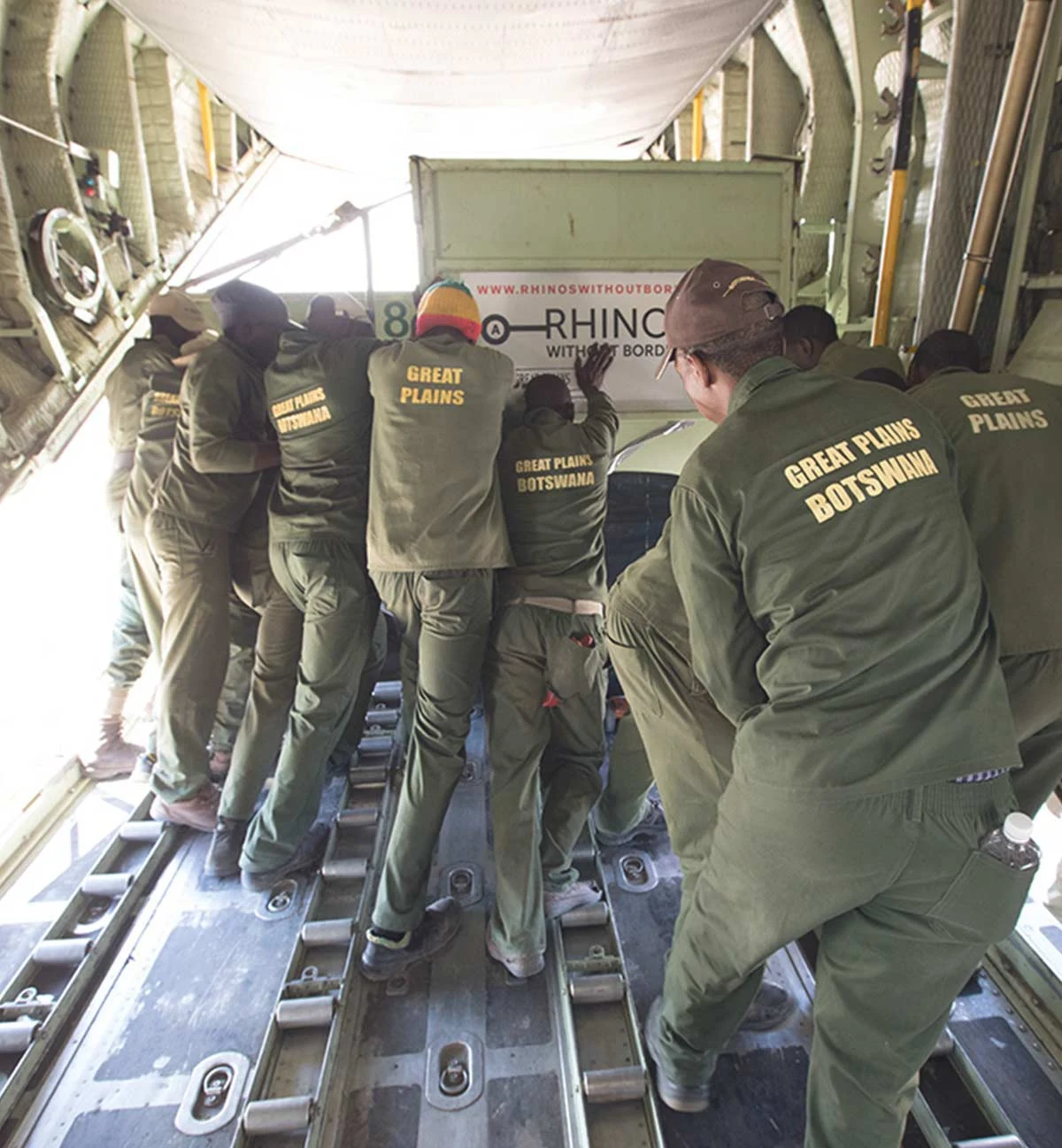
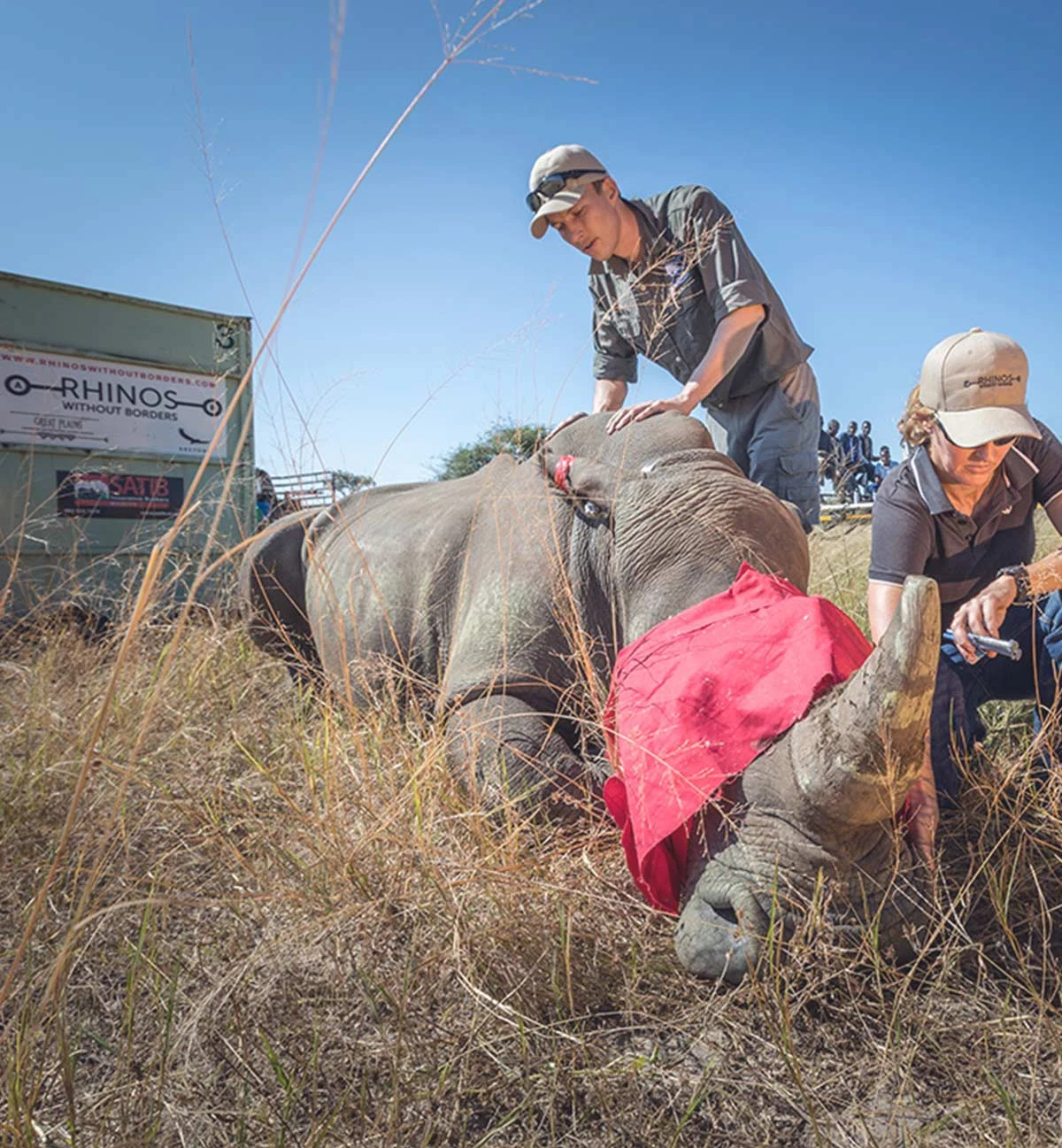
A Botswana Defence Force C-130 carried the Rhino to an airstrip in the Delta. From there each one was slung beneath a helicopter, hanging by its feet, flown into remote habitat no vehicle could reach and revived on the ground.
The science of the sling
The nearest study is a 2021 paper by Radcliffe and colleagues in the Journal of Wildlife Diseases. The team compared wild Black Rhino hanging by the feet from a crane for about 10 minutes with the same animals lying on their side.
- Arterial oxygen, hanging
- +4 mm Hg
- Carbon dioxide, hanging
- −3 mm Hg
Breathing held up while the Rhino hung by the feet, and some measures of gas exchange improved slightly.
The moves were followed closely. A 2022 study tracked 72 Rhino, White and Black, released in the Okavango between 2014 and 2018 by several programs, Rhinos Without Borders among them, and every one lived beyond its first year. Two White Rhino were moved a second time, and both then settled.
Line three · Security and monitoring, three years
$12,500
The years of watching over them
A quarter of every Rhino’s budget went to three years of security and monitoring, and the watch has carried on since.
In 2020 the Great Plains Foundation turned from moving Rhino to protecting them, putting its resources into security and monitoring at a time when the poaching pressure was increasing, as the world stood still. Monitoring teams looked after the Rhino day to day, and that year Great Plains camp guides joined the program’s rangers on patrol.
In March 2022, with the agreed three years of monitoring complete, Great Plains took over the program. That June the Great Plains Foundation named its first women unit leaders, the start of a team of women rangers in the Okavango. The Foundation’s rangers now train on EarthRanger, which logs wildlife and incidents in real time.
At Duba, the work turned to the land itself. The Foundation flew a complete aerial survey of the concession in 2024, its images tagged to train machine learning, and in 2025 began a two-year study with the Okavango Research Institute of how the land can sustainably support grazers and how they share its food and space.
The operation on film
Field film / 52 seconds
Translocation footage · Archives
Field notes / 03
The years
that followed
A new generation
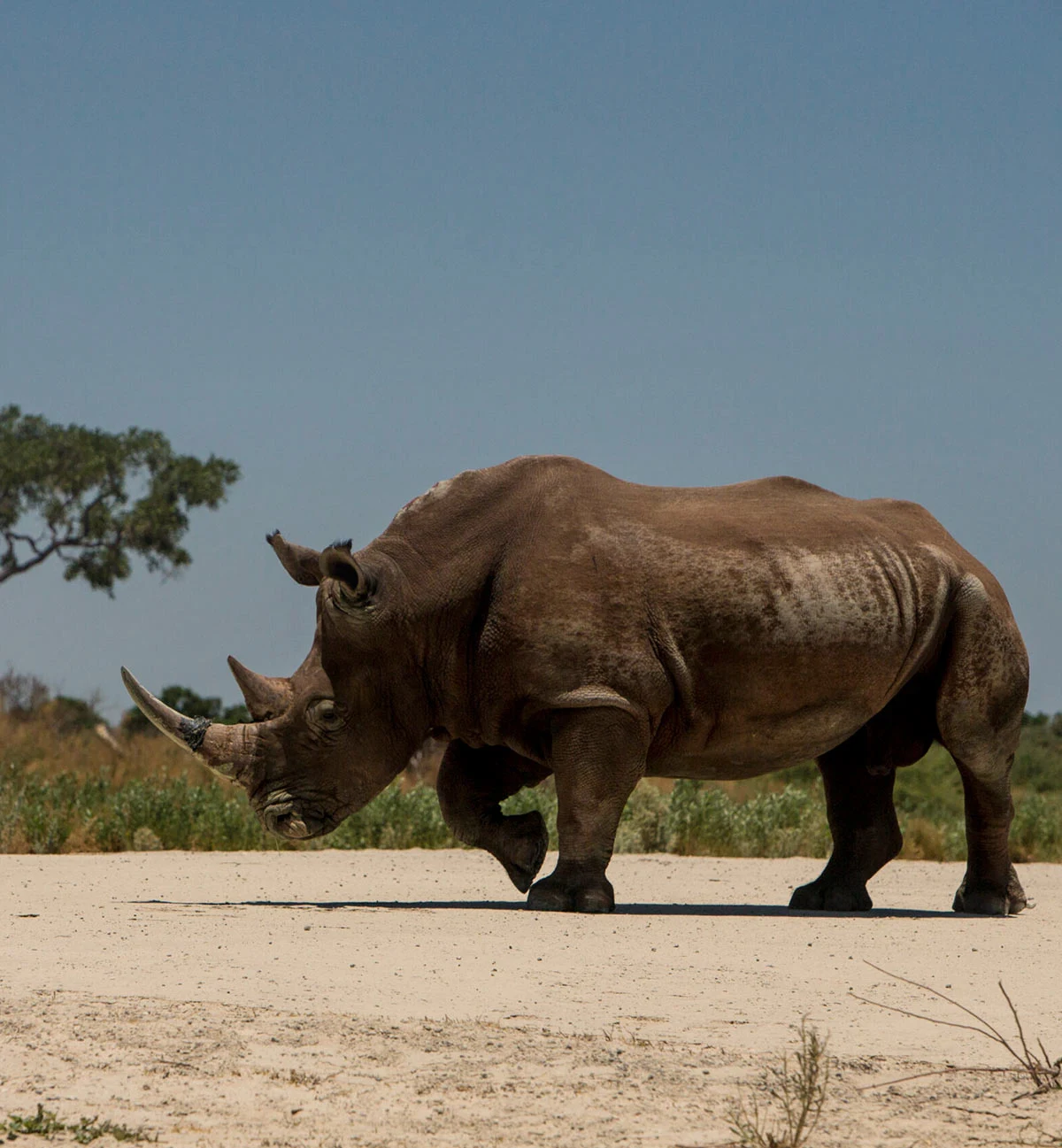
Calves were arriving across the program by 2019, and by March 2022 the partners reported that every mature female the program had moved had calved.
Lifted from the flood
In 2021 a mother and calf from the program, cut off on an island by the rising flood, were lifted to safety beneath a Black Hawk helicopter. Great Plains made the rescue with Reclaimed Earth, which helped fund the flight.
Experience carried forward
The teams and skills built through Rhinos Without Borders went on to Great Plains’ rewilding work in Zimbabwe. In March 2026 the Great Plains Foundation helped return Rhino to Kidepo Valley National Park in Uganda.
The next chapter
What the land
sustains
At Duba, the study with the Okavango Research Institute is measuring how the land can sustainably support grazers, season by season. The answers will guide the work for years to come.
Travel with the workSignature Guided Safaris® Journeys

Segera Retreat
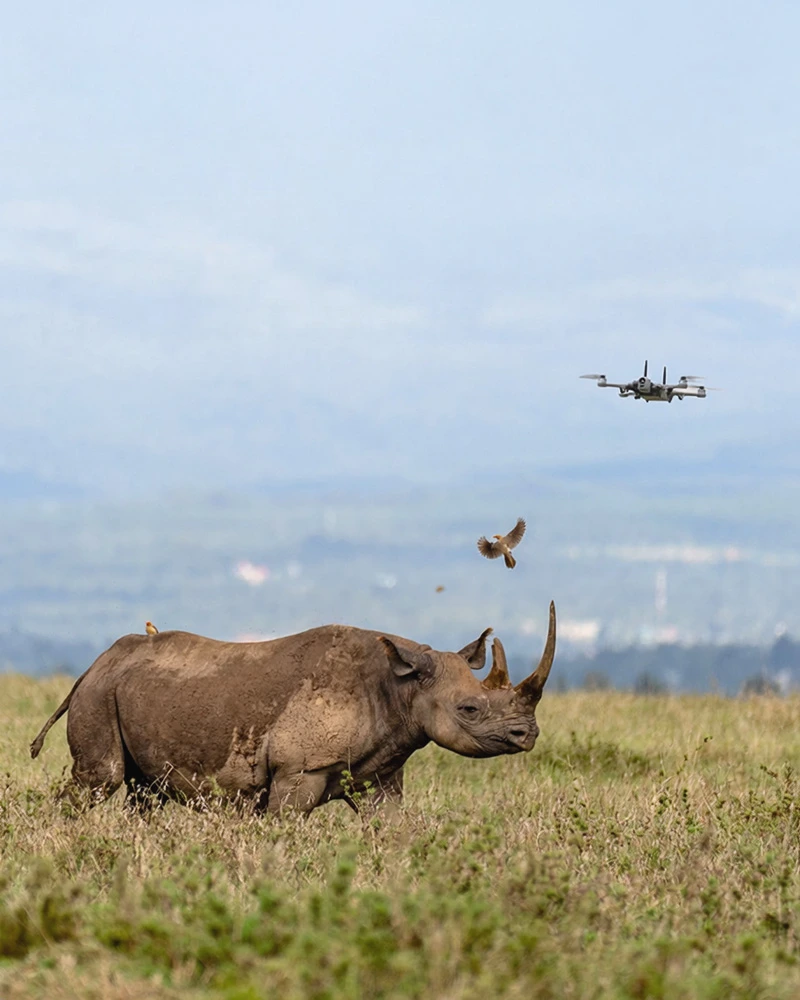
Stay in the private Laikipia reserve where Eastern Black Rhino came home in 2025, with Mount Kenya on the horizon.
The lodge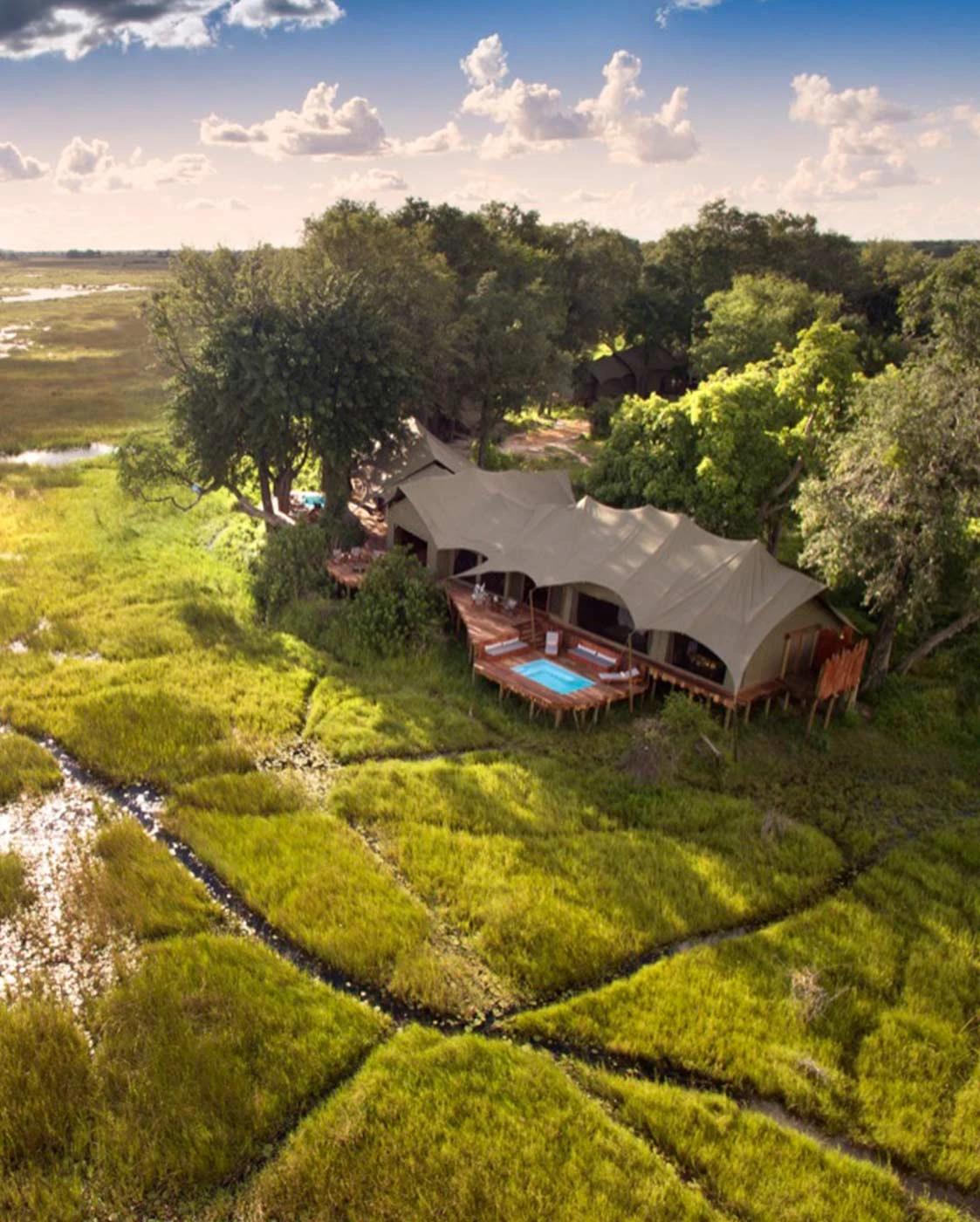
Duba Plains Camp
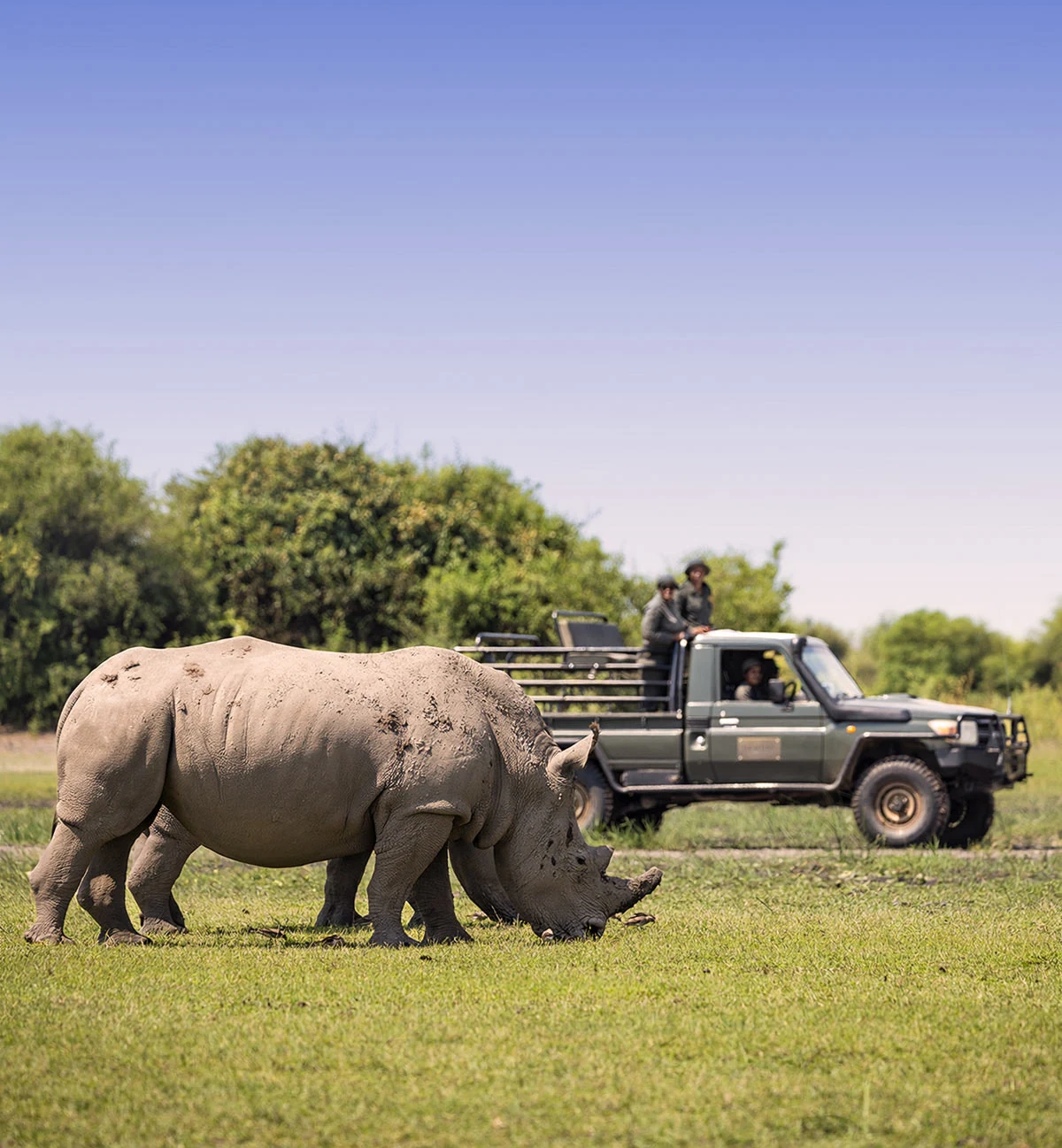
A Great Plains Conservation camp in the northern Okavango, with consistent sightings of Black Rhino and White Rhino.
The camp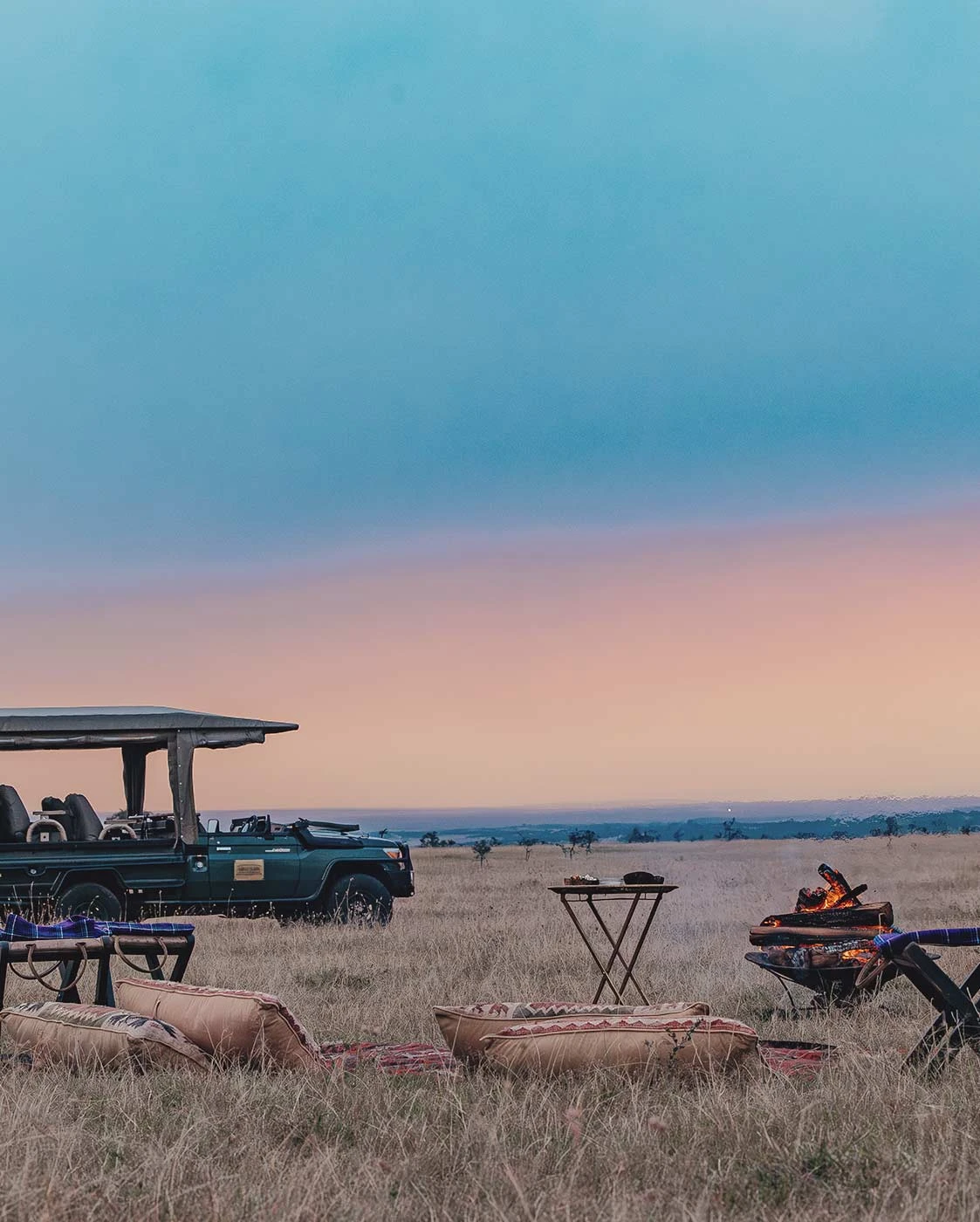
Private Kenya Safari
Kenya’s Rhino country in one exclusive itinerary, from Segera to Private Mara on a private guided journey.
View journeyThe partnersOn the ground
- Great Plains ConservationBotswana
- Rhinos Without BordersBotswana
- Botswana Defence ForceBotswana
- Department of Wildlife and National ParksBotswana
- Rhino Conservation BotswanaBotswana
- Okavango Research InstituteMaun
- Reclaimed EarthOkavango
Working with travel partners and conservation projects in the field, the Guided Safaris® research lab teams share new ideas from across Africa that highlight key conservation efforts on ground. Staying in close contact throughout this supplier chain ensures that the whole network shares a responsible and innovative approach.
Next · Program II
Elephant
The Sheldrick Wildlife Trust rescues orphaned Elephants in Kenya and raises them until they can return to the wild.
Enter the program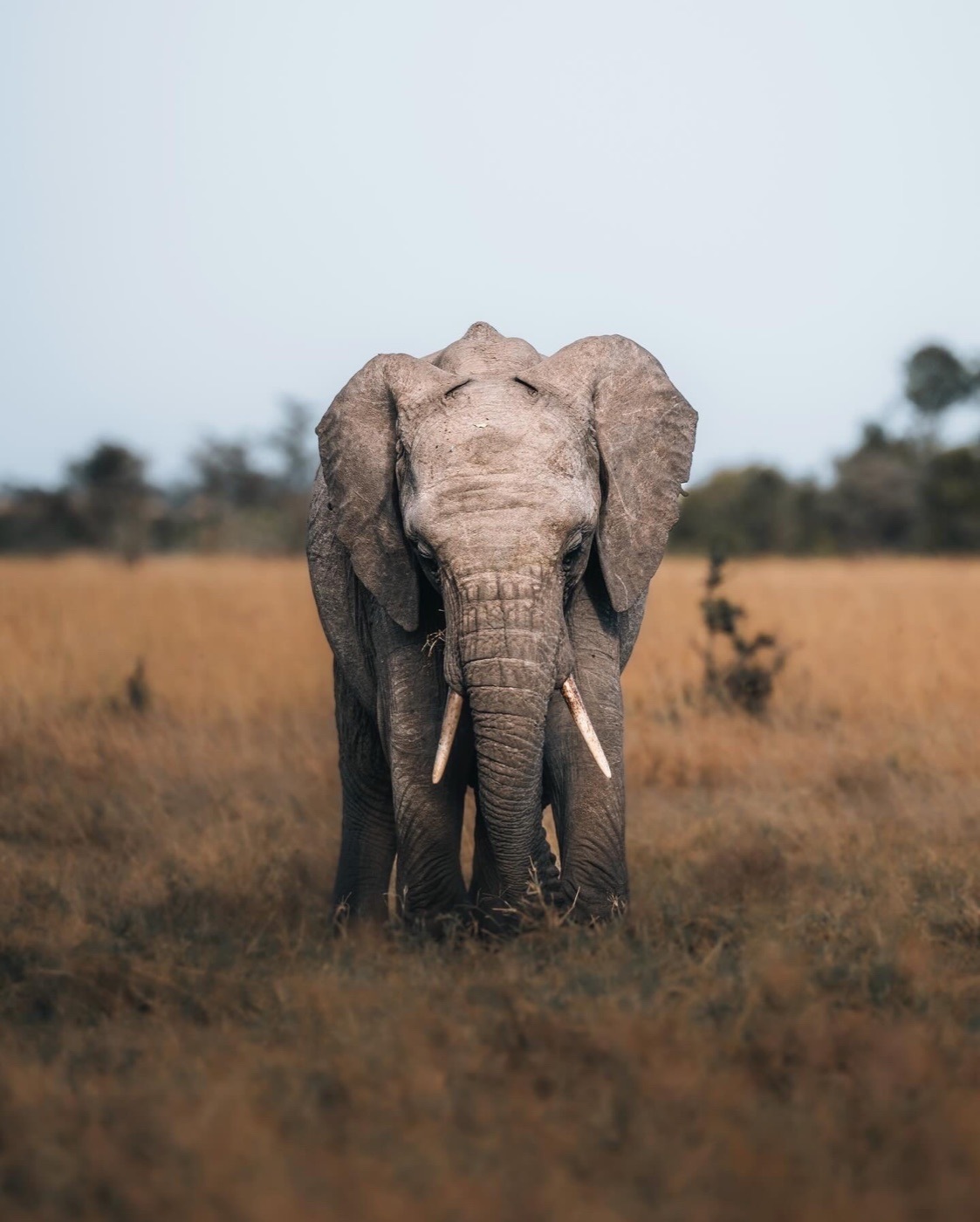
A Living Thread
Conservation at the heart of every journey
Over 30 years in Private African journeys.
Supporting key conservation initiatives across sub-Saharan Africa, Guided Safaris® journeys feature the continent’s finest private game reserves and award-winning eco-luxury camps and lodges that safeguard endangered wildlife through low-impact, sustainable travel.
We are honored to share our stories, safari craftsmanship and commitment to the African wilderness with you.
Discover Signature Journeys