
Program I · Black Rhino
Translocation footage · Archives
Roomto grow
Kenya has brought its black rhino back from a few hundred to 1,147. The next 10 years are about space: new sanctuaries, and the founders who will seed them.
Eastern black rhino
Status
Critically endangered
3 crucial projects
- Segera Rhino Sanctuary
- Ol Pejeta Conservancy
- Duba Concession
At a glance
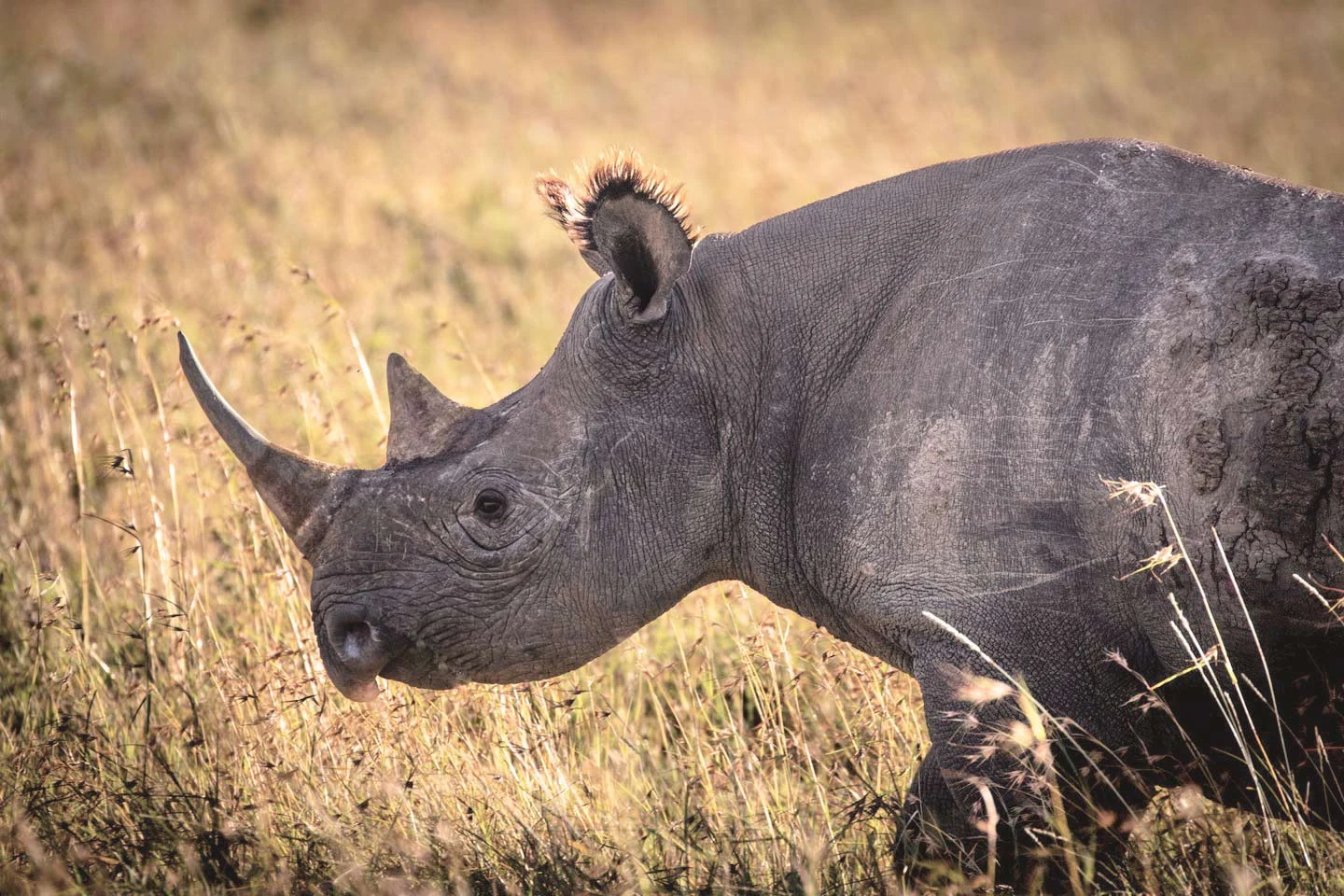
The Eastern Black Rhino is a subspecies of the Black Rhino.
Species
Black Rhino
Diceros bicornis
The species as a whole, once made up of four subspecies
- Surviving subspecies
- Three: Eastern Black Rhino (D. b. michaeli), South-central Black Rhino (D. b. minor) and South-western Black Rhino (D. b. bicornis). The fourth, Western Black Rhino, is extinct.
- Shared traits
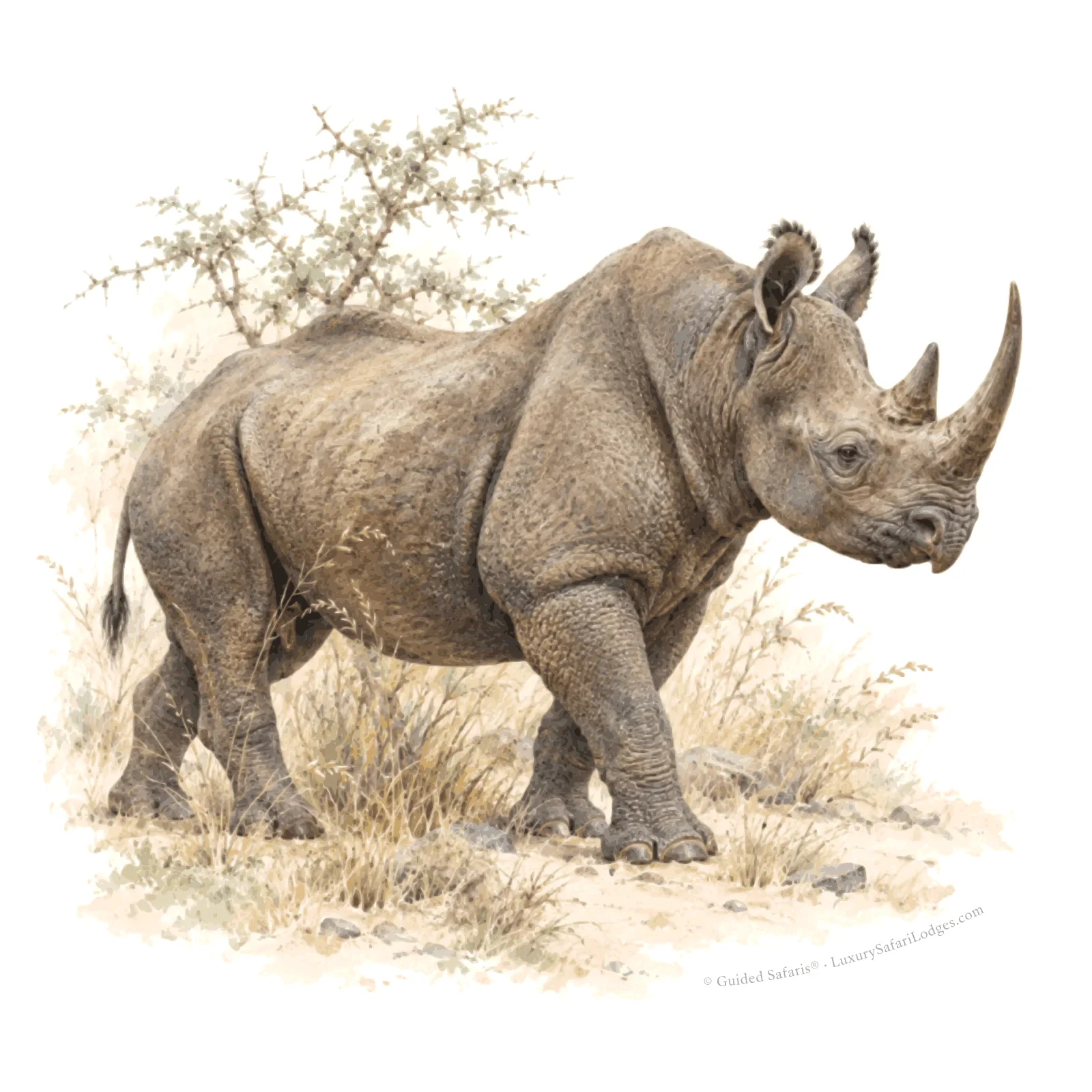
- Dark gray to brown browsers with two horns and a pointed, hooked upper lip for plucking leaves from trees and bushes
Subspecies
Eastern Black Rhino
Diceros bicornis michaeli
- Range
- East Africa, chiefly Kenya and Tanzania
- Horn
- Longer, leaner and more sharply curved than in the other subspecies
- Skin
- Heavily grooved and textured
- Temperament
- Generally more aggressive and temperamental than the other subspecies
- Status
- The most endangered of the surviving subspecies, with a small remaining population
I · i
Segera Rhino Sanctuary
Laikipia, Kenya · ZEITZ foundation · 2025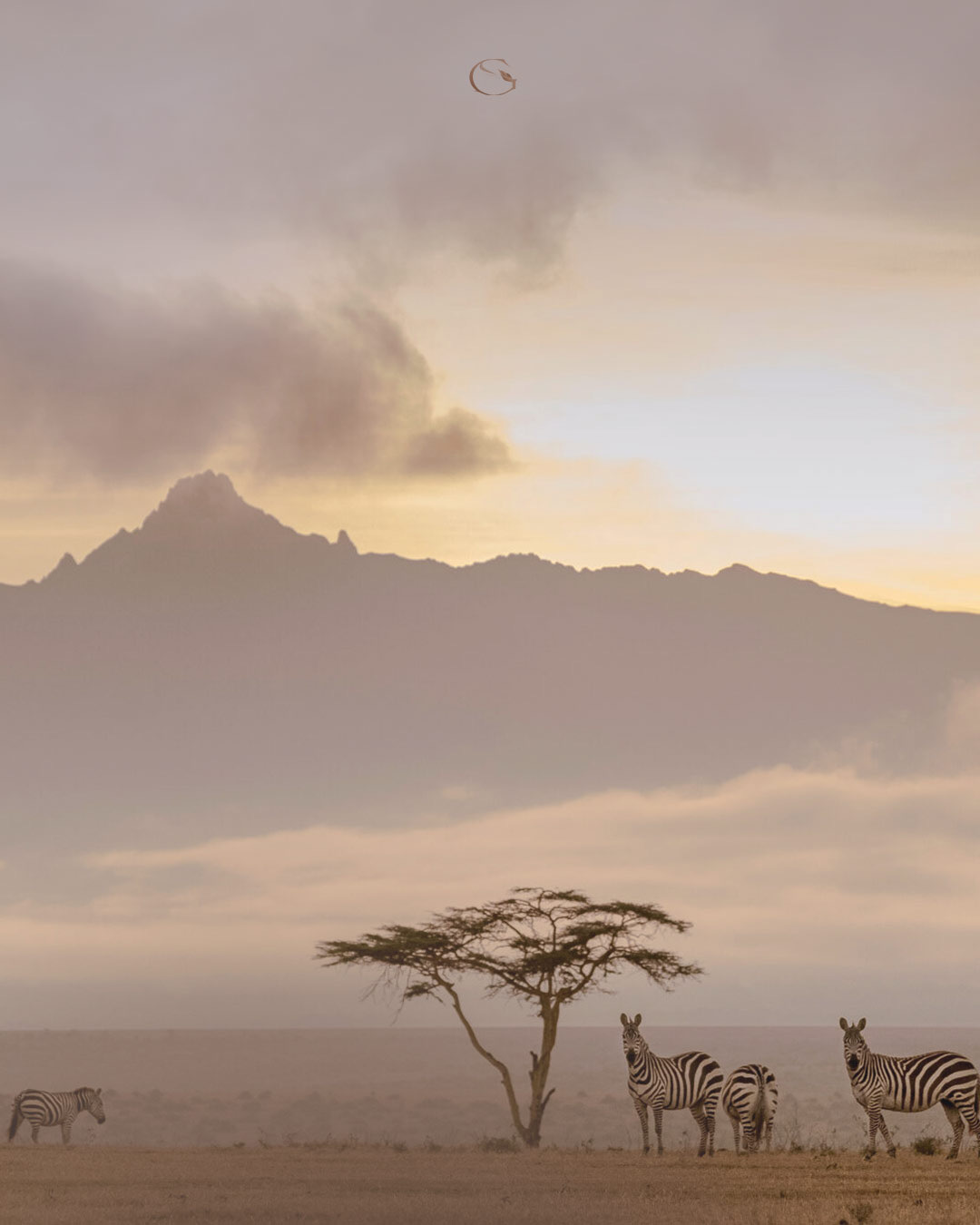
The return
Home after 60 years
Eastern Black Rhino return to Mount Kenya region
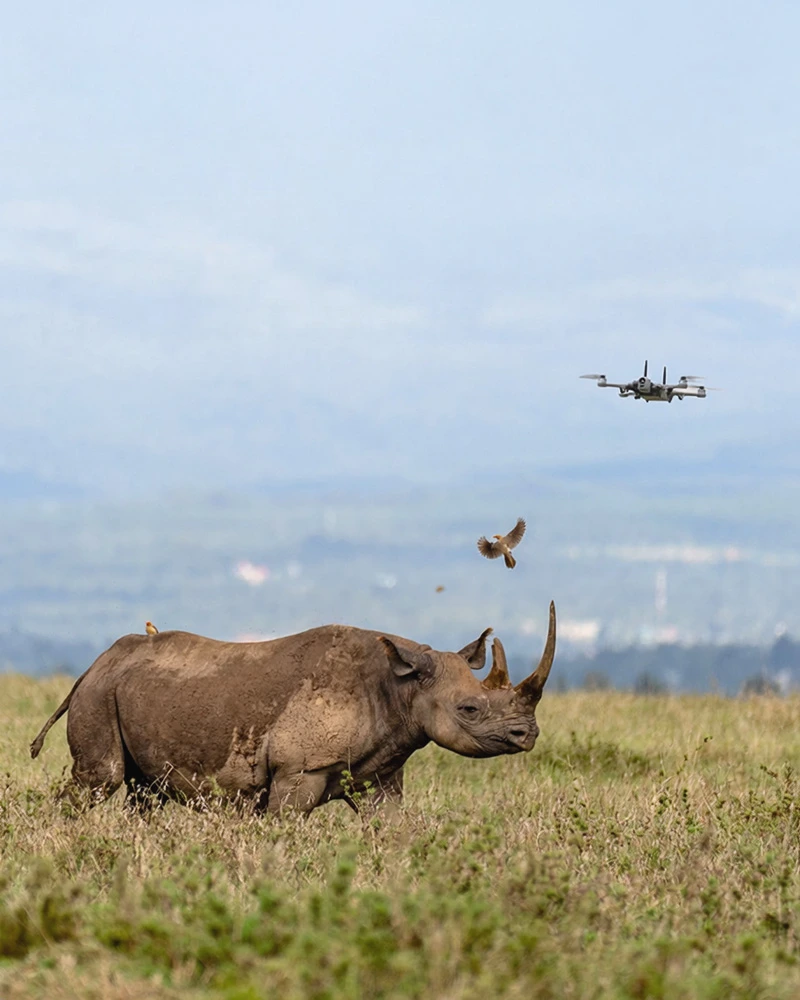
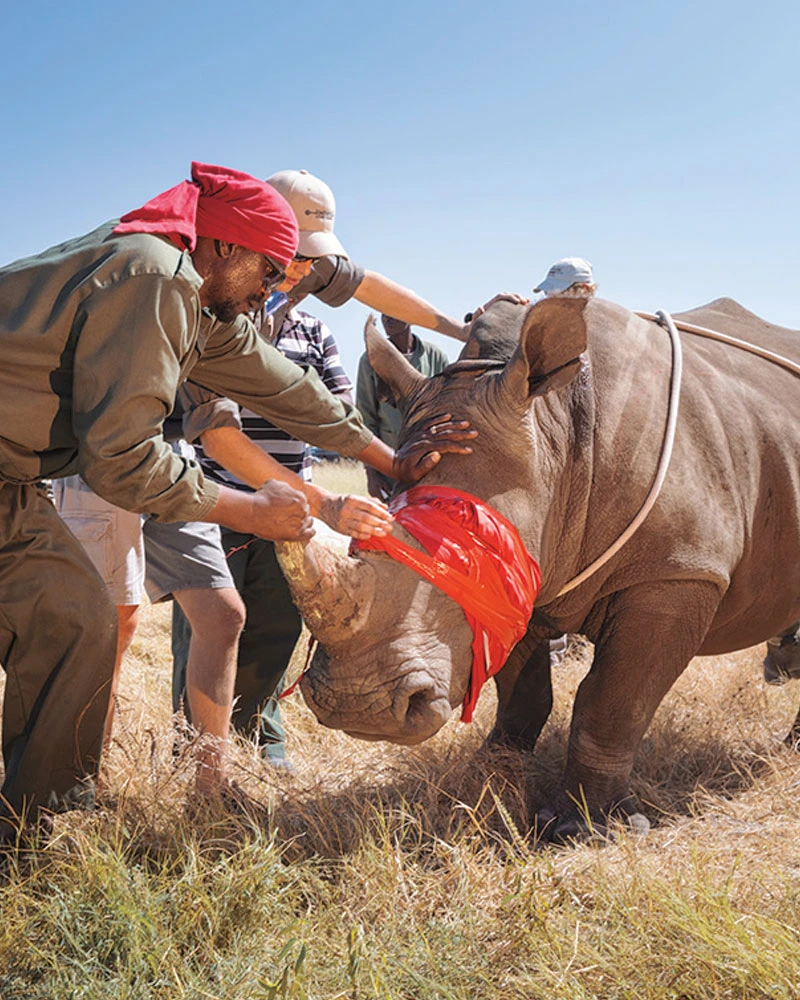
Over two weeks in May and June 2025, a Kenya Wildlife Service operation moved 21 Eastern Black Rhino into a new enclosed sanctuary within Segera’s 50,000‑acre reserve: nine from Ol Pejeta, nine from the Lewa–Borana landscape and three from Lake Nakuru National Park.
They are the first Rhino on Segera’s land in 60 years.
The move capped years of preparation. Segera’s first all-women ranger unit, 12 strong, was certified in September 2019. Fencing, roads and community consultation followed, and the Kenya Wildlife Service gave its final approval in August 2024. Visitors now meet Kitui, a hand-raised male who, like his older brother Elvis, was raised by keepers at Lewa.
The first year had its trials. In July 2025, a founder female was found dead with lions nearby, her horns intact. In the first week, two Rhino broke out of the sanctuary; both were tracked by helicopter and safely returned.
Sustaining the population’s growth will take more land. The partners in this effort plan to connect wildlife corridors from Lewa and the surrounding sanctuaries to Segera, giving the Rhino room to range across a wider landscape.
- Founders
- 21 Eastern Black Rhino Diceros bicornis michaeli
- Dates
- Over two weeks in May and June 2025
- Origins
- Ol Pejeta, the Lewa–Borana landscape and Lake Nakuru
- Led by
- Kenya Wildlife Service Cabinet Secretary Rebecca Miano presided at the launch at Ol Pejeta
- Where
- Dedicated sanctuary in the 50,000-acre Segera conservancy
- Rangers
- First all-women unit, 12 rangers, certified
The new sanctuary
Segera is a unique private reserve in Laikipia, part of the wider Ewaso ecosystem. Kenya’s national recovery plan for the Black Rhino called for a sanctuary here before a single Rhino moved.
Protecting Rhino is expensive. Keeping them safe from the constant risk of poaching calls for an intensive, well-coordinated range of protective assets, and in a founder population the average cost comes to around $25,000 per Rhino a year. Working at scale, partnering with other conservancies and securing long-term philanthropic support can help the program bring that down by more than half, to $10,000 per Rhino a year. Pooling resources lowers hard costs and raises impact, making Rhino conservation more manageable and more sustainable. Learn more about the program and how far your support can go.
I · ii
Duba Plains Concession
Okavango Delta, Botswana · Great Plains Conservation · 2017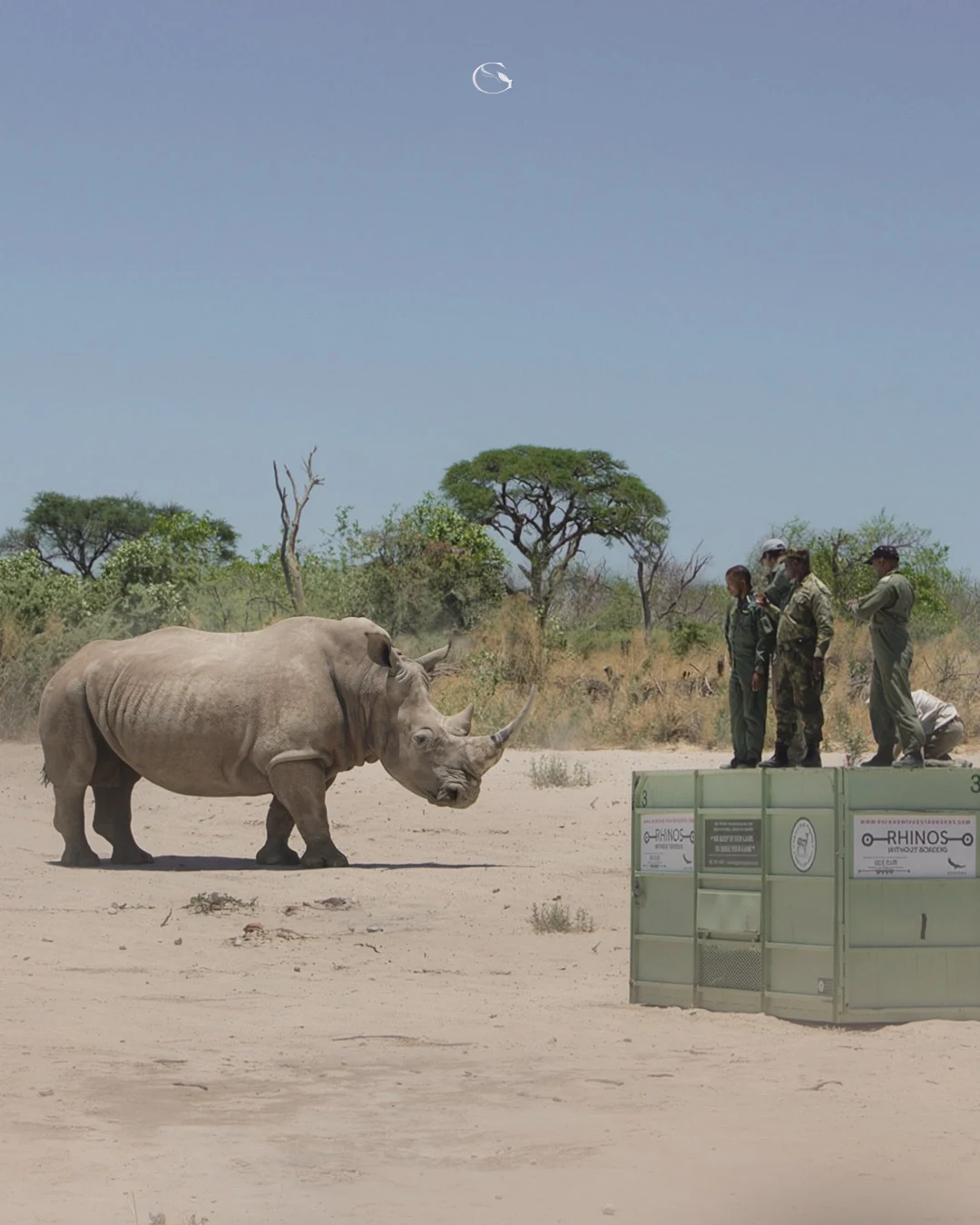
Rhinos Without Borders
Great Plains Foundation
Relocating Rhino from South Africa’s poaching hotspots to safe haven in Botswana
In 2017, Rhinos Without Borders released 12 White Rhino at Duba. Each arrived on a Botswana Defence Force flight and was then slung beneath a helicopter into remote habitat. They were among the 87 Rhino the program moved from South Africa to Botswana between 2015 and 2018, away from the poaching pressure in the south.
Calves followed, more than 62 across the program by the partners’ March 2022 tally. Then, in a sudden turn, Botswana recorded 138 Rhino poached, and the government moved vulnerable survivors out of the Delta. The Duba concession sustained no losses and proved the most viable sanctuary. Since 2022, Great Plains has stewarded Rhinos Without Borders alone.
With that success, the project’s focus has turned to monitoring and protection, carried by a dedicated team of rangers who guard the Rhino with fierce energy and commitment to their safety and well-being. Working with local and national conservation partners, Great Plains continues to support Rhino conservation and rewilding across the continent.
- Founders
- 12 White Rhino
- Released
- 2017, by helicopter sling After a Botswana Defence Force C-130 flight
- From
- South Africa
- Program
- 87 Rhino moved to Botswana, 2015–2018
- Cost per Rhino
- $50,000 budgeted Purchase, capture and transport, then security and monitoring
Duba Concession
Duba’s founders were White Rhino. They share this page with the Black Rhino because the work is the same: moving Rhino out of poaching hotspots to safe new ground, then guarding them with dedicated rangers and close monitoring. It is the approach that returned Black Rhino to Segera, and in September 2026 a separate move carried Black Rhino from South Africa to Botswana as well.
I · iii
Ol Pejeta Conservancy
Laikipia, Kenya · with Lewa and Segera · since 1989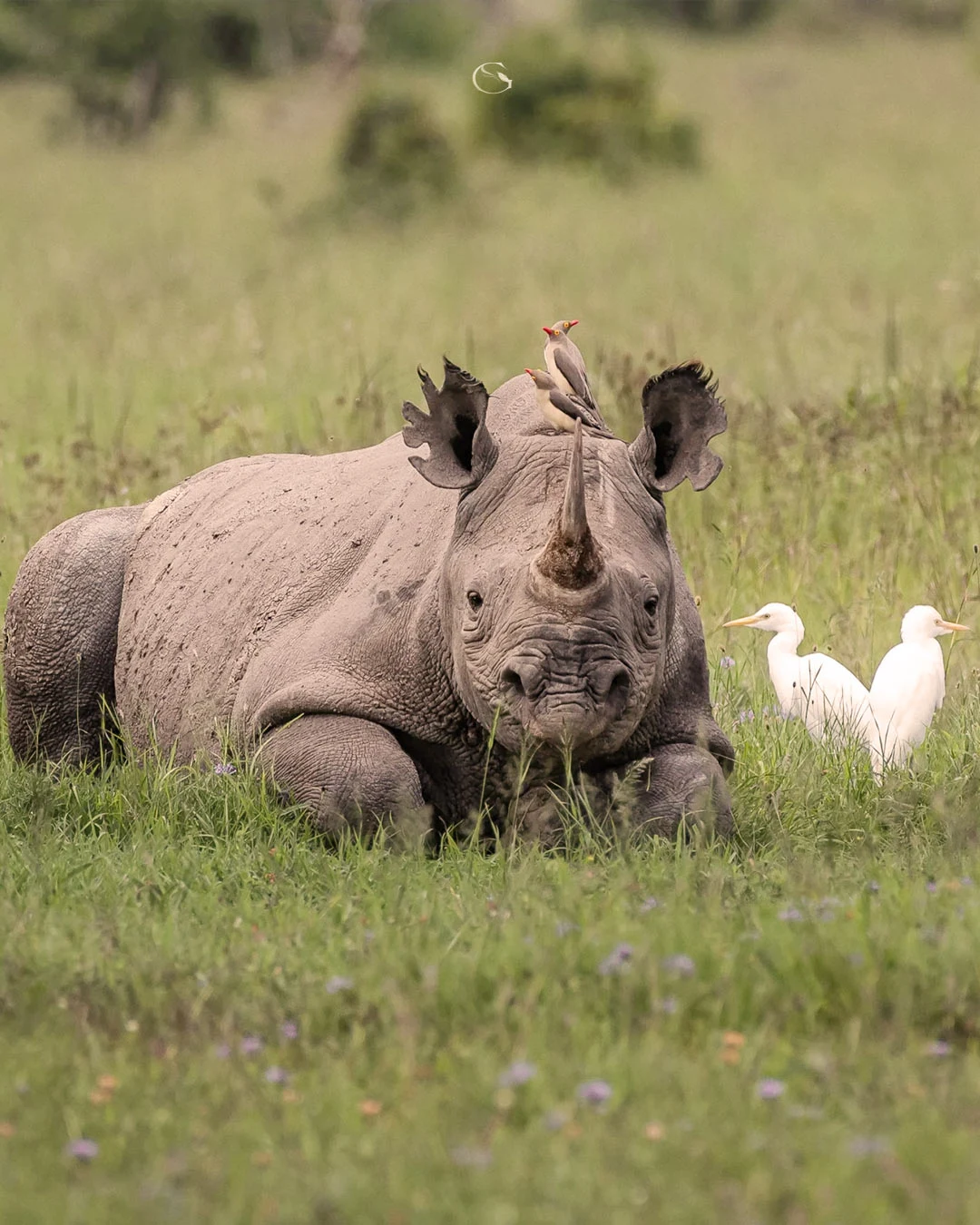
From refuge to donor
Ol Pejeta Conservancy
Research and Monitoring unit for rare Black Rhino and Chimps
Ol Pejeta began as Sweetwaters and took in its first 20 Black Rhino between 1989 and 1993. By the end of 2025 it was home to 240 Rhino, most of them Eastern Black, alongside Southern White and Najin and Fatu, the last two Northern White Rhino on Earth. With its population thriving, it now sends founders to new sanctuaries: six to Loisaba in January 2024 and nine to Segera in May 2025.
Fauna & Flora International bought the property in 2004. In 2007 the conservancy opened new land and brought in 28 more Black Rhino, in what Swara called East Africa’s largest Rhino translocation at the time. Eighteen months on, the resident Rhino had mostly kept to their old ground; one, Baraka, crossed into the new range and stayed.
- Founders
- 20 Black Rhino, 1989–1993 15 from Solio, 4 from Nairobi National Park, 1 from Lewa
- Owners
- Fauna & Flora International Since 2004
- Population, end of 2025
- 240 Rhino 185 Eastern Black · 53 Southern White · 2 Northern White
Ol Pejeta Conservancy
Ol Pejeta is also where BioRescue, a German-led research consortium, collects the eggs behind its 39 Northern White embryos, in its race to see a Northern White calf born.
Together with Lewa and Borana, whose joined landscape is the other source of Segera’s founders, Laikipia is where Kenya’s Rhino future is being decided.
Travel with the workSignature Guided Safaris® Journeys
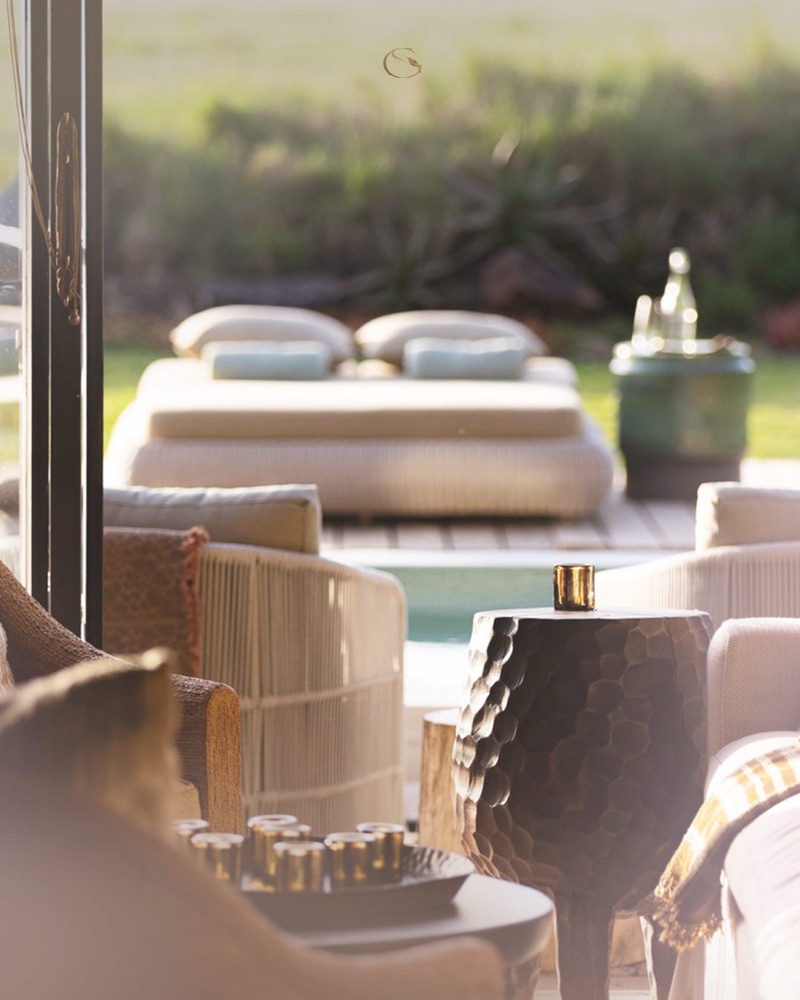
Segera Retreat
Stay in the private Laikipia reserve where Eastern Black Rhino came home in 2025, with Mount Kenya on the horizon.
The lodge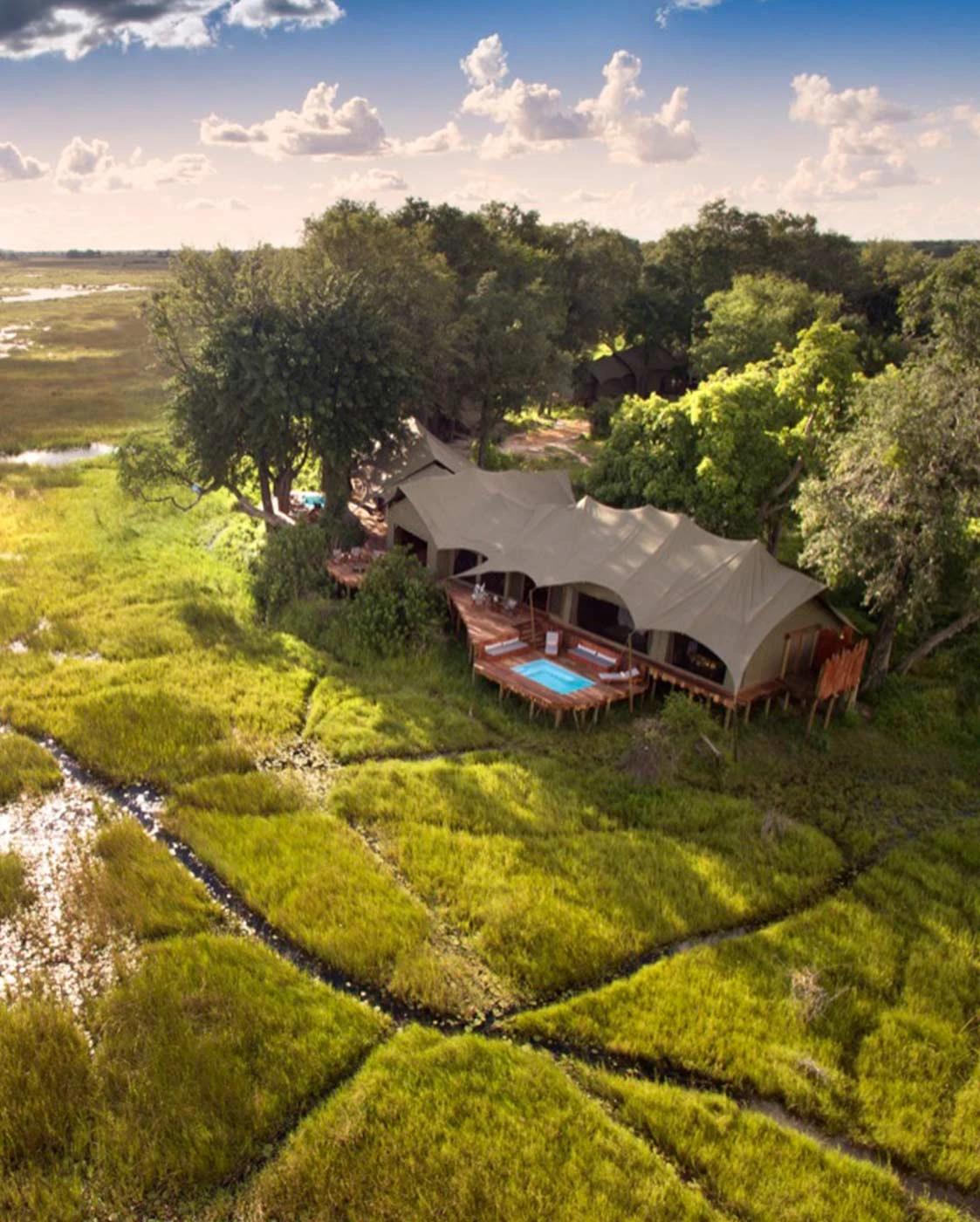
Duba Plains Camp
A Great Plains Conservation camp in the northern Okavango, with consistent sightings of Black Rhino and White Rhino.
The camp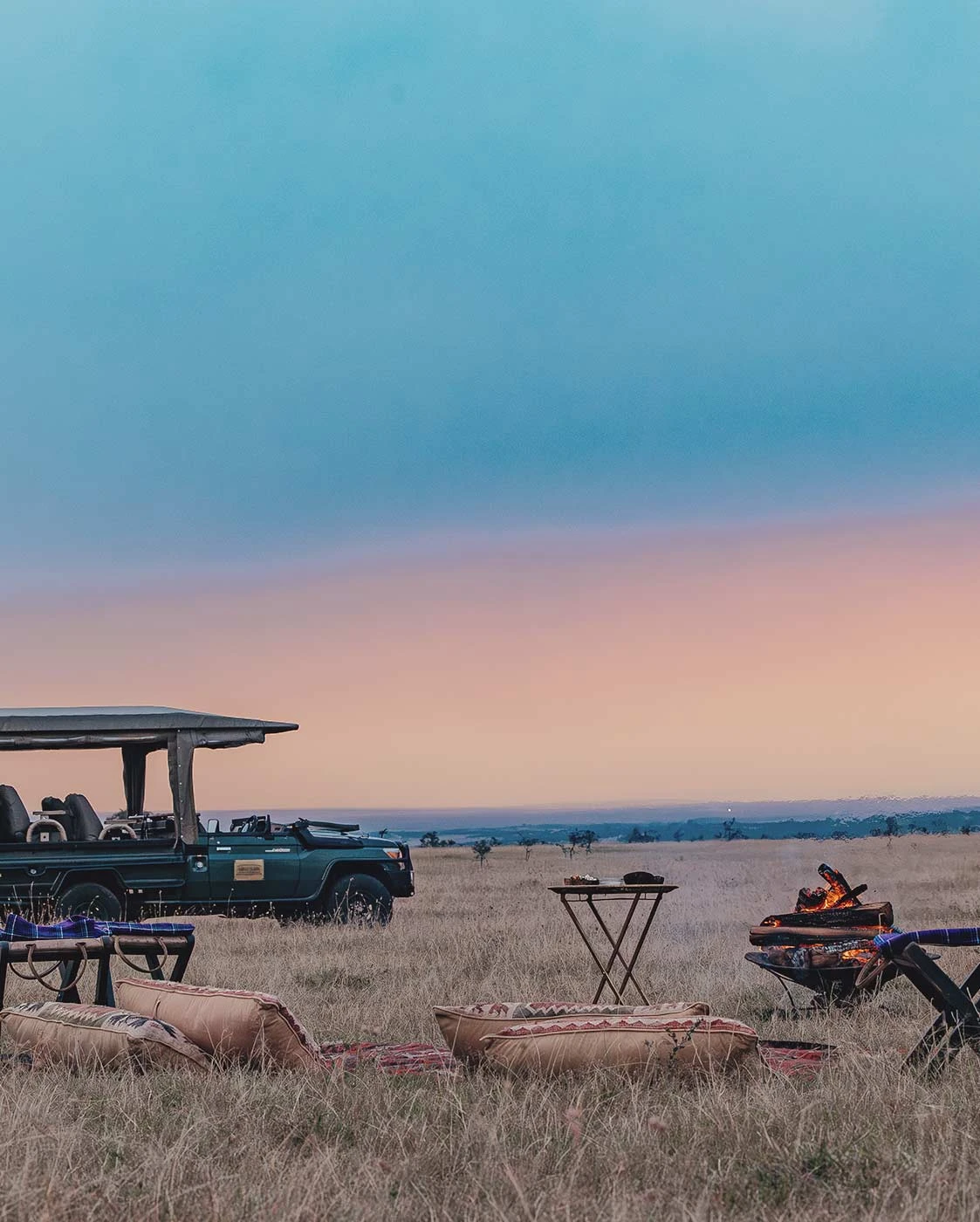
Private Kenya Safari
Kenya’s Rhino country in one exclusive itinerary, from Segera to Private Mara on a private guided journey.
View journeyThe partnersOn the ground
- Kenya Wildlife ServiceKenya
- ZEITZ foundation · SegeraLaikipia
- Ol Pejeta ConservancyLaikipia
- Lewa Wildlife ConservancyLaikipia
- Borana ConservancyLaikipia
- Fauna & FloraOl Pejeta
- Great Plains Conservation & FoundationBotswana
- Rhinos Without BordersBotswana
- BioRescueOl Pejeta
Working with travel partners and conservation projects in the field, the Guided Safaris® research lab teams share new ideas from across Africa that highlight key conservation efforts on ground. Staying in close contact throughout this supplier chain ensures that the whole network shares a responsible and innovative approach.
Next · Program II
Elephant
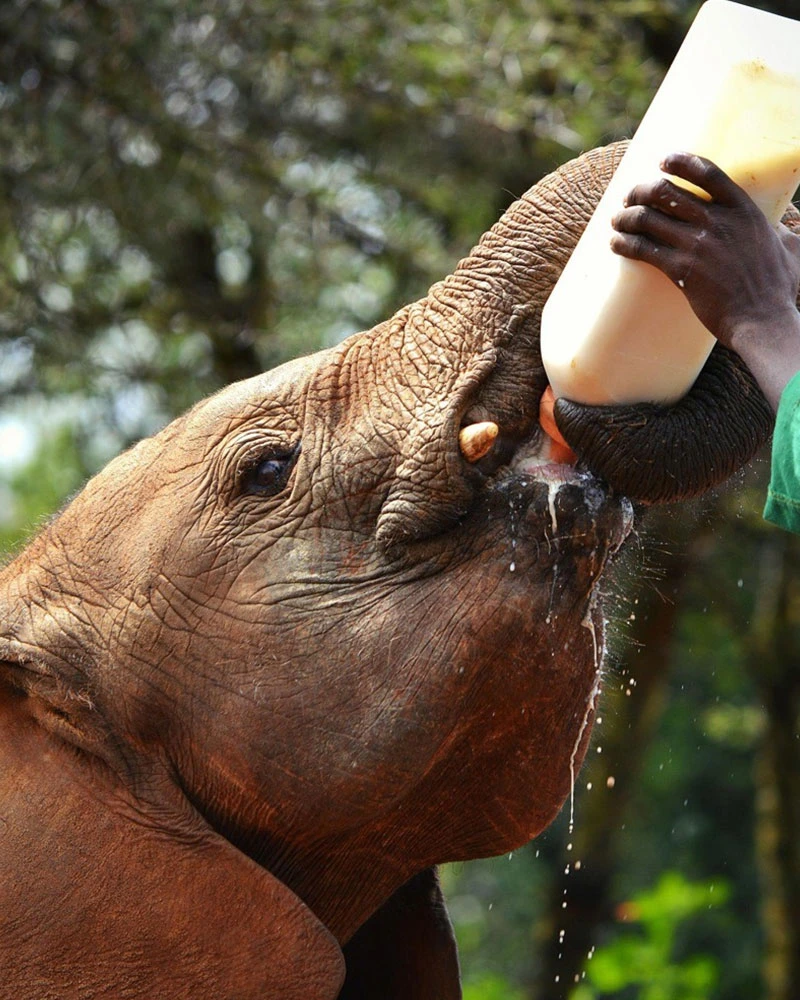
The Sheldrick Wildlife Trust rescues orphaned Elephants in Kenya and raises them until they can return to the wild.
Enter the program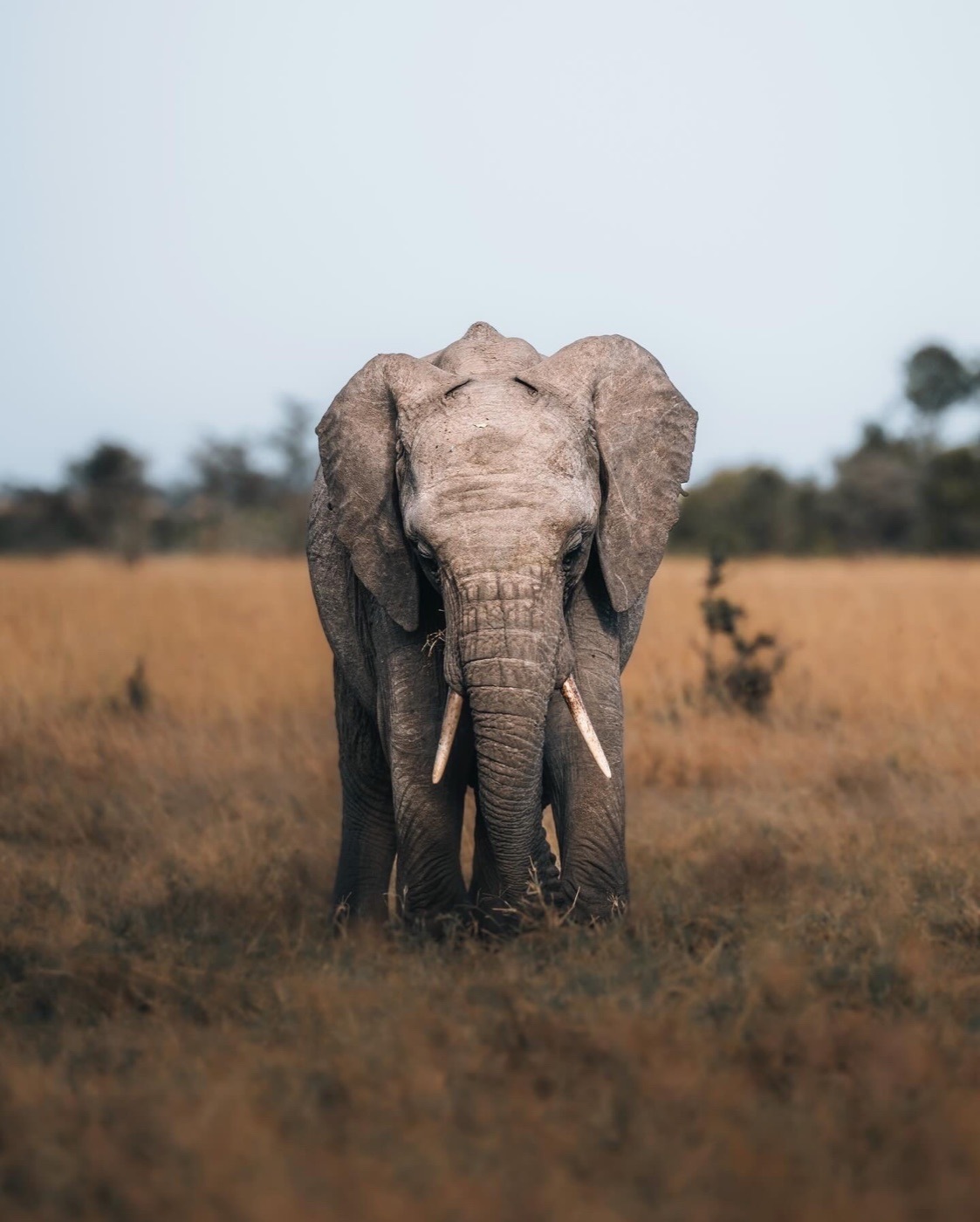
A Living Thread
Conservation at the heart of every journey
Over 30 years in Private African journeys.
Supporting key conservation initiatives across sub-Saharan Africa, Guided Safaris® journeys feature the continent’s finest private game reserves and award-winning eco-luxury camps and lodges that safeguard endangered wildlife through low-impact, sustainable travel.
We are honored to share our stories, safari craftsmanship and commitment to the African wilderness with you.
Discover Signature Journeys