
Program II · Elephant
Amboseli, Kenya · Kilimanjaro beyond
The lastbig tuskers
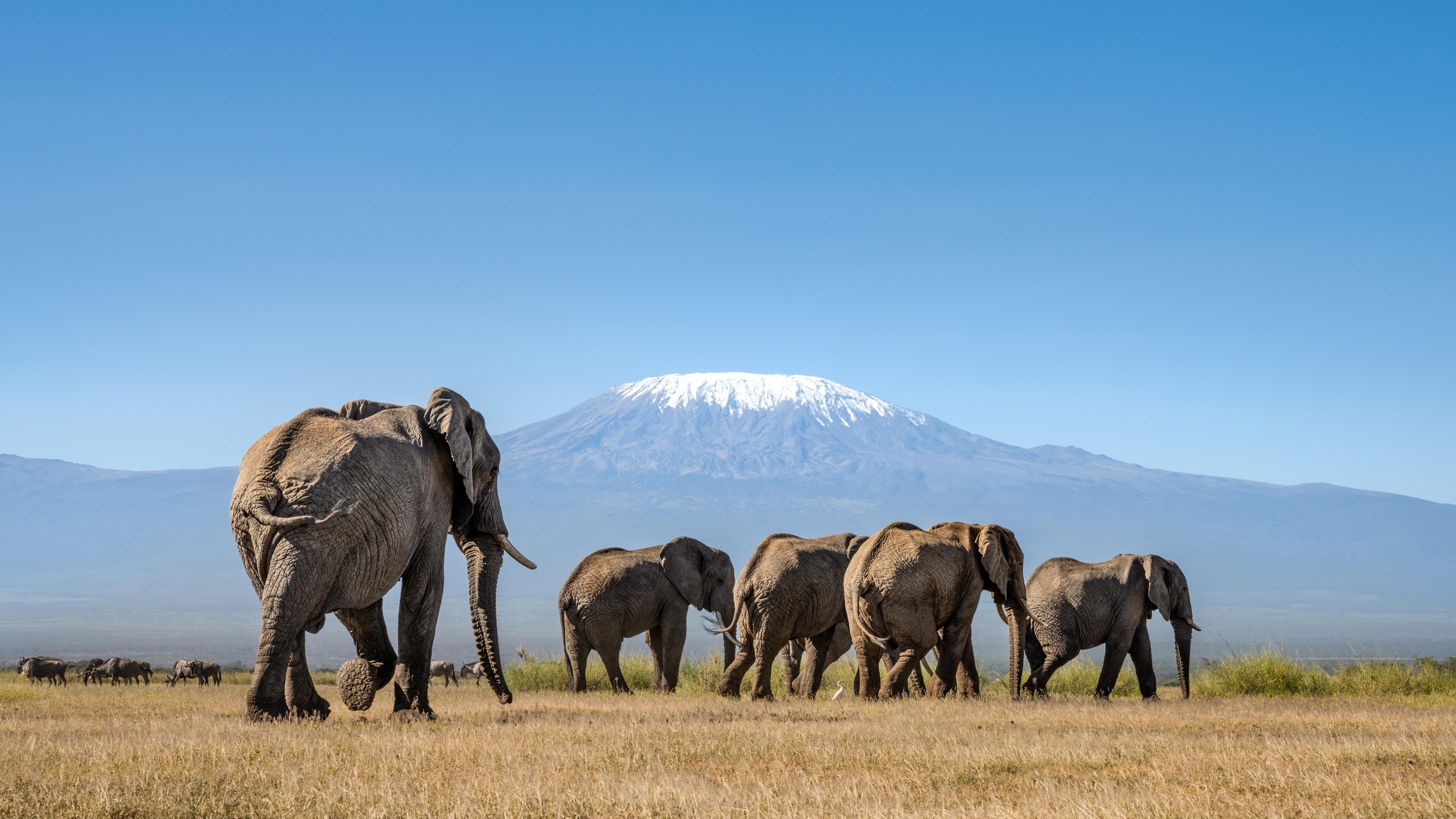
The Sheldrick Wildlife Trust protects Kenya’s Elephants with vets in the field, rangers and pilots who guard their habitats and keepers who raise orphaned calves until they can return to the wild. Beneath Kilimanjaro, researchers in Amboseli have followed the same Elephant families since 1972.
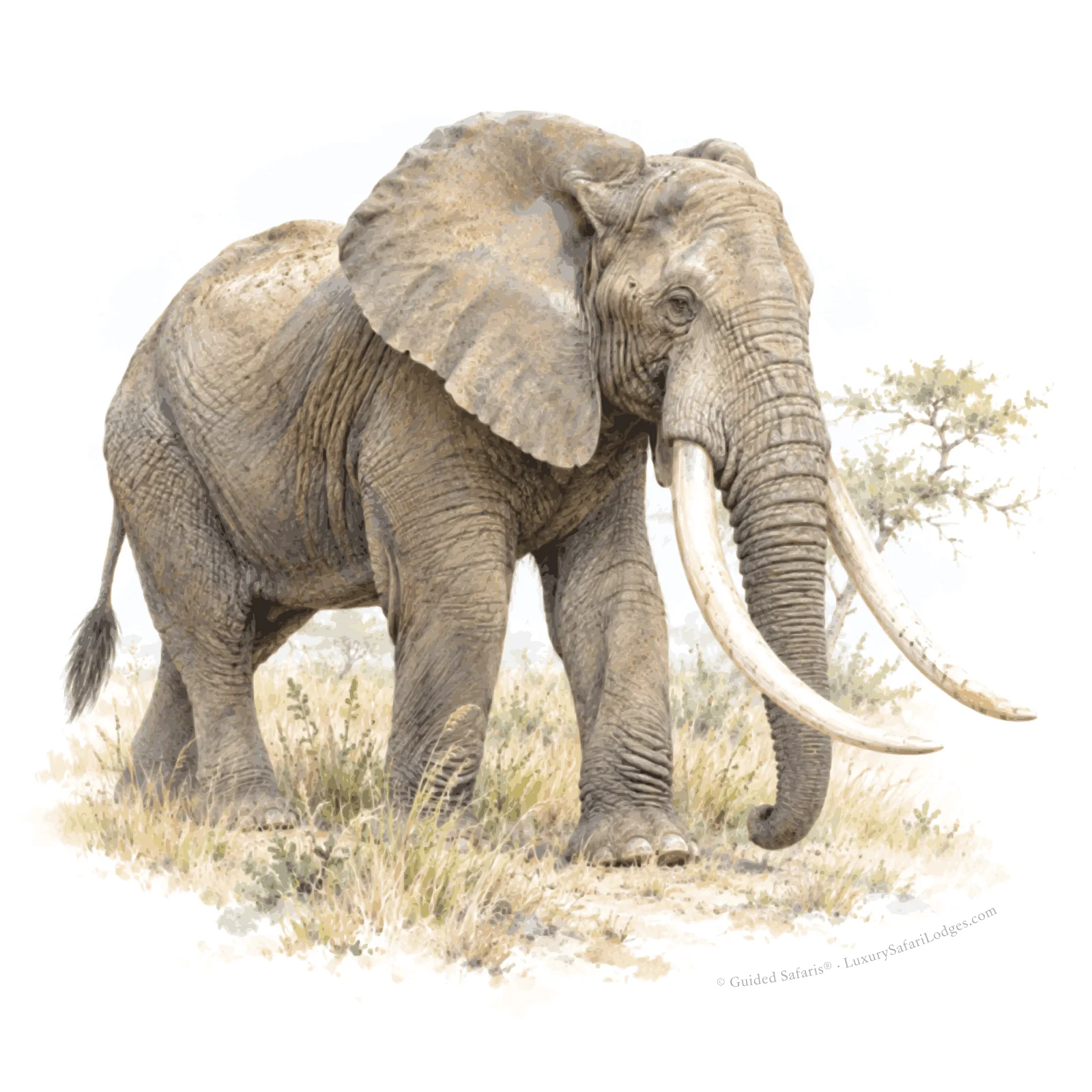
African Elephant
Status
Endangered
3 crucial projects
- Sheldrick Wildlife Trust
- Great Plains Foundation
- Big Life and Amboseli Trust
Les Racines du Ciel
It’s absolutely essential that man should manage to preserve something, that he should leave a margin, a sanctuary, where some of life’s beauty can take refuge.
II · i
Sheldrick Wildlife Trust
Nairobi · Tsavo · Kenya · since 1977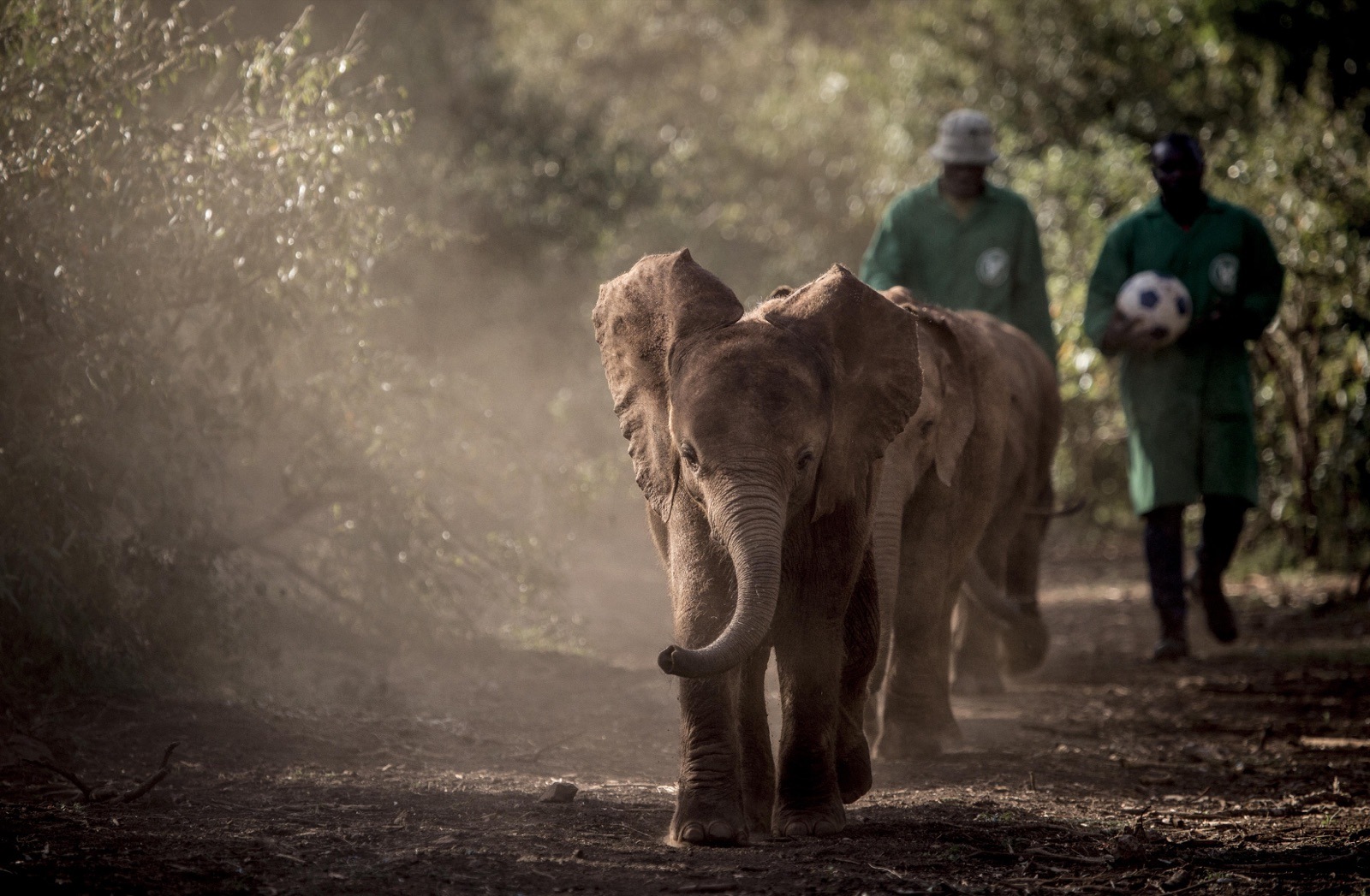
The orphans
The rescue we have supported longest
From the Nairobi nursery to the wild herds of Tsavo
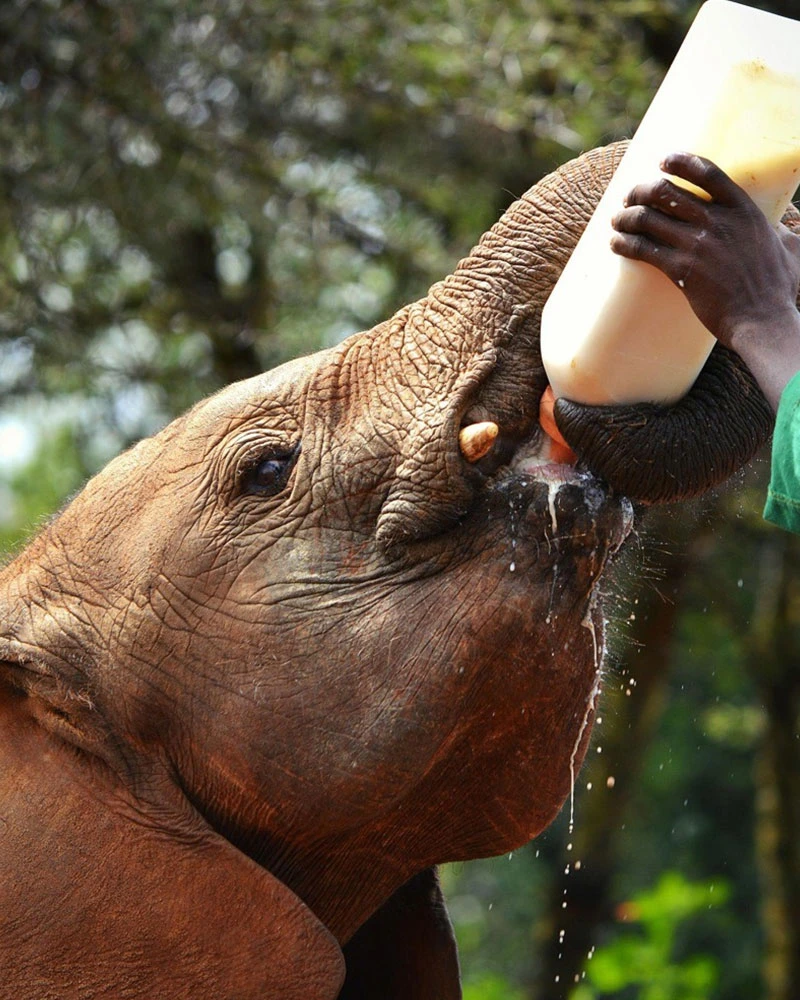
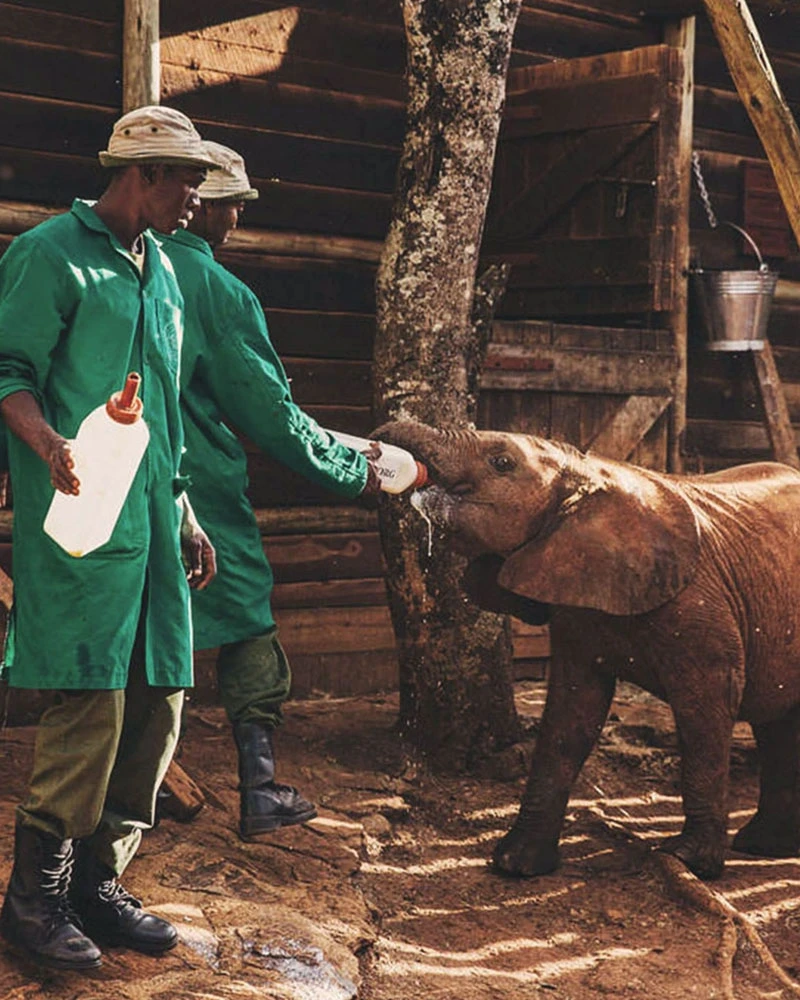
The Sheldrick Wildlife Trust, founded in 1977 by Dame Daphne Sheldrick, runs the orphan Elephant rescue and rehabilitation program that Guided Safaris® has supported since its own founding in 1995. Calves orphaned by poaching, drought and conflict are raised by keepers at the Nairobi nursery, then returned, over years, to the wild herds of Tsavo. One of the longest-running Elephant projects in Africa, it works hand in hand with the Kenya Wildlife Service.
The Trust’s seven mobile veterinary units, each led by a Kenya Wildlife Service vet, treat Elephants in the field across Kenya, from spear and arrow wounds to snares. Some calls take all day: when an Elephant is stuck in a drying waterhole or a calf falls into a well, rescuers work for hours with ropes and front-end loaders.
For more than 30 years, Guided Safaris® has supported the program through private donor visits in Nairobi, arranged with the Trust, where donors meet the orphaned calves up close and adopt them.
- Founded
- 1977, Nairobi, Kenya By Dame Daphne Sheldrick
- The work
- Orphan rescue, anti-poaching, vet care and reintegration into the wild
- In the field
- Mobile veterinary units with the Kenya Wildlife Service
- Our support
- Since the 1990s Private donor visits by special arrangement
The Sheldrick Trust
The Sheldrick Trust is best known for its orphans. The Sheldrick Trust calls its Orphans’ Project, which rescues, raises and rewilds orphaned Elephants and Rhino, the first and most successful Elephant orphan program in the world.
The orphans are only part of the work. Across Kenya the Sheldrick Trust runs anti-poaching teams, a dog unit and aircraft, and seven mobile veterinary units that have attended more than 4,000 Elephant cases, while it safeguards habitat and works with local communities. Around Amboseli the Sheldrick Trust helped bring Kimana Sanctuary under Big Life’s protection, and its vets answer when Big Life’s rangers call.
Sheldrick Wildlife Trust
Each elephant is a unique individual, just as are we, and each has its own unique personality.
II · ii
Great Plains Foundation
Kenya · Botswana · Zimbabwe · since 2006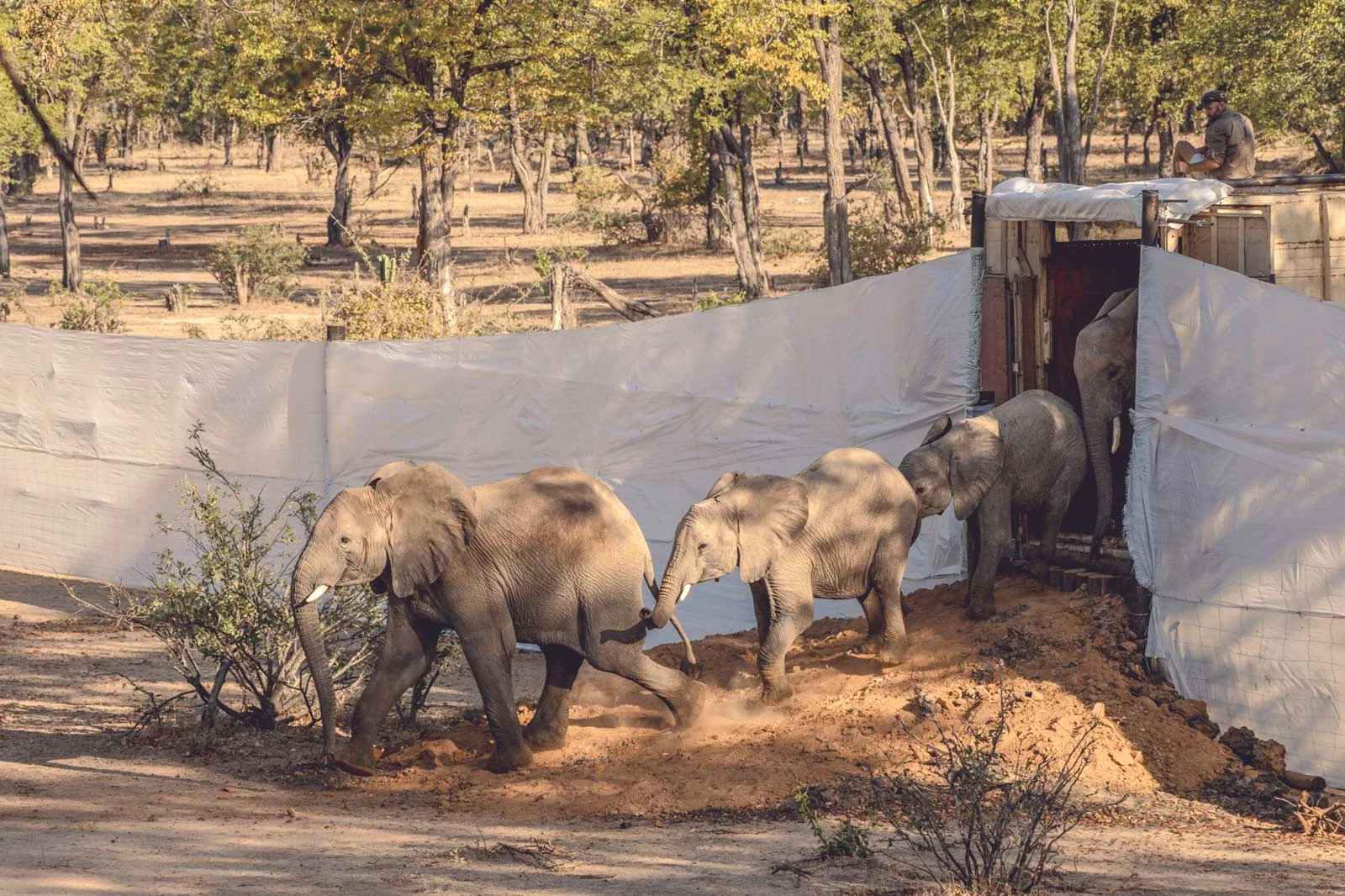
Room to roam
Land enough for Elephants
From the Chyulu Hills to the Okavango and the Zambezi Valley
Co-founded by the filmmakers and National Geographic Explorers Dereck and Beverly Joubert, Great Plains works across Kenya, Botswana and Zimbabwe. Great Plains leases land under threat, often beside national parks, so that the communities around it benefit from turning it over to conservation. That land includes the Chyulu Hills area of Kenya, where Great Plains protects big tuskers.
In 2022 Great Plains moved Elephant family herds into the Sapi Reserve in Zimbabwe’s Zambezi Valley, beside Mana Pools National Park at the heart of a UNESCO World Heritage Site. Each herd’s matriarch wears a satellite collar, and some herds now cross the Zambezi into Zambia’s Lower Zambezi National Park, where Conservation Lower Zambezi helps follow them. New calves are being born in their new home, and a ZimParks ecologist, Patmore Ngorima, is studying how the move has shaped the Elephants’ health and breeding.
In Botswana and Zimbabwe, Great Plains’ Wildlife Rangers, many of them women, follow Elephant herds, download collar data, survey wildlife and clear snares. Beside Hwange National Park, Great Plains is working with Zimbabwe’s government to reopen a migration corridor, so that Elephants can walk safely to water at Gwayi.
In Kenya, Great Plains works with Maasai communities across the Chyulu Hills, where the Tsavo and Amboseli ecosystems meet, and in Shompole, a corridor between Amboseli and the Maasai Mara, with school meals and conservation camps for their children.
- Founders
- Dereck and Beverly Joubert Filmmakers and National Geographic Explorers-at-Large
- In the field
- Kenya, Botswana and Zimbabwe Protected land, often beside national parks
- Elephants moved
- Family herds into the Sapi Reserve, Zimbabwe Each followed by satellite collar
- Cost per Elephant
- $10,000 Moved within Zimbabwe, with at least two years of monitoring
- Rangers
- Wildlife Rangers, many of them women Botswana and Zimbabwe
Rewilding Elephants
Great Plains gives Elephants room where they need it, moving family herds to protected land and following them for years by satellite collar. The Sapi move was its first large Elephant translocation, and it is now mapping Elephant ranges to find where herds can be returned on a far larger scale.
Through Project Ranger, Great Plains also funds ranger teams across Africa, among them the Bumi Hills Anti-Poaching Unit on Lake Kariba, which has kept the Elephants there safe from poachers for years.
Great Plains Foundation
We realize that we have tapped in to that ancient heartbeat of the elephant. And we definitely know that when we spend time with elephants, we come away somehow better.
II · iii
Big Life and Amboseli Trust
Amboseli · Chyulu Hills · Kenya · since 1972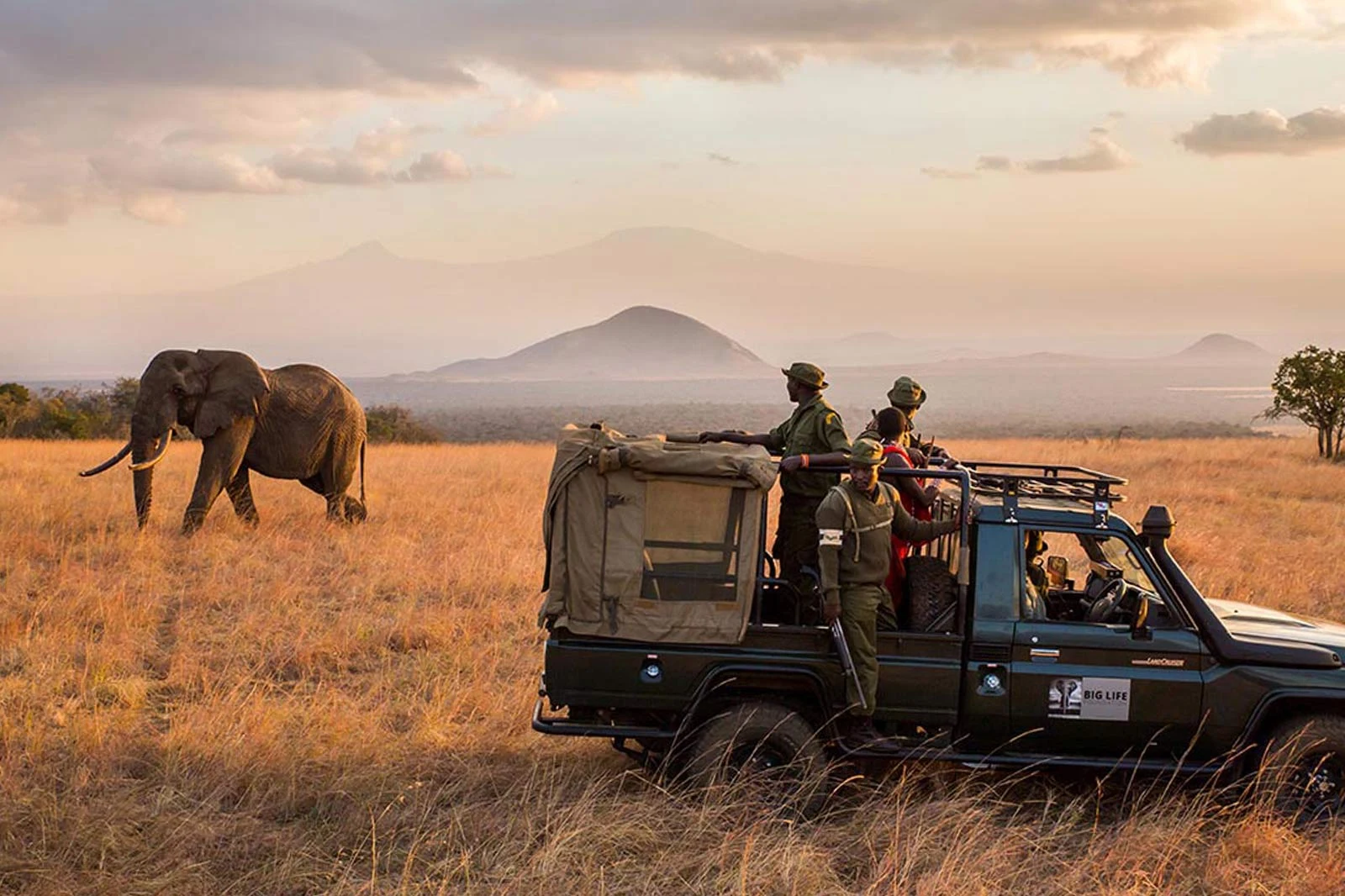
Rangers on Maasai land
Most of an Elephant’s life is outside the park
Big Life’s rangers and the Amboseli Trust’s research
National parks cover only about 5% of the Greater Amboseli Ecosystem, and each year most of Amboseli National Park’s animals walk out onto the Maasai ranches around it. Big Life Foundation works there, and its 392 rangers, the great majority of them from the ecosystem itself, patrol about two million acres, most of it community land, and Big Life holds the head lease on Kimana Sanctuary, which belongs to 844 Maasai family members and is a refuge for the ecosystem’s great bulls. In the Chyulu Hills, Great Plains and its Foundation work with the same communities, through conservation leases and their sponsorship of the Maasai Olympics, where young warriors win their standing in sport rather than by hunting Lions.
Four of Amboseli’s most famous tuskers have died since 2020: Tim in February 2020, Tolstoy in April 2022, Craig in January 2026 and One Ton in July 2026. The Maasai called One Ton Mpole, the gentle one. Richard Bonham, Big Life’s co-founder, had known him for about 30 years. Twice, he wrote, the bull came to Big Life with wounds that would have killed him, and both times the Sheldrick Trust’s and the Kenya Wildlife Service’s vets treated him: “I am certain he came looking for help.”
Since late June 2026, 20 Elephants have died in the ecosystem, by late-September reporting. Preliminary tests pointed to cyanide. The Kenya Wildlife Service’s working theory is exposure to pesticides sprayed on nearby tomato farms, possibly by accident, while David Western of the African Conservation Centre has proposed a grass that produces cyanogenic poison when heavily grazed. No final report had been published by mid-October 2026, when this article was published.
- Founded
- 2010, by photographer Nick Brandt and conservationist Richard Bonham Building on Bonham’s work since the early 1990s
- Impact
- Every Elephant known individually and kept safe on Maasai land The Amboseli Trust’s research and Big Life’s rangers
- Patrols
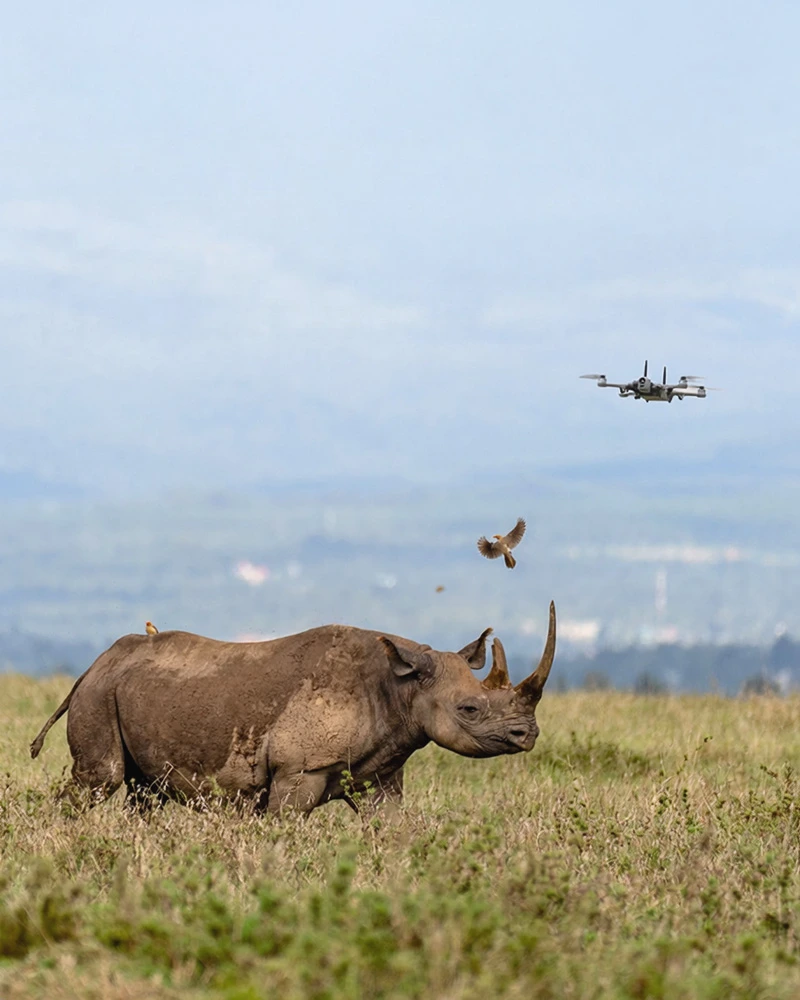
- Big Life rangers on foot, by vehicle and from the air With tracker dogs and drones, alongside KWS
- Tuskers lost
- Tim, · Ulysses, · Tolstoy, · Craig, · One Ton,
- Partners
- The Kenya Wildlife Service, the Amboseli Trust for Elephants and the Sheldrick Wildlife Trust Rangers, research and vets working as one
- Recognition
- Prince William Award for Conservation in Africa, 2014 Tusk Conservation Awards in London
Protecting African Elephant
In 1968 Cynthia Moss moved from New York to study Elephants with Iain Douglas-Hamilton at Tanzania’s Lake Manyara. Four years later she and Harvey Croze chose Amboseli, and the study they began in 1972 is now the longest-running study of wild Elephants ever undertaken. Every Elephant is known by name or number and by photograph, more than 4,000 of them across five decades.
The Amboseli Trust for Elephants keeps that record, and Big Life, after more than 30 years with the Maasai communities, keeps the Elephants safe on their land. The Trust’s scouts and researchers report injured Elephants to Big Life’s rangers and the vets, and in 2026 the Trust led the collaring of seven females from families that range onto community land, with Big Life’s plane overhead.
Save the Elephants
That was a very special elephant for me.
She eventually brought her babies up to meet me.
Travel with the workSignature Guided Safaris® Journeys
Private Kenya Safari
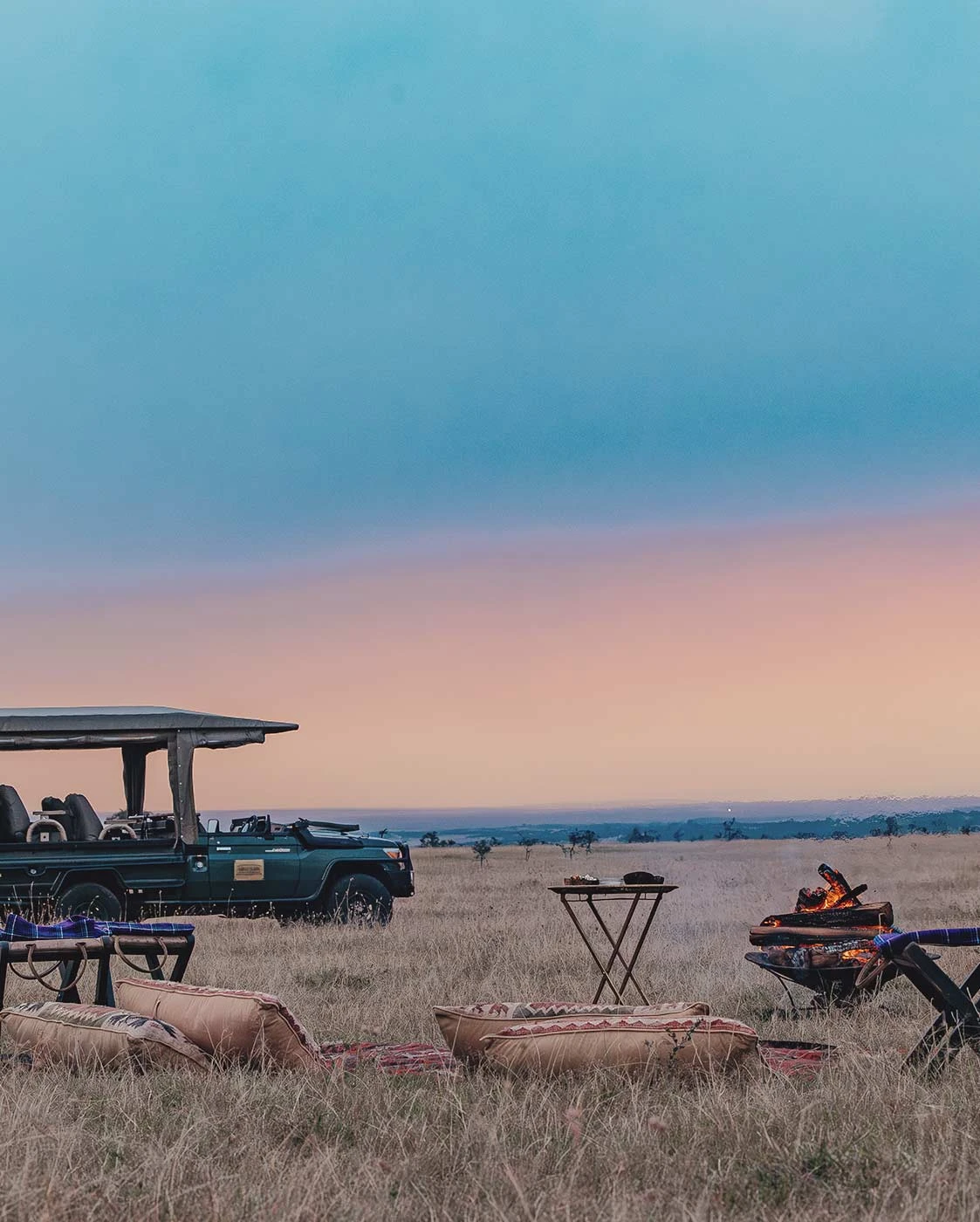
Kenya’s Elephant country in one exclusive itinerary, from Segera to Private Mara, with a private donor Sheldrick visit, by request.
View journey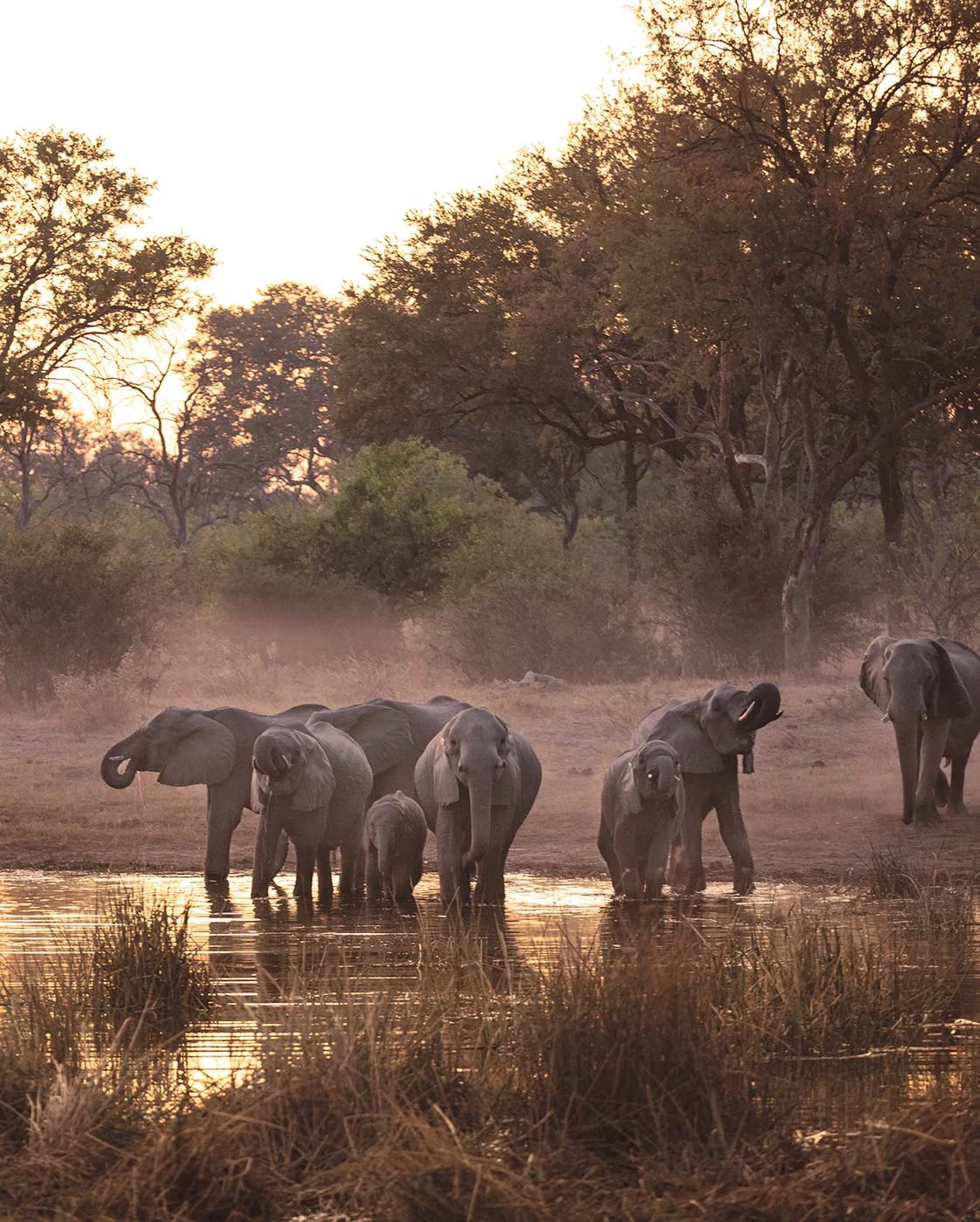
Private Africa Safari
From Gorillas to the Big Game country of Segera, Private Mara and Mombo, on an exclusive Private Jet Safari.
View journeyThe partnersOn the ground
- Sheldrick Wildlife TrustNairobi · Tsavo
- Big Life FoundationAmboseli
- Amboseli Trust for ElephantsAmboseli
- Kenya Wildlife ServiceKenya
- Great Plains FoundationChyulu Hills
Working with travel partners and conservation projects in the field, the Guided Safaris® research lab teams share new ideas from across Africa that highlight key conservation efforts on ground. Staying in close contact throughout this supplier chain ensures that the whole network shares a responsible and innovative approach.
Next · Program III
Big Cat
The Great Plains Foundation’s Big Cats Initiative secures land for Lions, Leopards and Cheetahs beyond Africa’s national parks.
Enter the program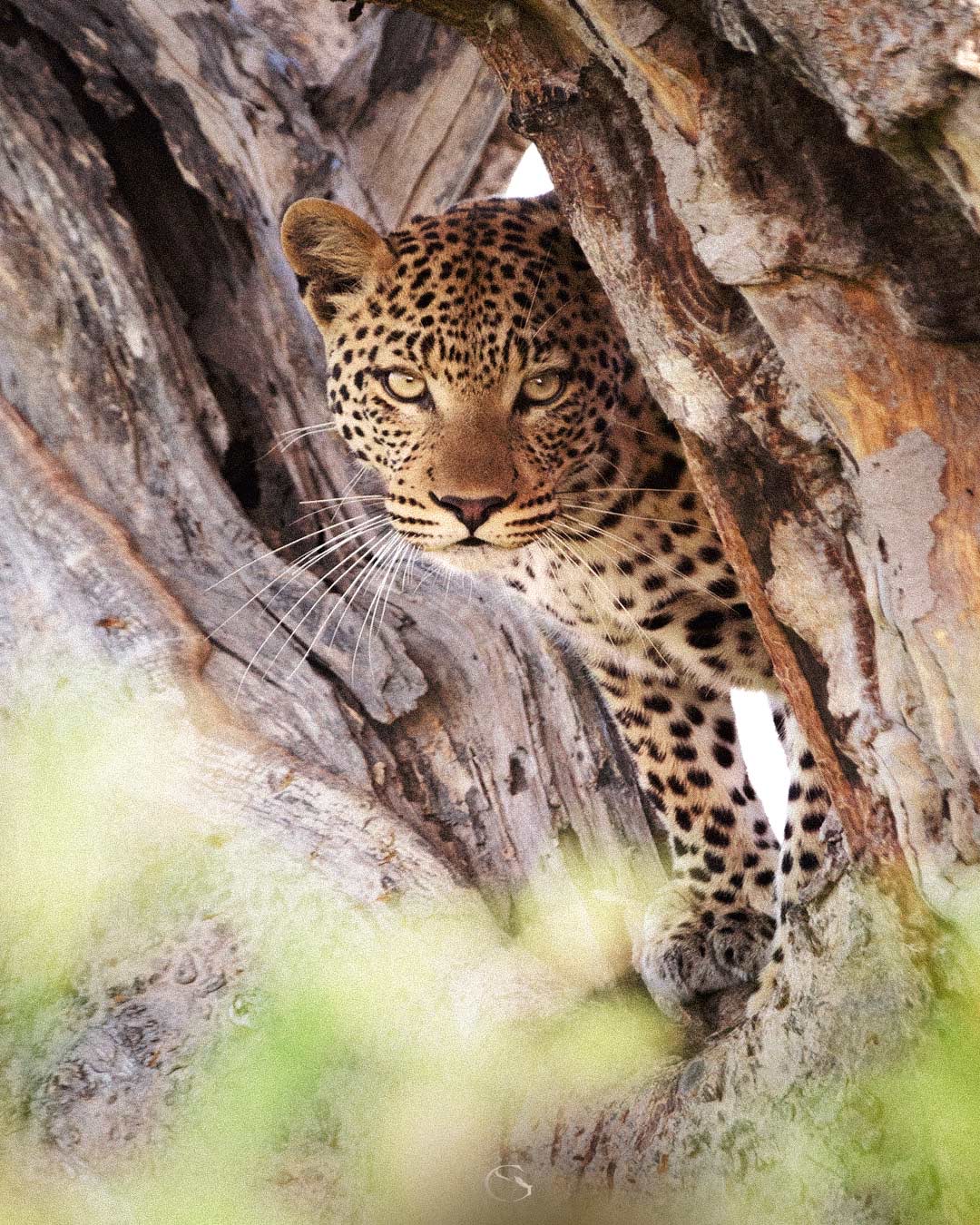
A Living Thread
Conservation at the heart of every journey
Over 30 years in Private African journeys.
Supporting key conservation initiatives across sub-Saharan Africa, Guided Safaris® journeys feature the continent’s finest private game reserves and award-winning eco-luxury camps and lodges that safeguard endangered wildlife through low-impact, sustainable travel.
We are honored to share our stories, safari craftsmanship and commitment to the African wilderness with you.
Discover Signature Journeys